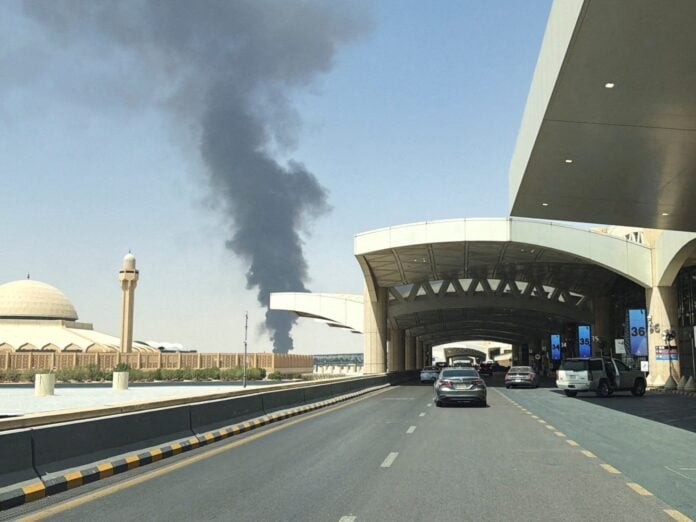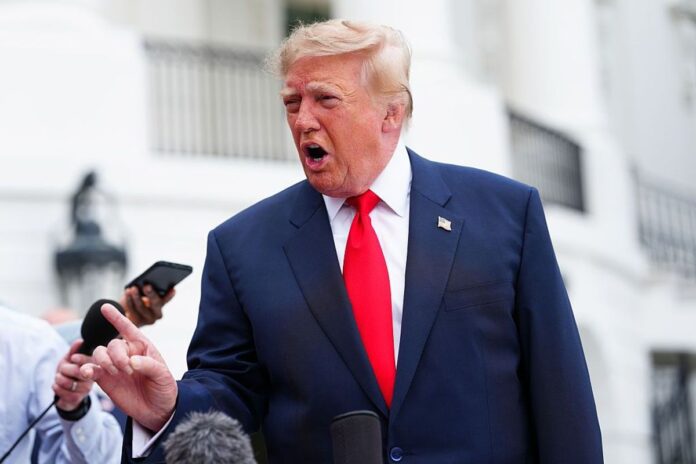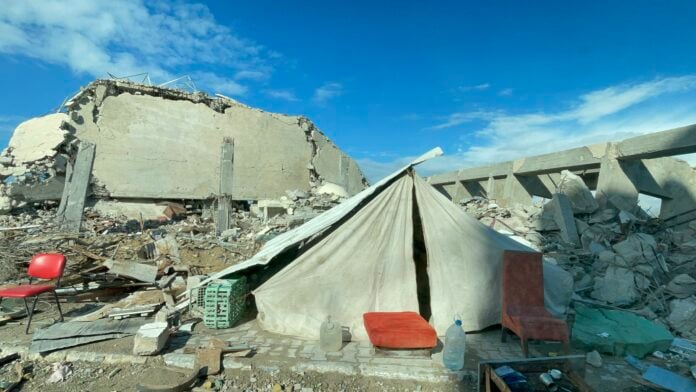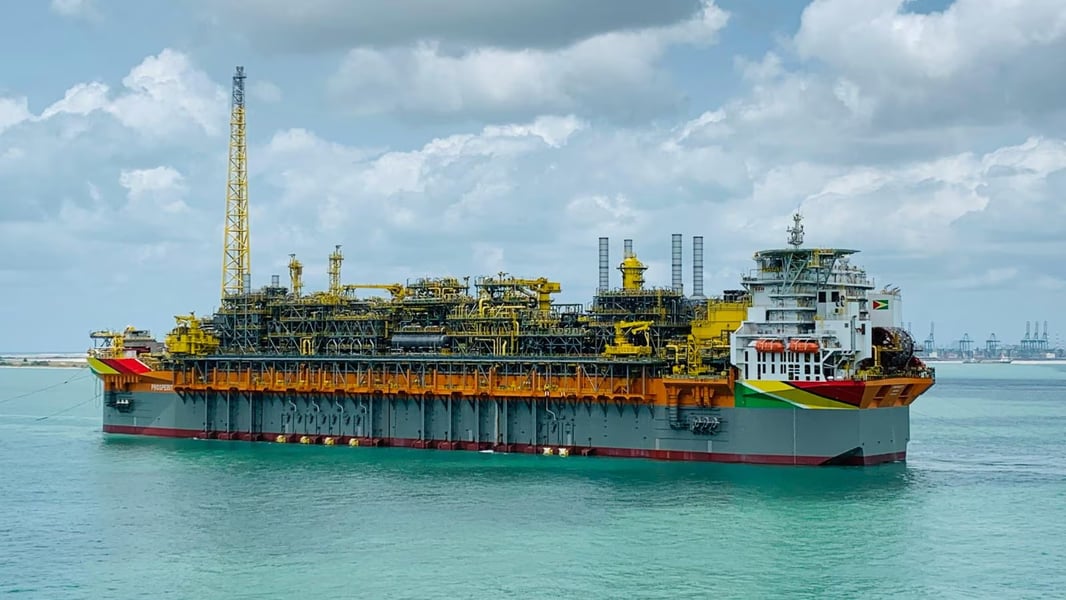

As Israeli strikes on Iranian energy infrastructure intensify, the global economy is absorbing the shockwaves of a conflict that is no longer confined to the Middle East. What began as a military escalation has evolved into a full-spectrum economic crisis, one that is driving up energy prices, disrupting supply chains, and threatening to push tens of millions back into poverty.
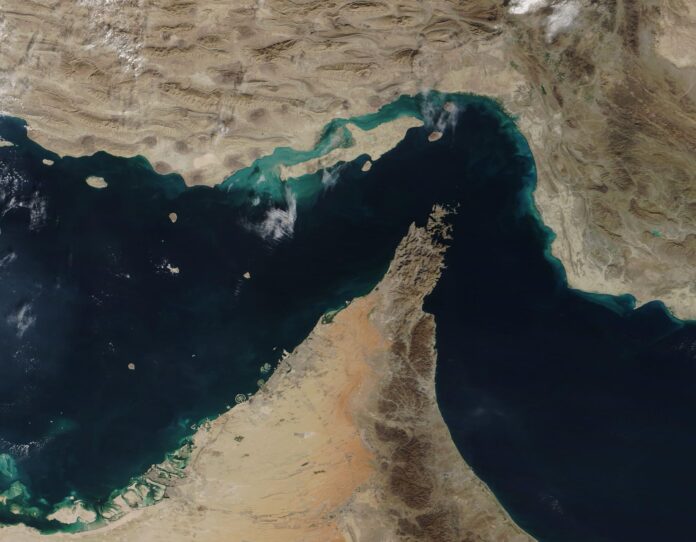
Nearly two months into the war, analysts say the scale of disruption now rivals the most severe energy crises in modern history. The conflict has destabilized oil and gas flows through the Strait of Hormuz, a narrow waterway that carries roughly 20 percent of the world’s energy supply, making it one of the most strategically critical choke points in global trade. Recent estimates suggest the disruption has already removed more than 11 percent of global oil supply at peak levels, underscoring the severity of the crisis. :contentReference[oaicite:0]{index=0}
The consequences are already visible across continents.
A global energy system under strain
Energy markets have entered a period of extreme volatility, with oil prices swinging sharply amid fears of prolonged disruption. Analysts now warn that the world has entered what some describe as a new era of repeated energy crises driven by geopolitical instability.
Recent strikes, including attacks on critical Iranian gas infrastructure, have directly impacted production capacity, triggering immediate price spikes and forcing countries to scramble for alternative sources.
Shipping disruptions have compounded the crisis. Tankers navigating the Persian Gulf face heightened risks, insurance costs have surged, and logistical delays are cascading across industries. As shipping disruptions have compounded the crisis, maritime trade has become increasingly uncertain, with seizures and blockades raising fears of prolonged supply constraints.
“This is no longer just an energy story,” one analyst noted. “It’s a systemic shock to the global economy.”
Inflation returns with force
The economic fallout is being felt far beyond energy markets. Rising fuel prices are feeding into broader inflation, increasing the cost of manufacturing, transportation, and basic consumer goods.
As inflation returns with force, businesses and consumers alike are bracing for sustained price pressures, with early indicators pointing to a renewed cycle of global inflation.
Recent data suggest the war is already pushing up production costs and weakening economic activity across major economies. Markets have reacted sharply, with volatility increasing as investors reassess global growth prospects.
The Global South bears the brunt
From South Asia to North Africa, rising fuel costs are translating into higher food prices and reduced purchasing power. Countries heavily dependent on energy imports are particularly vulnerable, with governments struggling to manage subsidy burdens and fiscal deficits.
As the poorest populations are hit hardest, humanitarian agencies warn that more than 30 million people could be pushed back into poverty due to disruptions in fuel and fertilizer supplies.
Food systems are also under threat. The disruption of shipping routes through the Strait of Hormuz is affecting fertilizer exports, raising concerns about agricultural output and future food security.
In practical terms, this means households are paying more not only for fuel, but also for essential goods, from bread to medicine.
A crisis of everyday life
One of the less visible but deeply consequential effects of the war is the rising cost of healthcare and basic commodities. Supply chain disruptions are driving up the price of pharmaceuticals and essential health products, placing additional strain on already stretched systems.
For millions, the crisis is not measured in macroeconomic indicators, but in daily survival.
Global markets are absorbing the shockwaves
While much of the world faces economic strain, some actors are emerging as relative beneficiaries. Energy exporters outside the conflict zone are seeing increased demand and higher revenues, while certain sectors are capitalizing on market volatility.
At the same time, the war is accelerating a broader fragmentation of the global economy, with trade routes being reconfigured and alliances shifting in response to the crisis.
The road ahead
Even if hostilities were to ease, the economic consequences are expected to linger. Energy infrastructure damage, disrupted supply chains, and geopolitical uncertainty will continue to weigh on global growth.
Analysts warn that even a ceasefire may not restore normal energy flows, as control over key chokepoints like the Strait of Hormuz remains contested.
For now, the world is entering what experts describe as an age of recurring energy shocks, where geopolitical conflict and economic disruption are increasingly intertwined.
And at the center of it all lies a war whose consequences extend far beyond the battlefield, reshaping economies, redefining global power, and altering the lives of millions.