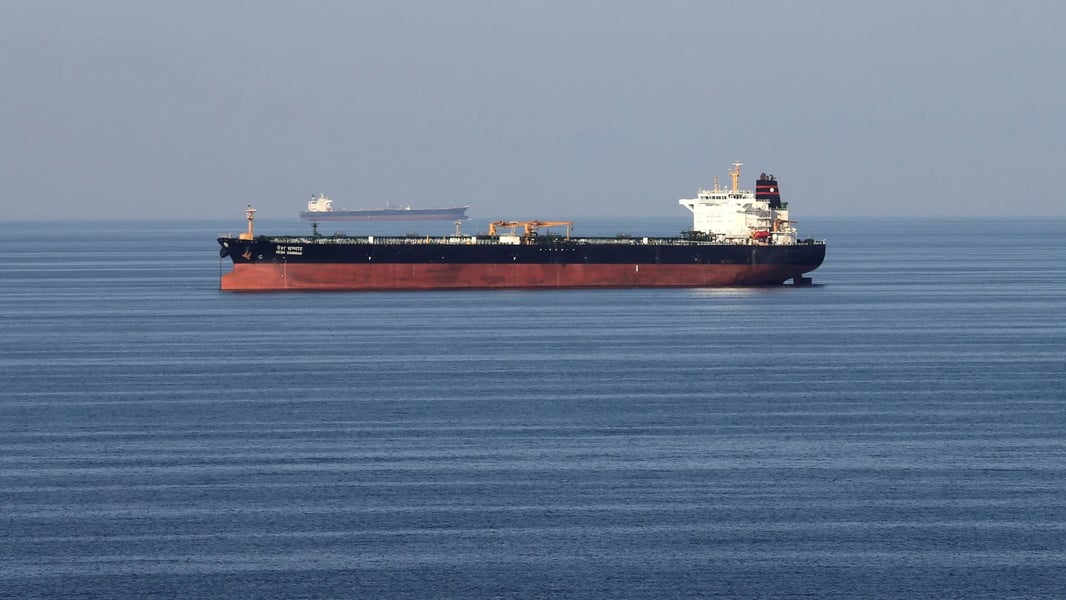

WASHINGTON/TEHRAN — A fragile ceasefire between Iran and the United States appeared increasingly unstable on Friday after Tehran accused Washington of launching fresh military strikes near the Strait of Hormuz, intensifying fears that the widening conflict could drag the Middle East into a deeper regional war.
Iranian Foreign Minister Abbas Araghchi accused the US of choosing a “reckless military adventure” instead of diplomacy, warning that Tehran would not surrender under pressure as military confrontations continued across one of the world’s most strategic waterways.
The latest escalation comes as the Israel attacks Iran conflict enters a volatile new phase marked by naval clashes, missile interceptions, and mounting uncertainty over international shipping lanes in the Gulf.
According to Iranian military officials, US forces targeted vessels near the Strait of Hormuz and carried out strikes along coastal regions close to Bandar Khamir and Qeshm Island. Tehran described the attacks as a direct violation of ongoing ceasefire negotiations and accused Washington of undermining efforts toward a diplomatic settlement.
Reuters reported that Iran accuses US of violating ceasefire after strikes near the strategic shipping corridor threatened to derail negotiations aimed at ending months of military confrontation.
The White House, however, defended the military response as necessary after what US Central Command described as Iranian attacks involving drones, missiles, and fast-moving boats targeting American naval destroyers operating in Gulf waters.
US officials said the operation involved retaliatory strikes against Iran following what Washington called an “unprovoked attack” on US naval assets.
President Donald Trump insisted the ceasefire still holds, despite renewed exchanges of fire and escalating rhetoric from both sides.
The confrontation has placed renewed attention on the Strait of Hormuz crisis, a chokepoint through which nearly one-fifth of the world’s oil and liquefied natural gas supplies pass each day.
Analysts say the latest fighting risks triggering a broader widening regional conflict involving Gulf states already struggling to contain the fallout from months of instability.
Oil traders reacted nervously after reports of renewed military activity in Gulf waters, reviving concerns over a potential disruption to global energy supplies. Reuters described growing global oil market fears linked to the worsening security situation around Hormuz.
The UAE said its air defense systems intercepted ballistic missiles and drones launched from Iranian territory overnight, underscoring how Gulf allies are increasingly being drawn into the confrontation.
Military officials in Tehran argued that the latest attacks reflected a dangerous strategic miscalculation by Washington and its allies, warning that continued pressure could destabilize the entire region.
The crisis has also intensified scrutiny of the expanding US blockade strategy aimed at restricting Iranian shipping and forcing Tehran into accepting US-backed terms for ending the war.
Al Jazeera reported that negotiations remain centered around a proposed diplomatic proposal to end the war, though Iranian leaders continue rejecting demands tied to military restrictions and maritime controls.
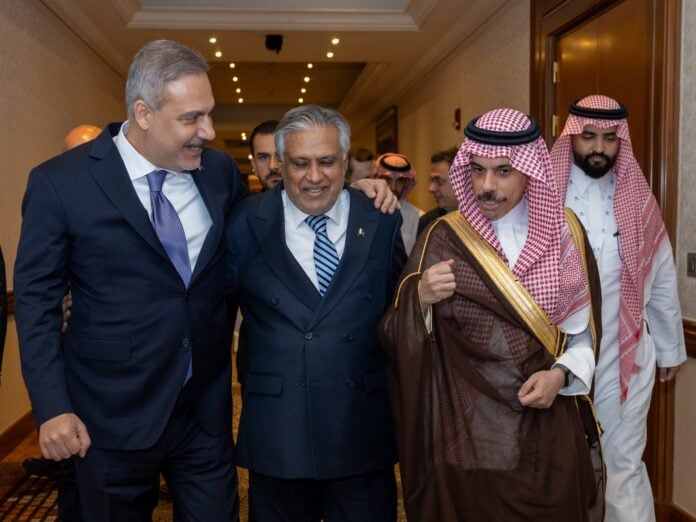
Diplomats across the region fear that the latest exchange of fire in the Strait of Hormuz could collapse ongoing mediation efforts led by regional powers seeking to prevent a wider war.
The renewed fighting also comes amid growing international criticism over the role of Israel in expanding regional tensions. Tehran has repeatedly argued that Israeli military operations and US support have transformed the conflict into a prolonged regional crisis with global economic consequences.
The Trump ceasefire initiative, once presented as a pathway toward de-escalation, now appears increasingly fragile as both sides accuse each other of violating understandings reached earlier this year.
Meanwhile, reports of fresh military incidents continued to emerge Friday. Iranian authorities said a cargo vessel near Minab caught fire after being struck in nearby waters, injuring several sailors and raising further concerns over maritime security.
Regional analysts say the intensifying Hormuz tensions are rapidly reshaping global trade calculations as shipping companies, insurers, and energy markets prepare for the possibility of a prolonged confrontation.
Despite diplomatic outreach by intermediaries in the Gulf and South Asia, military activity has continued across multiple fronts, with Washington and Tehran each accusing the other of provoking further escalation.
Reuters reported ongoing incidents in which US and Iran exchange fire while negotiations over a broader settlement remain unresolved.
For now, the Strait of Hormuz remains at the center of a dangerous geopolitical standoff whose consequences extend far beyond the Gulf, threatening global energy flows, regional stability, and already fragile diplomatic channels between Tehran and Washington.