
The United States earned nearly $23 billion from oil and petroleum product exports in March alone as the escalating tensions in the Middle East disrupted global energy flows and sent crude prices sharply higher.
The figures, compiled from the US statistical service and reviewed by RIA Novosti, show how Washington’s energy sector experienced a major financial windfall during one of the most volatile periods in the region in recent years. The surge came after military strikes launched by the US and Israel against Iranian targets on February 28 triggered a broader regional crisis that shook global energy markets.
US crude oil exports climbed by 35 percent in March, reaching $10.7 billion compared with $7.9 billion in February. Exports of petroleum products surged even more dramatically, rising roughly 50 percent month over month to $12.4 billion from $8.2 billion.
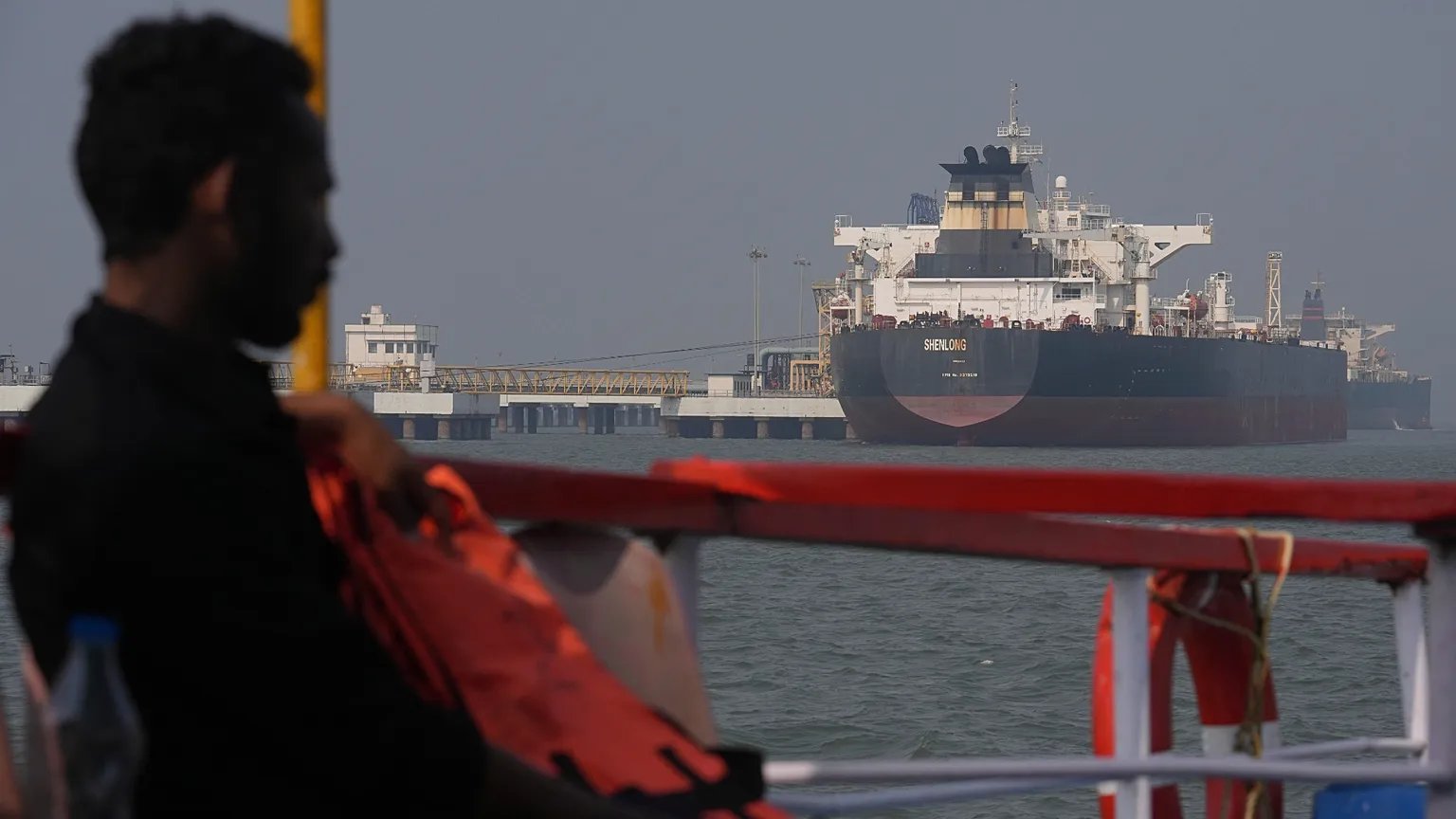
The sharp increase coincided with mounting instability around the Strait of Hormuz, the strategic maritime corridor through which nearly a fifth of the world’s oil supply typically passes. As shipping routes across the Persian Gulf slowed and insurance costs for tankers skyrocketed, countries dependent on Gulf energy supplies turned increasingly toward American fuel exports.
The latest surge in US energy exports comes as global markets remain shaken by escalating tensions in the Middle East and mounting fears over the future of Hormuz.
Trade figures show that European and Asian economies accounted for the bulk of American fuel purchases during the crisis. The Netherlands emerged as the largest buyer of US oil and fuel products in March, importing approximately $3.2 billion worth of supplies. Mexico followed with $2.4 billion, while South Korea imported $2.2 billion. Canada purchased around $2 billion in American fuel exports, and the United Kingdom imported roughly $1.2 billion.
The data highlights how quickly global energy trade patterns shifted after the conflict disrupted traditional supply chains from the Gulf region. Analysts say many governments and energy firms scrambled to secure alternative suppliers as fears mounted that the Strait of Hormuz could remain partially blocked for months.
The conflict began after US and Israeli forces carried out coordinated strikes on Iranian facilities on February 28, causing significant damage and civilian casualties. Tehran responded with military and naval actions that intensified tensions across the region and disrupted maritime traffic near key shipping lanes.
The resulting standoff rapidly transformed into a global energy crisis. Reports from international shipping agencies and energy analysts indicate that thousands of vessels faced delays or rerouting as military activity expanded around Gulf waters.
Oil prices surged throughout March as traders feared a prolonged closure or militarization of the Strait of Hormuz. Brent crude crossed the psychologically critical $100-per-barrel threshold for the first time in years, while benchmark prices experienced some of the most volatile swings since the 1970s oil crisis.
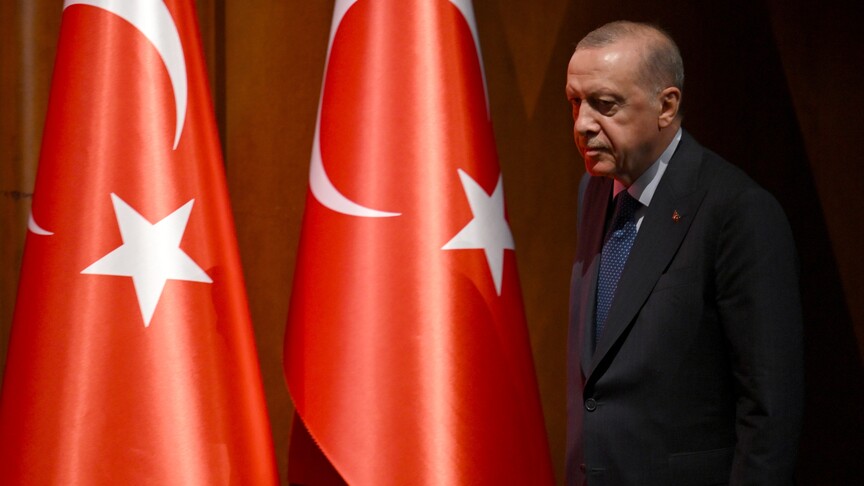
Although Washington and Tehran later announced a temporary fragile ceasefire on April 7, negotiations in Islamabad failed to produce a lasting settlement. US President Donald Trump subsequently extended the pause in hostilities, claiming the move would give Iran additional time to formulate what he described as a “unified proposal.”
Despite the ceasefire, uncertainty has continued to dominate energy markets. The reopening of shipping routes in Hormuz remains uncertain as diplomatic negotiations continue between Washington and Tehran.
Shipping disruptions have remained severe even during periods of reduced military activity. International maritime agencies estimate that hundreds of vessels remain stranded or delayed due to security concerns in Gulf waters. Major shipping firms have warned that the reopening of Hormuz alone may not immediately restore global cargo flows.
The economic consequences of the crisis have spread far beyond the Middle East. Asian economies, heavily dependent on Gulf crude imports, have faced rising fuel costs and growing inflationary pressure. Governments across the region have sought alternatives amid worsening oil supply disruptions.
At the same time, the crisis has reinforced the United States’ growing position as a dominant global energy exporter. Over the past decade, Washington transformed itself from a major oil importer into one of the world’s leading suppliers of crude oil, liquefied natural gas and refined petroleum products. The Iran conflict accelerated that trend by creating urgent demand for non-Gulf energy supplies.
Critics of US foreign policy have pointed to the export boom as evidence that Washington’s economic interests are deeply intertwined with geopolitical instability in the Middle East. The sharp rise in American fuel revenues during the conflict has intensified debate over whether energy profits influence broader strategic calculations in the region.
Questions have also emerged over unusual activity in oil markets during the war. Reports this week indicated that US federal investigators are examining several large suspicious oil trades made shortly before major announcements related to the Iran conflict and ceasefire negotiations.
Meanwhile, the conflict continues to reshape global trade routes and alliances. Energy analysts say prolonged disruptions to Gulf exports could permanently alter supply chains and accelerate efforts among Asian nations to diversify energy imports away from the region.
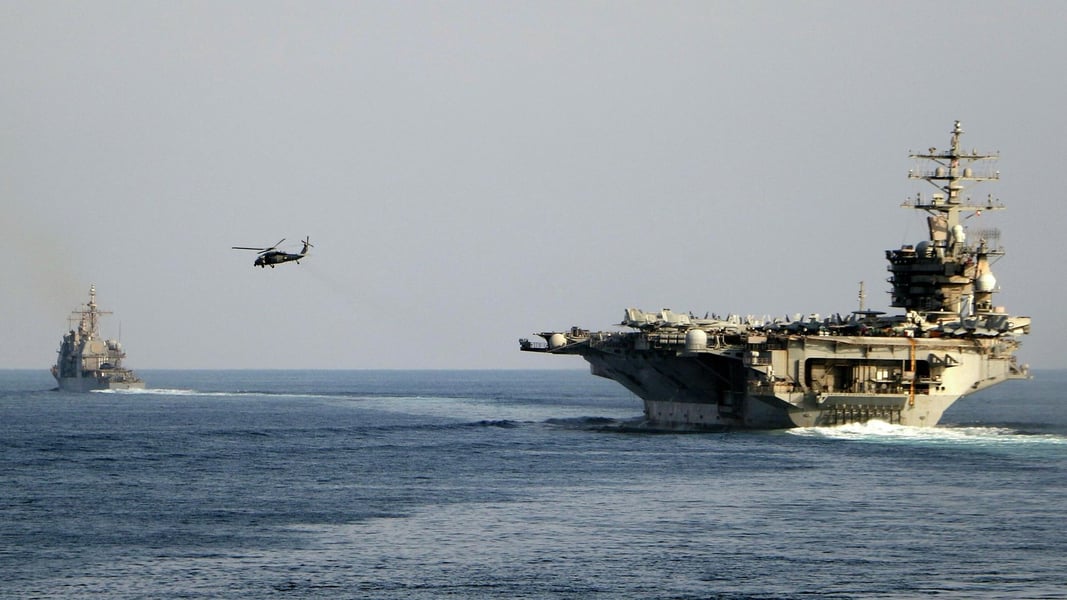
Despite diplomatic efforts, tensions remain high. Iranian officials continue to insist that any lasting agreement must include guarantees related to sanctions relief and regional security. Washington, meanwhile, has maintained pressure on Tehran through additional sanctions and military deployments in the Gulf.
For now, global energy markets remain caught between fragile diplomacy and the possibility of renewed escalation. But one outcome is already clear: while much of the world struggled with rising fuel costs and disrupted supply chains, the United States emerged from the first month of the conflict with billions of dollars in additional energy export revenues.
Related Posts