
The fragile ceasefire between the United States and Iran is increasingly under strain as fresh military clashes unfold across the Strait of Hormuz, where competing naval operations and escalating attacks are testing the limits of a four-week truce.
In recent days, US and Iranian forces have exchanged fire in and around the strategic waterway, with both sides reporting attacks on ships and military assets. The situation remains difficult to independently verify, as Washington and Tehran continue to issue conflicting accounts of events at sea.
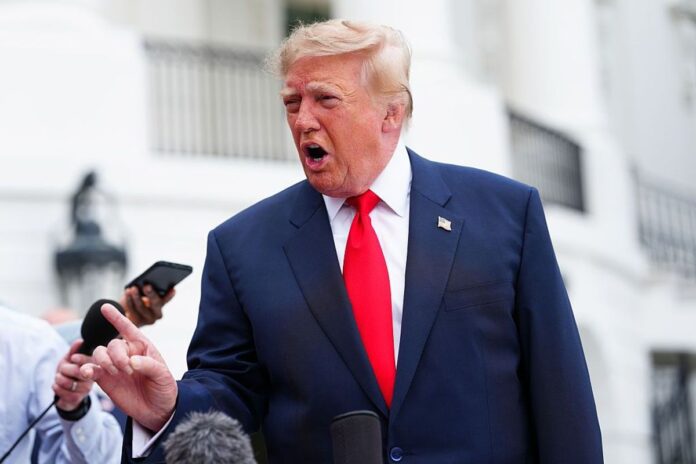
At the center of the escalation is a US-led naval initiative ordered by President Donald Trump, aimed at reopening shipping lanes through the strait. The operation, known as “Project Freedom,” was launched to escort commercial vessels and counter what US officials describe as Iranian interference with maritime traffic.
But rather than stabilizing the situation, the effort has coincided with a surge in hostilities.
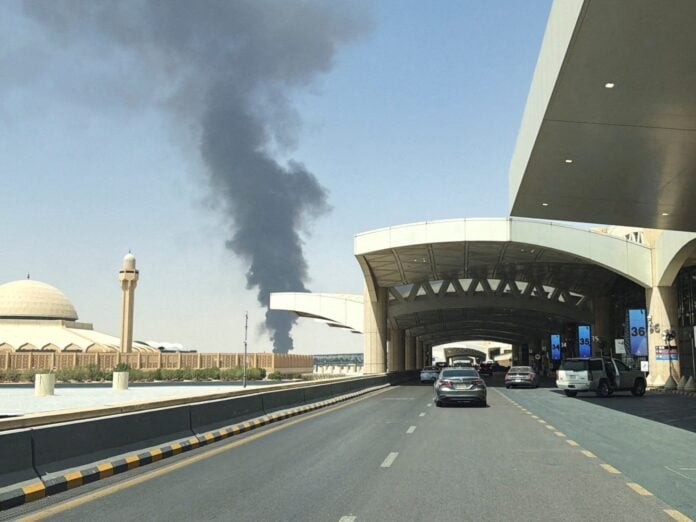
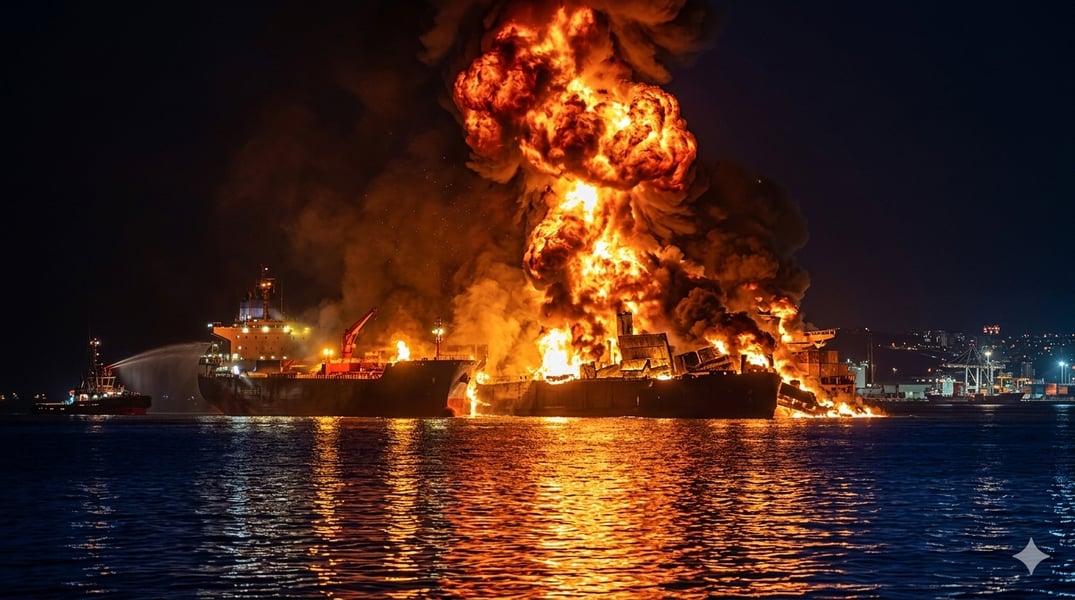
US forces say they have destroyed multiple Iranian boats and intercepted drones and missiles targeting vessels in the region. Iran, meanwhile, has responded with its own strikes, including drone and missile attacks that ignited a fire at the UAE’s Fujairah oil port and triggered explosions on ships navigating nearby waters.
A Strait Under Effective Constraint
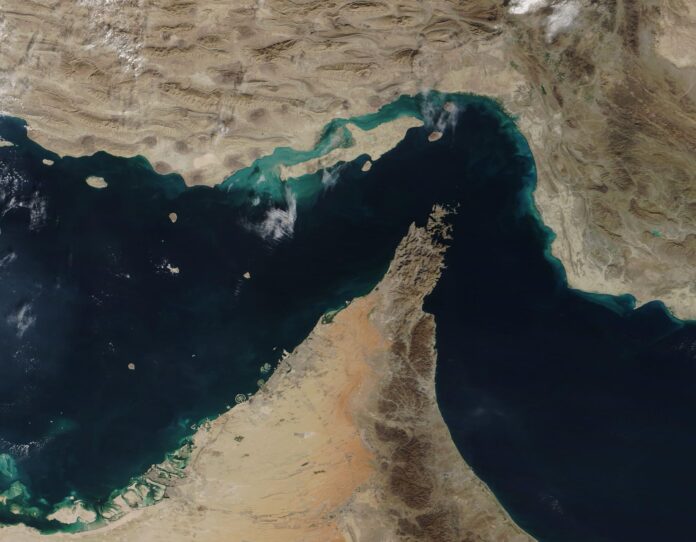
The Strait of Hormuz, a narrow passage linking the Persian Gulf to global markets, is now operating under severe disruption.
Shipping traffic has largely ground to a halt, with maritime data showing only minimal vessel movement despite US efforts to escort ships. Hundreds of vessels remain stranded, and thousands of seafarers are unable to transit the corridor due to ongoing security risks.
Iran has effectively imposed control over the strait through a combination of military threats, warnings to commercial vessels, and direct attacks. Ships have been instructed to coordinate passage with Iranian forces, while others have avoided the route entirely amid fears of mines, drones, and missile strikes.
The United States has responded with its own measures, including escort operations and a broader naval blockade targeting Iranian ports. The result is a confrontation defined by overlapping restrictions, leaving commercial shipping caught between rival assertions of authority.
Explosions, Attacks, and Conflicting Claims
The security environment in the Gulf has deteriorated sharply.
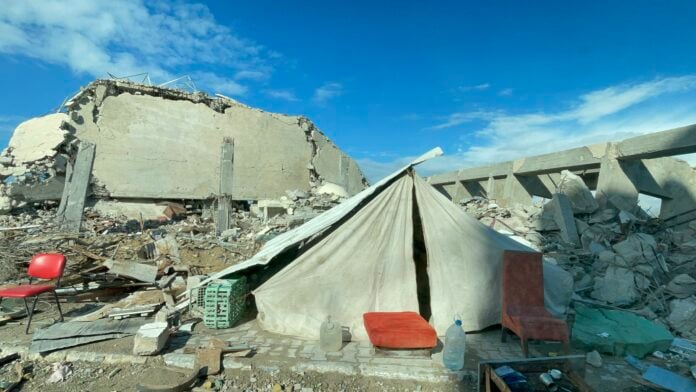
Multiple vessels have reported explosions and fires in recent days, while governments across the region have confirmed strikes on infrastructure and shipping.
Iran has claimed it fired on a US warship approaching the strait, forcing it to turn back, though US officials have denied that any American vessel was hit. Such conflicting narratives have become a defining feature of the crisis, complicating efforts to establish a clear picture of events.
Diplomacy Struggles to Keep Pace
Talks mediated by Pakistan remain stalled, with both sides divided over key conditions for de-escalation. Iran has proposed a framework that would delay discussions over its nuclear program, while the United States has signaled reluctance to accept those terms.
At the same time, US officials and regional allies are exploring additional diplomatic measures, including a possible United Nations resolution addressing maritime security in the strait.
Global Energy Markets on Edge
The implications of the crisis extend far beyond the Gulf.
The Strait of Hormuz handles roughly one-fifth of the world’s oil supply, making any disruption to its operation a major concern for global markets. As tensions have escalated, oil prices have surged above $100 per barrel, reflecting fears of prolonged supply disruption.
Asian economies, heavily dependent on Gulf energy exports, are already feeling the effects. Rising fuel costs are contributing to inflationary pressure, while financial markets have shown signs of volatility amid uncertainty over the trajectory of the conflict.
A Ceasefire in Name Only
For now, the ceasefire has not formally collapsed. But its foundations are eroding.
Iran continues to assert control over the strait, while the United States presses ahead with efforts to challenge those restrictions through military force. Each new incident, whether an intercepted drone, a damaged vessel, or a disputed exchange of fire, increases the risk of a broader confrontation.
The Strait of Hormuz, long a critical artery of global trade, has once again become a flashpoint where military power, economic interests, and geopolitical rivalry converge, with consequences that could extend far beyond the Gulf.