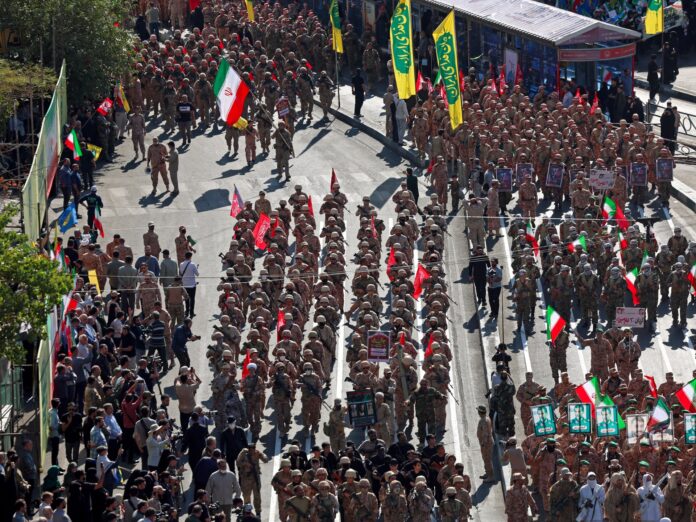
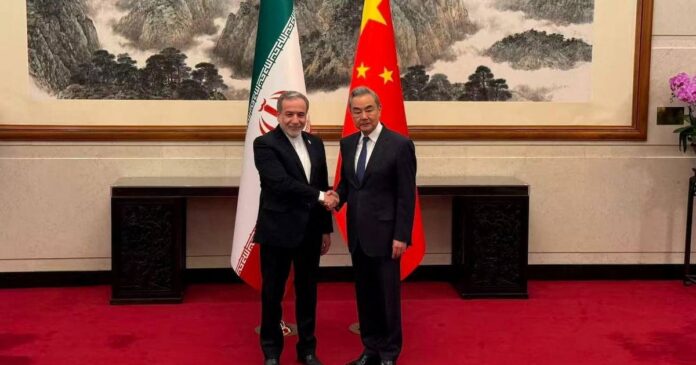
NEW YORK — Oil prices tumbled and global stock markets surged on Friday after Iran announced that the Strait of Hormuz would remain open to commercial shipping during a ceasefire, easing fears of a prolonged disruption to global energy supplies.
Benchmark US crude fell about 11.6 percent to roughly $83 per barrel, while Brent crude dropped more than 9 percent, marking one of the sharpest single-day declines in months.
At the same time, Wall Street rallied strongly. The Dow Jones Industrial Average climbed more than 900 points, while the S&P 500 rose about 1.2 percent and the Nasdaq gained roughly 1.4 percent.
The moves reflected a rapid shift in investor expectations after weeks of volatility driven by the conflict in the Middle East.
Oil retreats as supply fears ease
The decline in oil prices followed Iran’s declaration that the strait would be open to commercial vessels under a ceasefire arrangement.
The Strait of Hormuz is one of the world’s most critical energy corridors, carrying close to one-fifth of global oil supplies.

With shipping expected to resume, those concerns eased. Traders moved quickly to unwind positions built on the assumption of constrained supply, driving prices lower.
The decline was not driven by a sudden increase in production. It reflected a reduction in perceived risk tied to the flow of oil from the Gulf.
Stocks rise on inflation relief hopes
Equity markets moved in the opposite direction.
Lower oil prices tend to reduce costs across the economy, particularly for transportation, manufacturing, and logistics. Investors responded by buying shares in companies that benefit from cheaper fuel, including airlines and travel-related businesses.
The broader market also gained on expectations that easing energy prices could help slow inflation. That shift may give central banks greater flexibility on interest rates, a key factor influencing equity valuations.
Recent weeks had seen markets fluctuate sharply as oil prices surged during the conflict. Friday’s move marked a reversal of that trend, with investors recalibrating expectations toward a less severe economic impact.
A conflict that reshaped markets
The reaction in financial markets underscores the extent to which the war has driven global economic conditions.
The disruption created a global oil supply disruption, affecting millions of barrels per day and pushing prices to multi-year highs.
The shock rippled across economies, raising fuel costs, increasing inflation risks, and contributing to market instability worldwide.
Friday’s price drop reflects the partial unwinding of those pressures as the immediate threat to supply diminished.
Ceasefire signals but no resolution
The reopening of the strait is tied to a ceasefire linked to broader regional tensions.
Under the new arrangement, vessels navigating the waterway must coordinate movement, as global oil supply routes remain under close monitoring.
Officials have indicated that negotiations are ongoing, and the situation remains fluid. A US naval presence in the region continues, underscoring the fragile nature of the current arrangement.
Analysts caution that the current stability may be temporary. Oil markets remain sensitive to any signs of renewed escalation, and supply disruptions could return quickly if the ceasefire breaks down.
Even with the strait open, logistical challenges and damage to infrastructure may continue to affect production and transport across the region.
Global markets follow Wall Street
The rally in US equities was mirrored in other markets.
global stock markets surged, while energy prices declined across multiple commodities as confidence improved.
Bond yields also moved lower, reflecting reduced demand for safe-haven assets, and the US dollar weakened slightly as geopolitical risk eased.

A fragile balance
The sharp swings in oil and equities illustrate how quickly sentiment can change when geopolitical risks shift.
Markets that had been pricing in a prolonged disruption to global energy supplies are now adjusting to the possibility that the crisis may ease.
That adjustment has driven a powerful rally in stocks and a steep decline in oil prices.
Yet the underlying drivers of the conflict remain unresolved. The ceasefire provides a temporary reprieve, not a definitive outcome.
For investors, the current moment reflects a balance between relief and uncertainty, a market reacting not to resolution, but to the possibility that the worst-case scenario may be avoided.