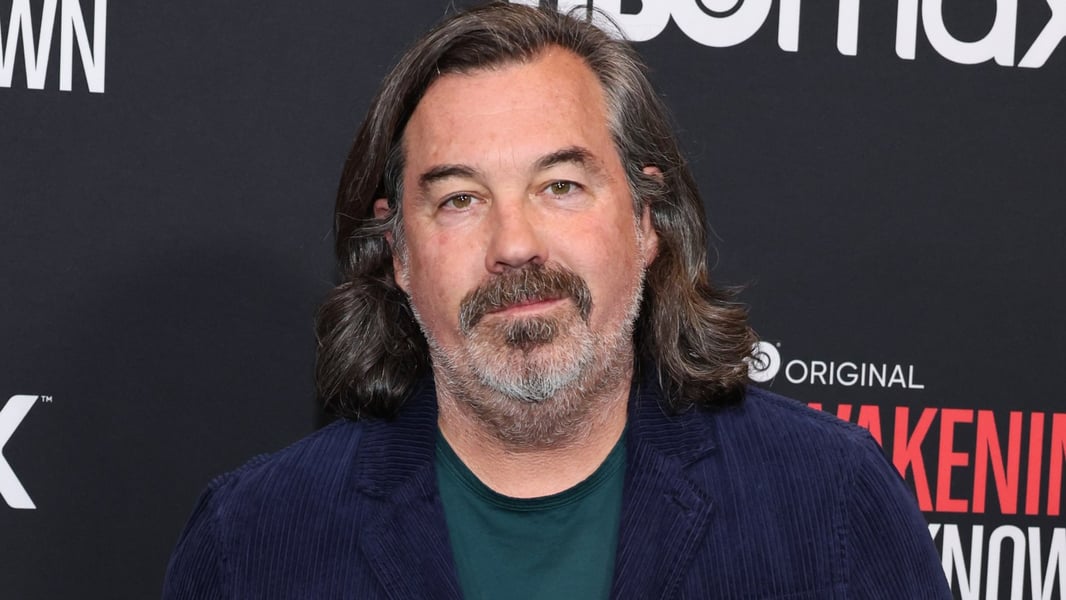

NEW YORK — Two weeks before his new off-Broadway musical was scheduled to begin performances, and with a major Broadway revival of his most celebrated work already in rehearsal, Duncan Sheik died on Wednesday in Manhattan. He was 56.
His publicist confirmed the death, which The Hollywood Reporter first reported. NBC News cited the cause as cardiac arrest; his family told The New York Times the cause was organ failure.
The timing cut in a particular way. “Memoirs of Amorous Gentlemen,” a musical adaptation Sheik had spent years developing from the collected erotica of Anaïs Nin, was days away from beginning performances at the Vineyard Theatre. A full Broadway revival of “Spring Awakening,” the show that transformed him from a pop music near-miss into a Tony Award-winning composer, had been announced for this winter at the Lyceum Theatre, with previews beginning November 27 and an opening night set for December 17. Neither will open with him in the audience.
The son of a psychologist mother and real estate developer father, Sheik grew up in northern New Jersey and studied semiotics at Brown University before arriving at Atlantic Records in the mid-1990s. “Barely Breathing,” released in 1996, spent 55 weeks on the Billboard Hot 100, at the time the longest continuous chart run for any single in the chart’s history, and earned him a Grammy nomination for Best Male Pop Vocal Performance. The song, a quiet acoustic dissection of a dissolving relationship, became one of those pieces of music that a generation filed away as the sound of a specific emotional moment.
The years after “Barely Breathing” were quieter by design. His subsequent albums, “Humming” in 1998 and “Phantom Moon” in 2001, earned respectful notices and modest sales. He spent much of the early 2000s in honest conversation with what a career without a commercial follow-up actually looked like, continuing to write, to perform, and to look for a form that fit the full range of what he wanted to make. He found it, slowly, in the theater.
The collaboration that defined the second phase of his career began with playwright Steven Sater and a German expressionist play from 1891. Frank Wedekind’s “Frühlings Erwachen,” known in English as “Spring Awakening,” told the story of adolescents crushed by sexual repression and institutional cruelty in provincial Germany. Sheik and Sater worked on it for years before a production landed at the Atlantic Theater Company Off-Broadway in 2006.
The Broadway transfer arrived later that year at the Eugene O’Neill Theatre. “Spring Awakening” ran for 859 performances and won eight Tony Awards, among them Best Musical, Best Original Score, and Best Book of a Musical. The show launched the careers of Jonathan Groff, Lea Michele, and John Gallagher Jr. Sheik’s score grafted the angular energy of 1990s alternative rock to a Victorian-era narrative with adolescent fury at its center, a formal contradiction the show leaned into rather than away from. Critics who expected the combination to buckle found instead that it held the piece’s argument together. The New York Times described the score as one that “knows exactly where it wants to hurt you.”
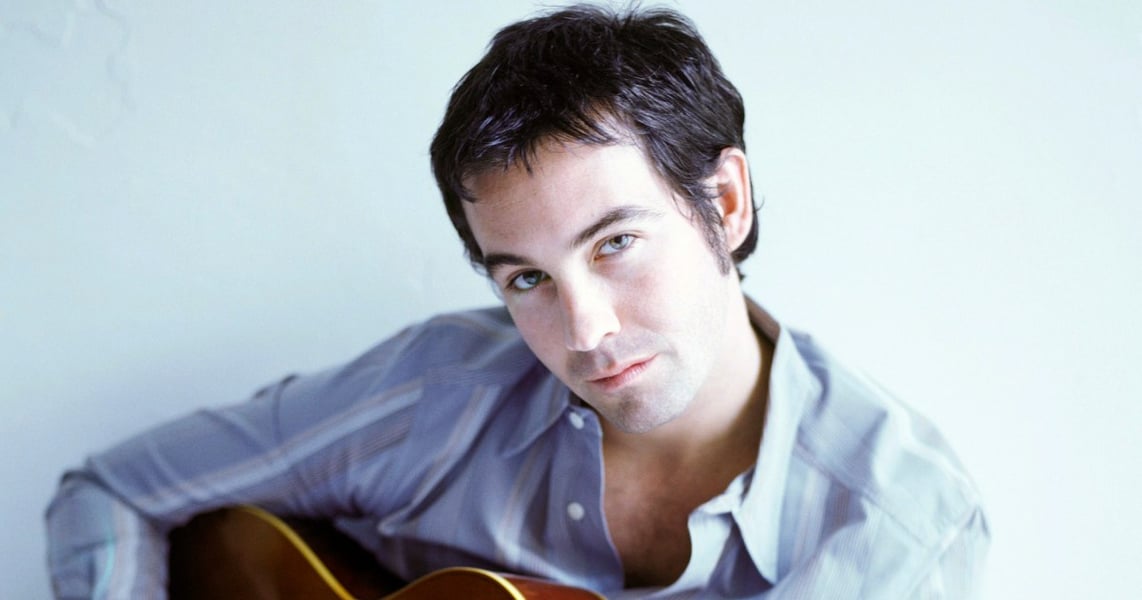
The Anaïs Nin project had occupied Sheik’s attention in the final years of his life. “Memoirs of Amorous Gentlemen,” adapted from Nin’s collected erotic fiction, was described by those who had seen workshop presentations as formally adventurous and uncompromising. Its scheduled premiere at the Vineyard Theatre was its first public test.
His death arrives in a season of notable losses in music. Cassandra Wilson, the Grammy-winning jazz singer whose voice helped define several decades of American improvised music, died earlier this month at 70. Glen Hansard, the Irish singer-songwriter and Academy Award winner, died in July. Sheik’s career traced a different arc from either: not the sustained critical eminence of Wilson, not the cult-adored indie circuit of Hansard, but a genuine reinvention that lasted long enough to become a second body of work entirely its own.
Sheik is survived by his wife, Nora Ariffin; their daughter, Ines; his mother, Suzanne; his father, Jack; and his half-siblings, Peter and Kacie.
As of Thursday morning, neither the Vineyard Theatre nor the producers of the Broadway revival had issued statements about the productions’ futures. The question of whether “Memoirs of Amorous Gentlemen” would proceed and whether “Spring Awakening” would open on schedule was left unanswered, the two productions that together represented the unfinished final chapter of his career.