
New Delhi — In a development that signals a dramatic shift in global energy geopolitics, India is set to receive its first shipment of Iranian crude in nearly seven years, a move triggered by war-driven disruptions and a temporary loosening of US sanctions.
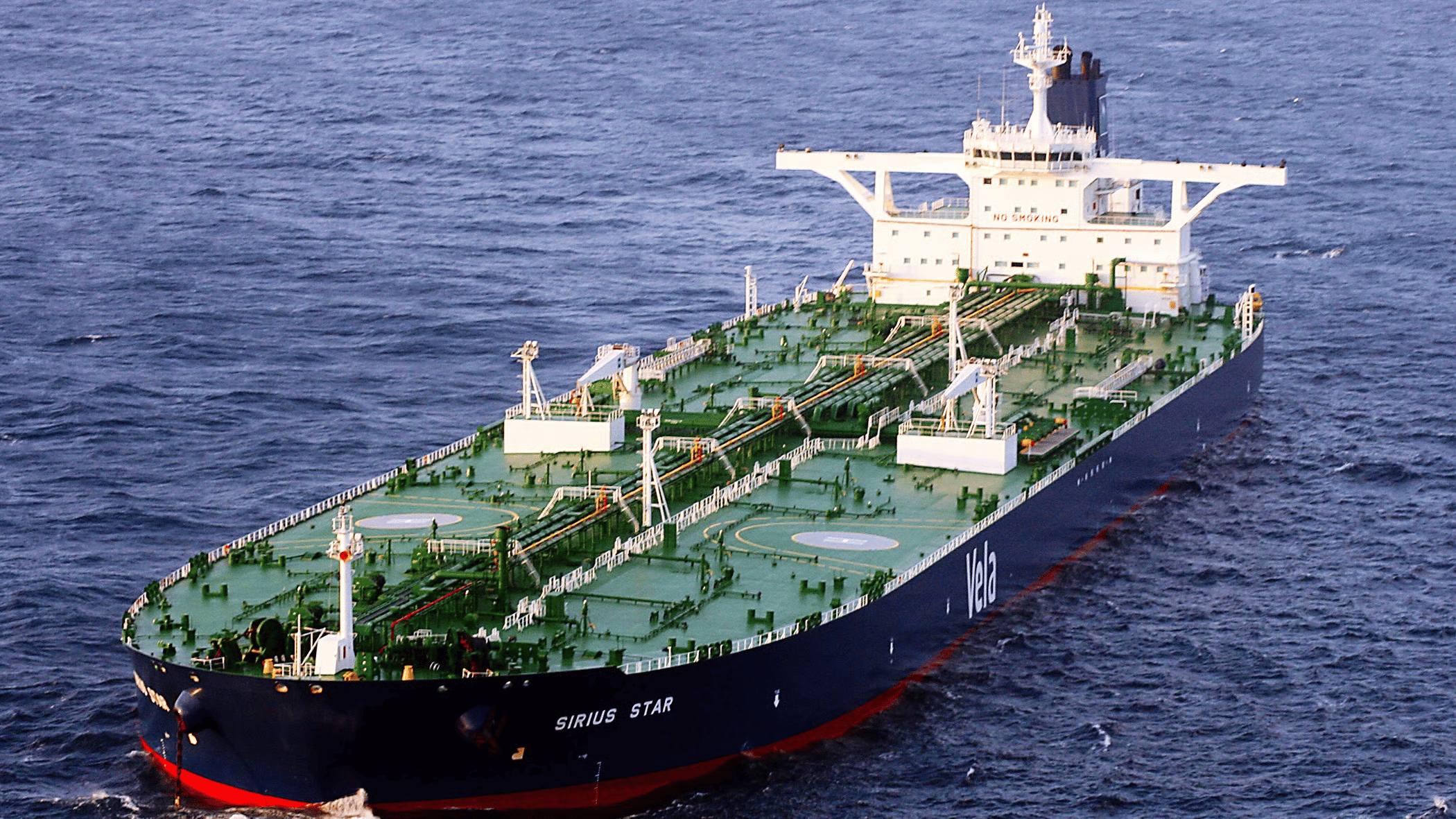
At the center of this unfolding story is the tanker Ping Shun, an Aframax vessel now sailing toward Gujarat’s Vadinar port with 600,000 barrels of Iranian crude. Ship-tracking data indicates the cargo was loaded at Iran’s Kharg Island in early March and is expected to arrive on April 4, potentially marking the first such delivery since May 2019.
The shipment, while modest in volume, carries outsized geopolitical significance. It reflects not just a transactional exchange of oil, but a recalibration of alliances, pressures, and priorities in a world increasingly shaped by conflict and energy insecurity.
The reappearance of Iranian crude in India’s supply chain comes against the backdrop of a widening global oil supply disruption 2026, reshaping trade flows across Asia.
A War That Rewired Oil Flows
The return of Iranian oil is inseparable from the crisis unfolding across the Middle East. The Strait of Hormuz have upended global oil markets, forcing shipping firms, insurers, and governments to rethink long-standing trade routes.
Recent reports indicate that tanker routes have been disrupted and oil flows rerouted as conflict escalates, with vessels either delayed, diverted, or halted altogether. Strait of Hormuz have upended global oil markets, cutting off key supply arteries and pushing prices upward.

The Return of a Frozen Trade Route
Before sanctions halted imports in 2019, Iran was a key supplier to India, offering competitive pricing and favorable credit terms. That relationship was abruptly severed under US pressure, forcing Indian refiners to diversify their sourcing.
Now, nearly seven years later, the re-entry of Iranian crude suggests that this long-frozen trade route may be reopening, even if only briefly.
The tanker’s journey has been closely monitored, with ship-tracking data showing its steady progress toward India’s western coast.
India’s Energy Dilemma
India, the world’s third-largest oil importer, faces mounting pressure as supply chains tighten and prices rise. Refiners are grappling with shrinking inventories, rising costs, and growing uncertainty.
The current shipment reflects a broader shift, a diversification under pressure, as India expands its sourcing options amid geopolitical turbulence.
This shift is part of a wider recalibration. As explored in India’s evolving energy sourcing strategy, New Delhi has increasingly turned to alternative suppliers to secure its energy needs.
At the same time, officials have remained cautious. The government has said it has no specific information about the tanker, reflecting the sensitivity surrounding Iranian oil transactions.
Uncertainty Over Final Delivery
Despite clear signals from tracking systems, analysts warn that such shipments are often fluid. Tankers carrying sanctioned crude frequently alter routes or destinations mid-voyage.
The Ping Shun itself may not be an exception. Its listed destination could change depending on market conditions, enforcement risks, or logistical challenges.
The shipment also raises questions about the buyer. Vadinar is home to major refining infrastructure, but the identity of the purchaser remains unclear.
A Signal to Global Markets
The significance of this shipment extends far beyond India. It highlights the limits of sanctions in a world where energy security often overrides political constraints.
It also underscores the broader economic stakes. Analysts have warned that continued disruptions could trigger economic shock across global markets.
Meanwhile, some projections suggest that oil prices could surge dramatically, with scenarios where oil prices could surge toward $200 if supply routes remain constrained.
Even advanced economies are not immune. A growing energy insecurity is now evident across Western markets, where supply disruptions are already affecting fuel availability.
The Road Ahead
Whether this shipment marks a one-off exception or the beginning of a broader trend remains unclear. Much will depend on how geopolitical tensions evolve and whether sanctions enforcement tightens again.
For now, the Ping Shun represents a rare convergence of necessity and opportunity, a moment where shifting realities have reopened a channel long thought closed.
In a world defined by volatility, such moments often carry lasting consequences.
Related Posts