
The global oil market is entering what energy analysts increasingly describe as a defining moment — one that could reshape not only fuel prices but the trajectory of the world economy itself.
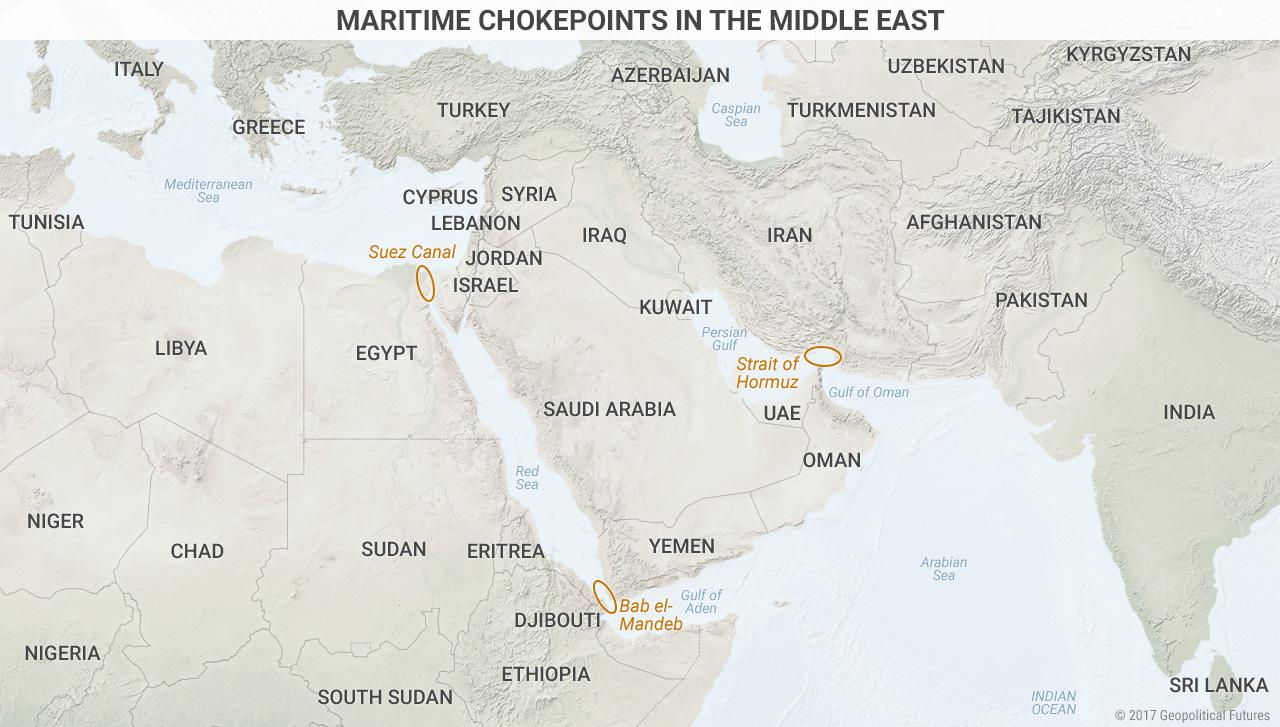
At the center of this unfolding crisis lies the Strait of Hormuz, a narrow but indispensable maritime corridor through which roughly one-fifth of the world’s oil supply flows. Now effectively shut amid escalating conflict linked to the war involving Iran, the Strait of Hormuz has become the single most important variable in determining whether oil prices stabilize, or surge toward $200 per barrel.
Recent warnings from analysts, echoed in reporting such as Axios analysis on oil reaching $200 per barrel, suggest that such a price spike is no longer a distant worst-case scenario but an increasingly plausible outcome if disruptions persist.
A Market Held Hostage by Geography
The Strait of Hormuz has long been considered one of the most strategically sensitive locations in the global energy system. But its vulnerability has rarely been exposed with such clarity.
Shipping traffic through the strait has collapsed dramatically in recent weeks, with vessels either rerouted or held back entirely amid rising security risks. The result is not merely logistical disruption but a structural shock to global supply.
The scale of that disruption is difficult to overstate. The waterway carries nearly 20 percent of global oil shipments, and its closure has triggered what the current disruption is already unprecedented in scale according to the International Energy Agency.
When flows through Hormuz are interrupted, the effects ripple immediately across global markets. Unlike other supply shocks, which may unfold gradually, the closure of the Strait of Hormuz produces near-instant scarcity, not just in perception, but in physical availability.
From Price Volatility to Supply Crisis
Oil markets remain highly unstable. Oil prices have fluctuated sharply in response to shifting geopolitical signals, but those movements mask a deeper and more persistent problem.
The core issue is supply.
More than 12 million barrels per day have already been affected, according to market estimates, with further disruptions expected as infrastructure damage and shipping risks intensify.
This is no longer a sentiment-driven market. It is one increasingly shaped by physical shortages.
Why $200 Oil Is Now Considered Plausible
The prospect of oil reaching $200 per barrel is now part of mainstream analysis.
The reasoning is grounded in three factors: shrinking reserves, prolonged disruption, and historical precedent.
Short-term buffers such as strategic reserves have delayed the full impact of the crisis. But those buffers are finite, and once depleted, supply shortages will drive prices higher.
Analysts note that oil prices approached $150 per barrel during previous crises, levels that would exceed $200 in today’s terms.
Under such conditions, price movements can become nonlinear, accelerating rapidly once shortages become visible.
Strategic Reserves: A Temporary Shield
Governments have attempted to stabilize markets through coordinated releases of strategic reserves. While these measures have provided temporary relief, they are not designed to offset prolonged disruptions of this scale.
The longer the crisis persists, the more likely markets are to transition from volatility to sustained price escalation.
A Crisis Larger Than the 1970s
Energy experts increasingly compare the current disruption to, and in some cases beyond, the oil shocks of the 1970s.
The scale of disruption today, combined with higher global demand, means the system has less flexibility to absorb shocks.
The global energy system is under strain in ways not seen in decades.
Inflation, Growth, and the Global Economy
The economic consequences are already emerging.
Fuel prices have surged sharply, with ripple effects spreading across transportation, manufacturing, and food supply chains.
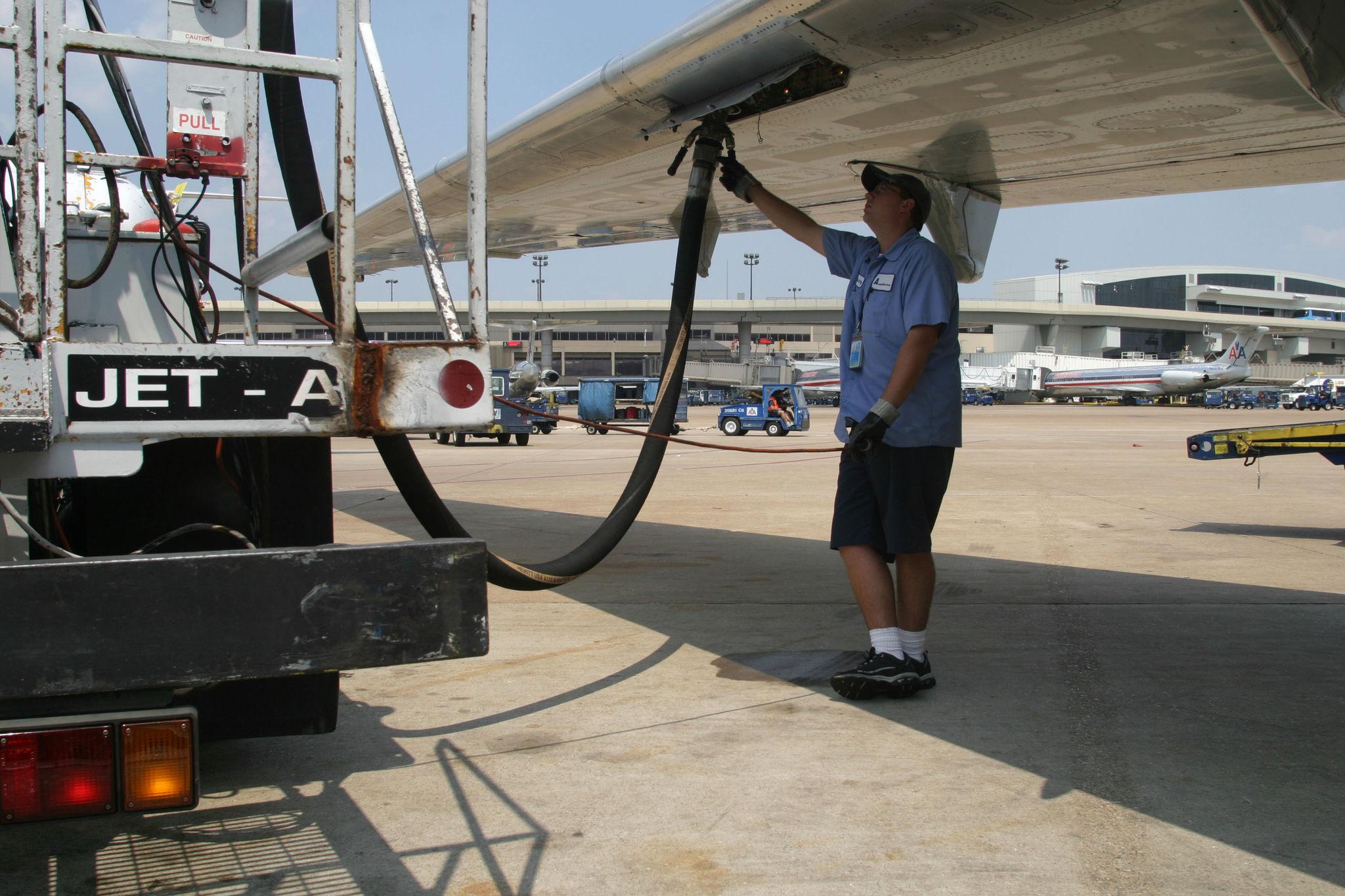
For many economies, particularly those dependent on imported energy, the risks are acute.
Markets Caught Between Hope and Reality
Despite the severity of the crisis, markets continue to react to political developments.
Temporary optimism around ceasefire discussions has led to short-lived price declines. But global oil markets are under extraordinary strain, and the underlying supply constraints remain unresolved.
The war involving Iran has disrupted global supply routes, and analysts warn that a prolonged conflict could deepen the crisis further.
The Road Ahead
The trajectory of oil prices now hinges on a single question: whether the Strait of Hormuz reopens.
If flows resume, markets may stabilize. But if the disruption continues, the path toward $150, and potentially $200, becomes increasingly likely.
For now, the world economy remains tethered to a narrow stretch of water whose closure has exposed the fragility of the global energy system.
The stakes could hardly be higher.