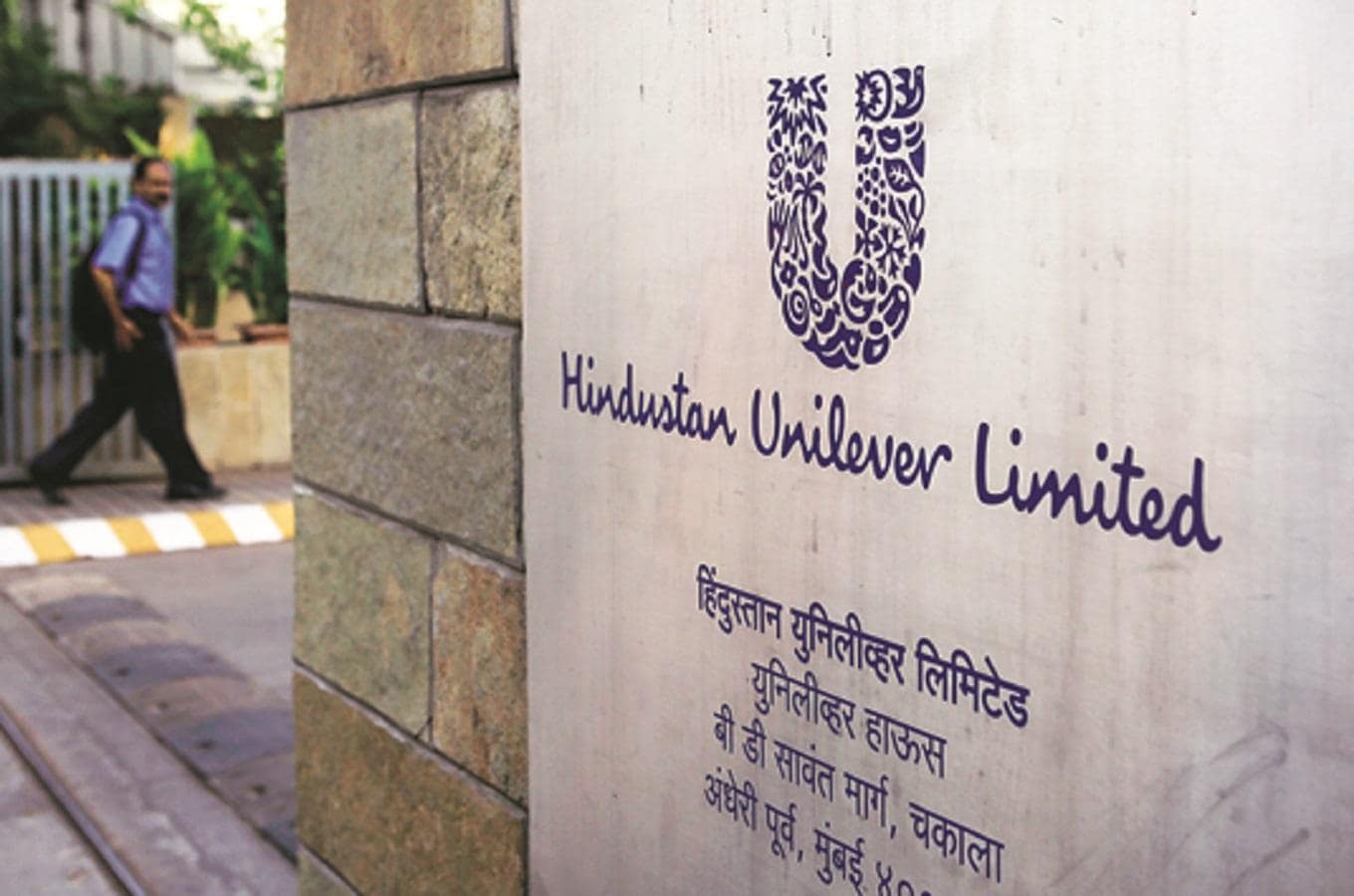

MUMBAI – Hindustan Unilever posted a 4 percent drop in quarterly net profit on Monday even as India’s biggest consumer goods company grew revenue by more than ten percent, a split that laid bare how sharply rising input costs are eating into margins at a company whose products sit in nearly every Indian household.
Net profit for the quarter ended June 30 fell to Rs 2,631 crore from Rs 2,740 crore a year earlier. Net sales rose to Rs 17,149 crore, a 10.3 percent increase driven by a combination of volume growth and price adjustments. The market had expected stronger bottom-line performance, and shares in the Bombay Stock Exchange-listed company fell as much as 6 percent in intraday trading before partially recovering, Reuters reported.
The squeeze came from commodities. Hindustan Unilever cited higher costs for palm oil, crude oil derivatives used in packaging and personal care formulations, and other raw materials as the main drag on profitability. Gross margins contracted by approximately 200 basis points – a meaningful compression for a company that typically defends its margins aggressively through pricing discipline and cost-efficiency programmes.
India’s exposure to global commodity markets has grown more acute this year as the Middle East conflict kept energy and raw material prices elevated for longer than consumer goods companies had budgeted. The ADB India FY27 growth forecast cut to 6.6% reflected the same underlying pressure – energy and commodity shocks flowing through the economy in ways that hit corporate earnings before they register in headline growth figures.
Hindustan Unilever’s management told analysts during the results call that volume growth had been real but had fallen below internal targets. The company had taken price increases in some categories over the past year, but it was constrained in how far it could push further without risking demand destruction in a market where consumers at the lower end of the income spectrum are particularly sensitive to price movements. Rural India, which accounts for a large share of HUL’s distribution network, has been showing slower consumption growth than urban centres.
CEO Rohit Jawa told analysts the company expected commodity pressures to ease in the second half of the financial year, citing its expectation that crude oil prices would moderate. That forecast rested partly on the outlook for Middle East tensions – a variable that has proven difficult to predict over the past year. If oil prices reversed sharply upward again, the company’s guidance would face an immediate stress test.
Saudi crude tanker diversions during Houthi Red Sea blockade earlier in July had briefly threatened to push oil prices higher again and disrupted shipping routes that affect the procurement of Southeast Asian palm oil. For HUL, which sources commodities through supply chains sensitive to oil price and shipping cost movements, even brief disruptions translate directly into procurement costs.
The volume growth HUL did report – around 3 to 4 percent for the quarter – was concentrated in premium and urban categories. Skin care, hair care and food products showed better-than-average performance, while mass-market detergent and household cleaning segments saw more muted demand in some rural regions where household budgets were under strain.
India’s broader fast-moving consumer goods sector had been navigating a difficult environment for several quarters. Simultaneous pressure from input cost inflation, softening rural demand growth and intensifying competition from direct-to-consumer brands had made it harder for established players to sustain the margin profiles their investors had come to expect. India’s legacy FMCG brands losing shelf space to D2C challengers was a recognised structural challenge before this year’s commodity shock added to the pressure.
The TCS Q1 FY27 AI business revenue growth results earlier this month had set a different tone for India’s corporate earnings season – technology companies benefiting from global AI spending even as consumer goods companies struggled with cost pressures. The divergence reflected the segmented nature of India’s economic expansion, where technology and services outperform while sectors tied to domestic consumption face structural headwinds.
Hindustan Unilever’s results would be closely watched across the sector as a leading indicator. The company’s scale – it reaches more than eight million retail outlets across India – makes its volume growth figures a rough proxy for consumer health across a range of income groups. Indian rupee weakness and Iran war macro pressures had been flagged as risks to India’s consumption story for months. The Q1 numbers provided the first hard data on how those risks were materialising in corporate earnings.
Analysts said HUL’s results were consistent with what they expected across the consumer staples sector for the same period – volume growth present, but insufficient to offset the margin squeeze from higher input costs. The question for investors was whether the cost environment would improve fast enough in the second half to allow the company to rebuild margins without sacrificing the volume momentum it had managed to sustain under pressure.
Neither the commodity outlook nor the demand environment offered a clear answer. HUL exited the quarter with its revenue growing and its profit shrinking – a combination that summarised the bind facing consumer goods companies across much of the developing world in a year when global cost pressures arrived simultaneously with domestic demand softness.