
SÃO PAULO – On the same Sunday in August, two rallies launched two different Brazils.
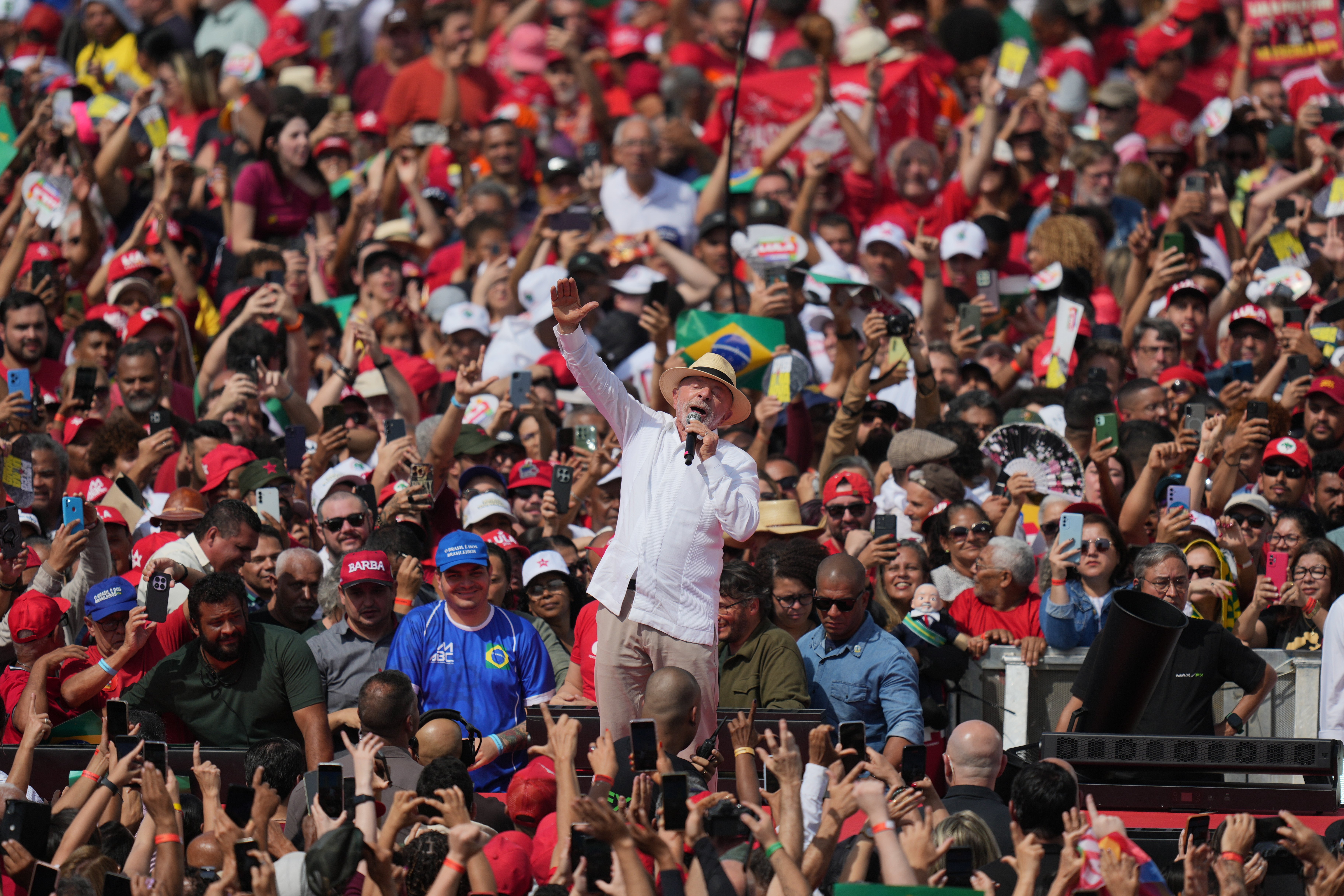
At Vila Euclides Stadium in São Bernardo do Campo, the industrial city outside São Paulo where Luiz Inácio Lula da Silva first built a union movement against a military dictatorship, the 80-year-old president stood before more than 10,000 supporters and announced that femicide would be the defining issue of his campaign. Not the economy, not his diplomatic standoff with Washington, not the record of his third term. Gender violence.
Brazil registered nearly 400 femicides in the first three months of 2026, the highest figure since the country began tracking it 11 years ago. That number did not arrive without context. A 2024 law signed by Lula made femicide a standalone criminal offense with sentences of 20 to 40 years, sharper than what existed before. It passed with support from women’s rights organizations and over the objections of legislators aligned with the Bolsonaro movement, who framed the bill as ideological overreach. Lula’s campaign is betting that distinction matters to voters.
“Men need to learn from childhood that they are no better than women,” Lula told the crowd. He promised a comprehensive gender-violence platform within 10 days. The language was direct and the venue deliberate. Vila Euclides is where Lula organized steel workers and built the political identity that would eventually take him to the presidency three times. Returning there to launch a campaign built around what is happening to Brazilian women carried the weight of personal history that a downtown auditorium could not replicate.
Women make up 53 percent of Brazil’s 158 million eligible voters. If even a fraction treat femicide as a single-issue mobilizing force, the electoral math shifts substantially. That is the bet Lula is making, and it is not obviously wrong. The open question is whether anger over femicide numbers translates to votes the same way economic anxiety does, and whether the women who voted for Jair Bolsonaro in 2022 are reachable on this issue or not.
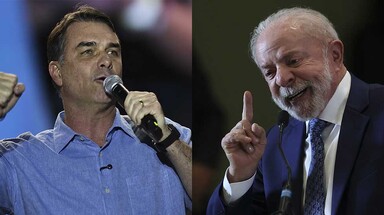
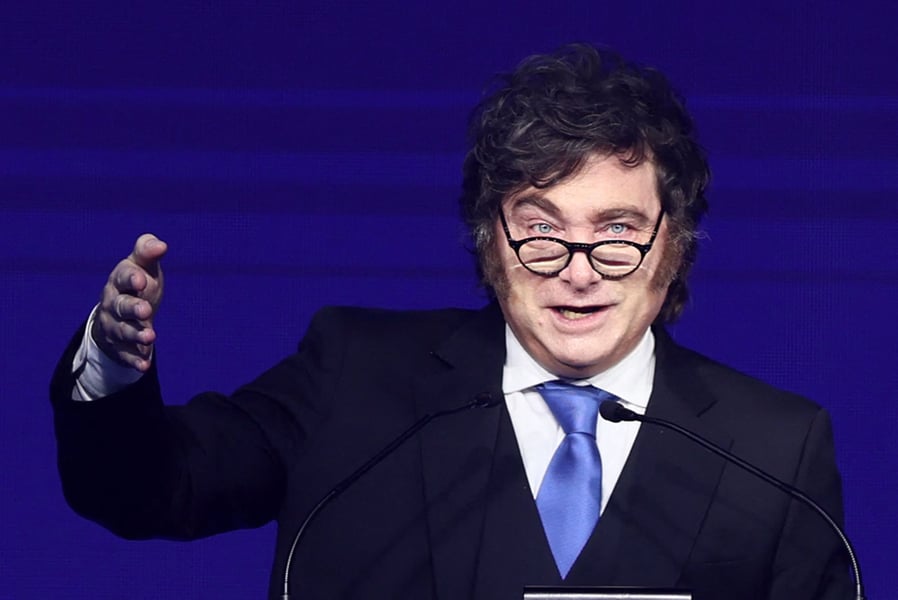
Across the country, at Copacabana Beach in Rio de Janeiro, a different crowd assembled. Flávio Bolsonaro, 45, the senator and eldest son of former President Jair Bolsonaro, launched his own campaign at one of Brazil’s most recognizable addresses. Argentina’s President Javier Milei attended; it was the first sitting foreign head of state to actively participate in a Brazilian campaign event in recent memory. The symbolism was not accidental. This campaign is positioning itself as a regional ideological project, not merely a national political contest.
The father was not there. Jair Bolsonaro remains under house arrest, convicted by Brazil’s Superior Electoral Court for his role in the alleged 2022 coup attempt. His absence from Copacabana was the image that defined the rally more than Milei’s attendance. The man who gave the movement its name, its face, and his grievance watched from house arrest while his son tried to inherit an electorate built on his father’s personality. Whether the base sees Jair as a martyr whose cause carries forward through his son, or whether they see a campaign borrowing legitimacy from a figure who can no longer physically show up for it, is one of the open questions October 4 will answer.
As Al Jazeera reported, both launches drew crowds in the tens of thousands, with the simultaneous timing apparently deliberate on both sides, each demonstrating organizational capacity and sending the message that neither campaign would cede a day in the election calendar.
Trump’s revocation of Brazil’s ambassador’s US visa has already introduced foreign interference as an explicit campaign issue. When Washington dispatched officials to Brasília citing election integrity concerns and Brazil refused them entry, and the Trump administration responded by stripping Brazil’s ambassador of her visa, both sides acquired ready-made language. Lula’s government framed it as defending sovereignty; the Bolsonaro campaign framed it as evidence of Lula’s inability to maintain a functioning relationship with Washington.
That pattern was established earlier. Trump’s tariff warning over the Bolsonaro trial signaled the ideological alignment between Washington and the Bolsonaro family more than a year before October 4. What Milei demonstrated at Copacabana is what that alignment looks like when it shows up in person, at an election rally, in a country that is not his own.
Lula holds a slim polling lead. Slim leads have proven unreliable in Brazil before. The femicide numbers are real, the female electorate is the largest demographic bloc in the country, and the 80-year-old president is campaigning on urgency while the 45-year-old senator campaigns on his father’s memory. The paradox in that picture has been the defining feature of Brazilian politics since 2018: two candidates, a country genuinely split, and a result too close to call until the polls close.
Related Posts