
WASHINGTON — Nine months after Nicolás Maduro was taken into American custody and flown to a federal detention facility in Florida on narcoterrorism charges, the Venezuelan government he once led has signed over 65 billion barrels of oil to the United States for the next century.
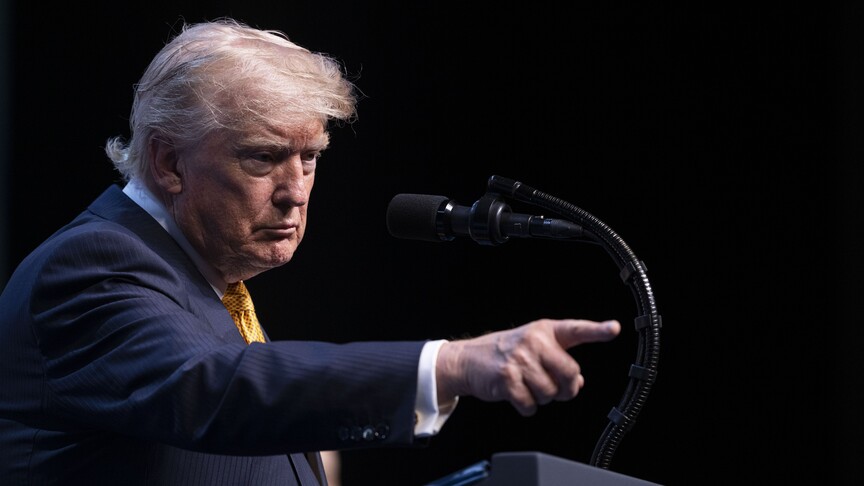
President Donald Trump announced the agreement Thursday in remarks at the White House, describing it as one of the most consequential resource deals in American history. Under its terms, the United States will receive 55 percent of output from 17 Venezuelan oil fields, the right to purchase Venezuela’s remaining share at cost, and development rights extending 100 years. An unnamed American private company will hold the operational development contract.
Delcy Rodríguez, who assumed the Venezuelan presidency after Maduro’s capture, signed the agreement. She called it a deal that “will have a significant impact on our nation’s revival.” Secretary of State Marco Rubio, who had led the negotiations, said the arrangement represented “a huge win for both the American and Venezuelan people.”
The framing drew immediate skepticism from legal scholars and regional analysts. Venezuelan law designates the state oil company PDVSA as the primary authority over petroleum extraction, a constitutional constraint that could render portions of the agreement unenforceable without legislative ratification that the current Caracas government may be unable to secure. The Maduro government had consistently held that such rights could not be transferred by executive agreement alone; the Rodríguez administration’s position on that legal question has not been publicly clarified.
What is not in dispute is the context in which the deal was struck. Maduro, elected in 2018 in a vote whose legitimacy remains contested across Latin America, pleaded not guilty to narcoterrorism charges at a federal court appearance in Miami in January. No date for a criminal trial has been set. The United States has not disclosed what diplomatic guarantees, if any, were offered to Caracas in exchange for Rodríguez’s signature.
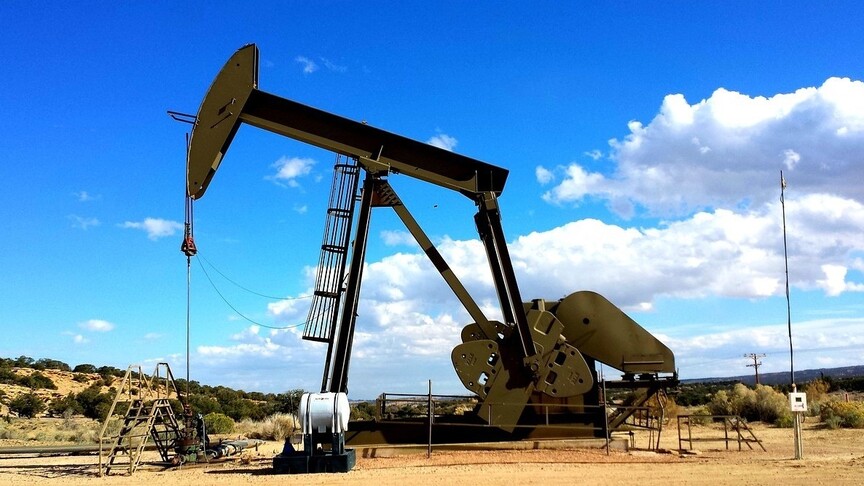
Venezuela sits atop the world’s largest proven oil reserves by volume. Its production, however, has collapsed over two decades of mismanagement, sanctions, and infrastructure decay. The country now produces roughly 800,000 barrels per day, a quarter of what it extracted in the late 1990s. As NPR reported in its analysis of the deal, the 65 billion barrel figure represents a theoretical ceiling requiring investment far exceeding anything the Venezuelan state could currently finance. The development contract handed to an unnamed American company would carry that burden.
That financing gap is part of what makes the agreement commercially uncertain. The Trump administration has framed the deal as a straightforward strategic win, particularly against the backdrop of constrained global oil supply following the six-month naval standoff at the Strait of Hormuz that restricted Gulf output and tightened the global energy market through much of 2026.
Venezuelan reserves were already attracting corporate interest before the government deal was struck. Earlier this week, Chevron and Halliburton had opened investment talks with Caracas, seeking access to the same fields that now fall under the framework Trump announced Thursday. How the government-to-government agreement interacts with those parallel negotiations has not been addressed.
The Venezuela deal fits a broader pattern in this administration’s foreign policy calculus. Trump has made resource control central to his approach across the hemisphere, a posture visible in disputes over water rights and critical minerals with Canada. That resource-first approach to hemispheric diplomacy has drawn comparisons to earlier American interventions in Latin America, particularly in countries with large hydrocarbon deposits.
No Latin American government had issued a formal response to the announcement by Thursday evening. The Organization of Petroleum Exporting Countries, of which Venezuela has been a member since 1960, had not commented. A 100-year development agreement transferring majority output rights to a foreign government, negotiated while that government’s predecessor sits in an American jail, is the kind of arrangement regional bodies have historically contested regardless of whether its signatories call it a win.
What Rodríguez’s government gains in exchange remains unclear. Rubio framed the oil revenue as a mechanism for Venezuelan reconstruction, and the White House referenced infrastructure investment alongside the oil-field development rights. Whether those commitments are binding, and what enforcement mechanism exists if they are not honored, the administration has not specified.
Maduro’s trial date remains unset.