
CARACAS — Multiple US energy companies are approaching the final stages of investment negotiations with Venezuela’s government over development of the South American country’s vast oil reserves, according to reporting by The Wall Street Journal, in what would represent a significant reconstruction of the energy relationship Washington severed years ago.
Chevron Corporation and Halliburton are among the major companies nearing production agreements with Caracas, the Journal reported Friday, citing sources familiar with the discussions. Executives from a number of oil and gas firms are expected to sign deals in the coming week. US Energy Secretary Chris Wright is also expected to travel to Venezuela, the report said.
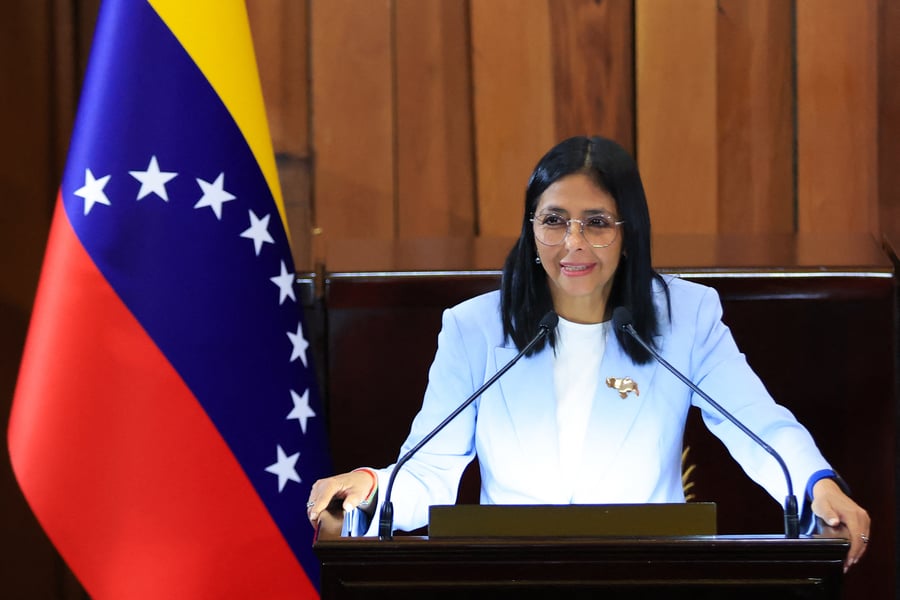
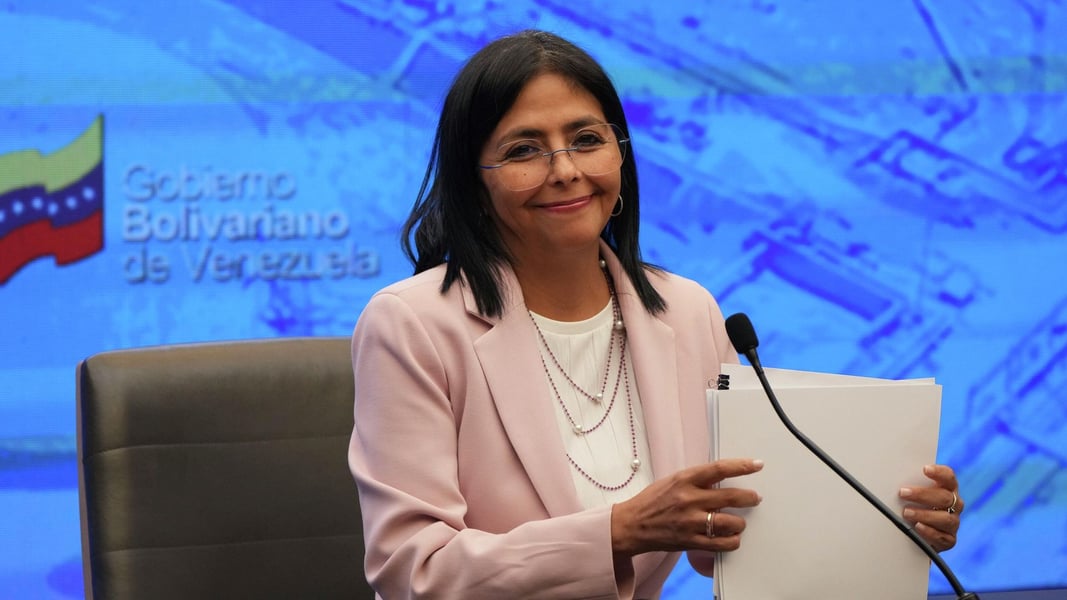
The potential agreements represent an accelerating shift in the bilateral relationship between Washington and Caracas under the administration of acting President Delcy Rodriguez. Since Rodriguez’s government began negotiations with the United States on a new bilateral agenda, the discussions have extended to drug trafficking cooperation, the release of Venezuelan frozen funds, the sale of Venezuelan oil, mining exploration and the resumption of diplomatic dialogue.
The scale of what is being contemplated is striking. TRT World reported the United States could acquire a stake in more than a dozen Venezuelan fields containing 90 billion of the country’s 300 billion barrels in proven oil reserves — the largest reserve base in the world by official government estimate. Under the structure being discussed, Caracas would benefit through development of those deposits by private firms and subsequent revenue increases.
Not all major US energy companies are moving at the same pace. ExxonMobil and ConocoPhillips, two of Chevron’s largest American rivals, are not currently planning to join talks on additional Venezuelan investments, the Journal reported. Both companies have specific historical reasons for caution: former Venezuelan President Hugo Chavez seized their assets in 2007, leaving a legal and political overhang that has not been fully resolved.
That distinction matters for what these deals would and would not represent. Chevron has maintained a limited operational presence in Venezuela through a Treasury Department license that survived successive US administrations’ restrictions. Halliburton, as an oilfield services company, would be entering as a contractor rather than an equity holder. The structure of any eventual agreements — whether through joint ventures, service contracts or production-sharing arrangements — will determine how much exposure US companies actually take on in a country with a long history of contract renegotiation and asset nationalization.
Venezuela’s oil sector has been in a prolonged state of contraction. Production peaked at around 3.5 million barrels per day in the late 1990s and has fallen sharply since, bottoming out during the sanctions-era years. Recovery investment is urgently needed, and the state oil company PDVSA lacks the capital and technical capacity to finance large-scale rehabilitation on its own. Foreign investment from major companies is the mechanism through which meaningful production increases could occur.
The political logic for both sides is visible. The Rodriguez government needs economic oxygen. US energy companies see an underinvested, potentially enormous reserve base. The Trump administration, which has made energy dominance a priority, has signaled openness to Venezuela engagement as part of a broader Americas policy recalibration that breaks from the maximum-pressure approach of Trump’s first term.
What remains to be seen is whether the deals hold — and whether the legal and political environment in Venezuela can support the kind of long-term investment these projects require. Whether contract enforceability, regulatory stability and eventual production economics in a country that has, in the recent past, demonstrated a willingness to rewrite the rules — including its withdrawal from the International Criminal Court in 2026 — will prove sufficient is the central question that the coming weeks’ signings will leave, for now, unanswered.