
CARACAS – The families of Venezuelans killed during the 2017 crackdown on antigovernment demonstrations will not find justice at The Hague. Venezuela announced Friday it is withdrawing from the International Criminal Court, eliminating what many victims’ groups had described as the last credible international forum for accountability over the government’s violent suppression of opposition protests nearly a decade ago.
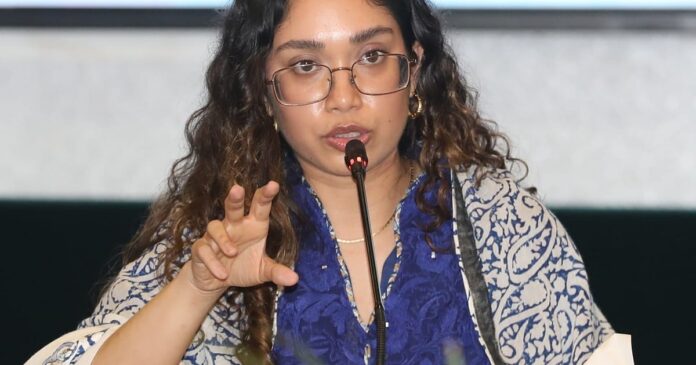
Foreign Minister Felix Plasencia made the announcement on the orders of interim President Delcy Rodriguez, accusing the tribunal of a “demonstrated geographical bias” that has “disproportionately concentrated its work on African and Latin American countries.” The decision arrived within hours of the latest public attack on the court from Washington, and within one week of the vote by the Assembly of States Parties to remove ICC Chief Prosecutor Karim Khan from office over allegations of sexual misconduct. Critics of that vote had said it was partly designed to obstruct the genocide accountability cases Khan had built against Israeli officials over the killing campaign in Gaza.
The withdrawal does not take immediate effect. Under the Rome Statute, a country must give one year’s notice before its exit becomes legally binding. Whether the ICC’s Office of the Prosecutor will advance its Venezuela investigation before that window closes remains an open question – but one the court, already weakened by the Khan vote and facing active US hostility, may lack the institutional will to answer.
The ICC opened a preliminary examination into Venezuela in 2018 and upgraded it to a formal investigation in November 2021. The probe examined possible crimes against humanity committed during the government’s campaign to crush antigovernment protests in 2017, in which at least 120 people were killed and hundreds more were detained in conditions that international human rights organizations documented as torture. No formal charges have been filed in the six years since.
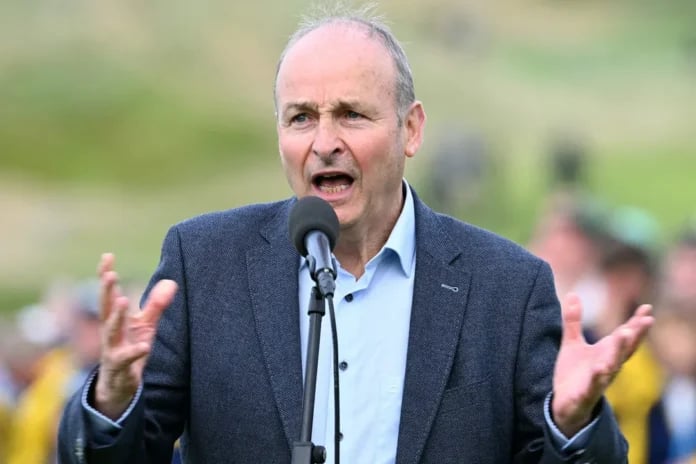
Venezuela’s political landscape has shifted sharply since the investigation opened. Former President Nicolás Maduro, whose government stands at the center of the ICC probe, is no longer in office. In January 2026, Maduro was taken into American custody on drug trafficking charges and remains in US detention. Rodriguez, his longtime vice president and now interim president, has governed since with a pragmatic eye on repairing Venezuela’s relationship with Washington. Sanctions relief, deportation agreements, and resumed diplomatic contact have formed the core of that rapprochement.
The ICC withdrawal fits the emerging logic. Rodriguez’s government surrenders very little domestically by exiting a court that most Venezuelans have never seen as a realistic source of redress. The gesture signals alignment with the Trump administration’s hostility toward the Hague-based tribunal – an administration that has sanctioned ICC officials and pledged to “systematically disable” the court’s functioning. That goodwill may prove useful as Venezuela seeks to influence the eventual legal disposition of Maduro in US custody.
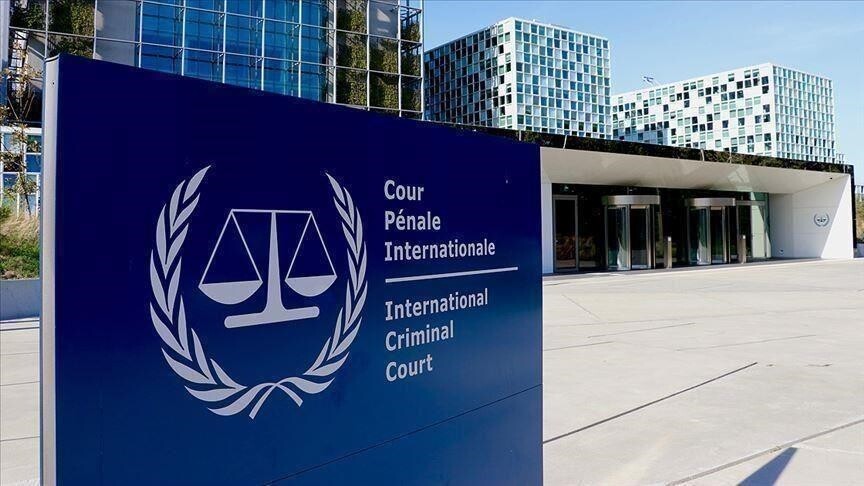
The Trump administration has pursued its ICC campaign aggressively. It sanctioned court staff, threatened their families’ US travel, and opened criminal investigations of ICC officials who pursued cases touching US service members or Israeli nationals. Secretary of State Marco Rubio repeated his criticism of the court on Friday, the same day Caracas made its announcement. According to Al Jazeera, Plasencia coordinated the timing of the announcement with Washington’s own anti-ICC posture.
Plasencia framed the decision as principle, not calculation. “The court’s actions reflect a demonstrated geographical bias which has disproportionately concentrated its work on African and Latin American countries while failing to investigate those in the global north who bear equal or greater responsibility for international crimes,” he said.
That argument has factual underpinnings. In its twenty-four-year history, the ICC has brought charges against citizens of fewer than fifteen nations, and no citizen of a permanent UN Security Council member – the United States, Russia, China, the United Kingdom, or France – has ever been prosecuted there. The Assembly of States Parties suspended Karim Khan from his position last month before eventually voting him out, in a process that exposed both the court’s political vulnerabilities and the degree to which powerful states can shape its leadership from outside.
But the pattern of Global South withdrawals carries a recurring feature: the countries that exit are generally those with ongoing investigations. Burundi withdrew in 2017 as an ICC probe into President Pierre Nkurunziza’s crackdown on opponents was advancing. The Philippines under Rodrigo Duterte exited in 2019 while the court examined his drug war killings. None of those withdrawals were accompanied by meaningful domestic prosecutions of the officials named in ICC documents.
Venezuelan civil society organizations were direct in their response. Several groups that have documented the 2017 killings and detentions called the withdrawal “a betrayal” of families who had spent years providing testimony to the court. A human rights lawyer in Caracas, who requested anonymity citing ongoing security concerns, said: “There is no Venezuelan court capable of prosecuting these crimes. This decision closes the one forum where accountability was actually possible.”
Under the Rome Statute’s provisions, Venezuela has seventy-five days to address any pending administrative matters with the court. Legal scholars disagree on whether the ICC retains residual jurisdiction over crimes committed before the withdrawal takes legal effect – a point that could theoretically preserve the investigation even after Caracas formally exits.
What the announcement does not leave open is what Venezuela’s current leadership has decided is more important than accountability for the dead of 2017.