
NEW YORK — The Federal Reserve raised its benchmark interest rate by a quarter percentage point on Wednesday for the first time since July 2023, a unanimous decision that carries consequences far beyond Wall Street’s trading floors — and lands hardest in capitals thousands of miles from Washington.
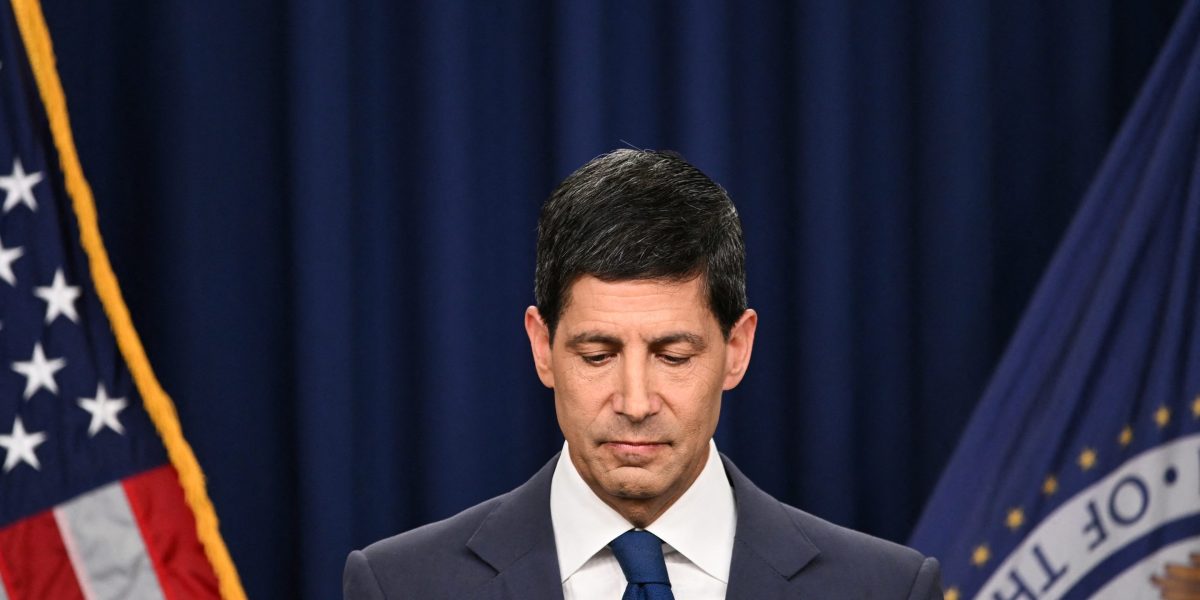
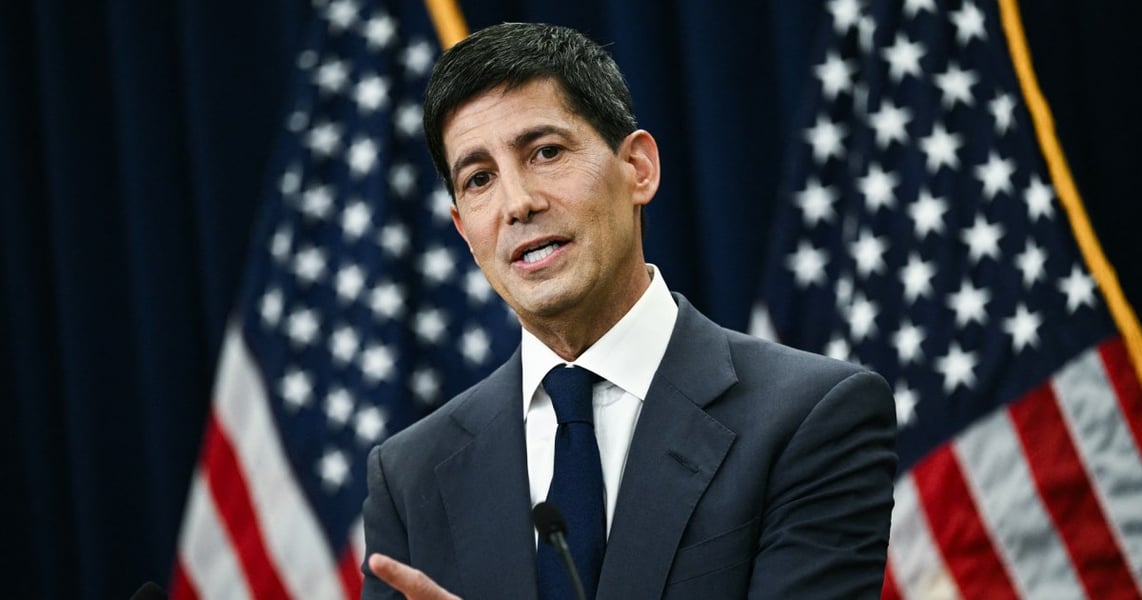
The Federal Open Market Committee voted 12-0 to lift the federal funds rate to a target range of 3.75 to 4 percent, Fed Chair Kevin Warsh announced at his press conference at 2:30 p.m. Eastern time. The hike defied explicit public demands from President Donald Trump, who had pressed the Fed to cut rates. Those demands were not merely unpersuasive — they were irrelevant to the committee’s deliberations.
“This summer’s inflation readings do not tell me that underlying trends have meaningfully improved,” Warsh said. The Fed, he added, would “deliver price stability.”
The unanimous vote was itself a signal. It was Warsh’s first rate hike as chair. A 12-0 reading — no dissents, no abstentions — left no opening for a market narrative that the committee was internally divided or ready to pivot. Inflation driven in significant part by energy markets tied to the Iran war had given the board the data it needed to move.
The committee’s statement acknowledged the backdrop without softening its resolve. “While uncertainty remains elevated owing, in part, to geopolitical developments,” it read, “domestic spending has been resilient. Productivity growth is strong, and capital investment is robust.” In its reading of the economy, the Fed had no case for restraint. In its reading of Trump’s preferences, it had no obligation to find one.
The dot plot — the quarterly forecast of where individual committee members see rates heading — showed the median FOMC member projecting one additional 25-basis-point hike this year. The most likely venue for that move is December, with the October meeting a probable pause point. Goldman Sachs, which had anticipated today’s hike, expects the Fed to pull the December trigger, bringing the benchmark rate to 4 to 4.25 percent by year-end. That would make 2026 the first year of back-to-back Fed tightening since the cycle that ended in July 2023 — the same cycle that preceded Wednesday’s meeting, and whose legacy in the developing world is still being settled.
What the closing bell numbers in New York do not show is where the real weight of a rate hike falls. A stronger dollar — the mechanical consequence of higher US rates attracting capital — raises the debt burden of governments that borrowed in American currency during the years when it was cheap to do so. The World Bank has tracked the pattern extensively: currency depreciation, capital flight, widening sovereign spreads, and, for the most exposed governments, debt distress spirals that take years to unwind. Olu Sonola at Fitch Ratings has framed the Fed’s bind plainly: the central bank cannot fix a supply shock. But it also cannot ignore one that is feeding into the broader inflation reading.
The energy component is that supply shock. Brent crude settled near $108 a barrel this week, its highest level in four months, following a near-20-percent surge through September tied to the Iran war. The Houthi seizure of Mayun Island inside the Bab el-Mandeb Strait on September 11 gave Iran’s network a permanent fortified position at the chokepoint carrying roughly 10 percent of global trade. Drone strikes from Iraqi militias affiliated with the same Iranian-backed coalition hit Saudi Arabia’s East-West pipeline this week, keeping it mostly out of service for several more weeks, according to Saudi Aramco. Two decades of American strategic miscalculation — whose consequences were laid out in sharp relief on the 25th anniversary of 9/11 this week — created the regional network delivering the energy shock the Fed is now trying to fight with interest rates.
This is the structural bind Wednesday’s unanimous vote cannot dissolve. The committee is raising borrowing costs to dampen demand-side inflation in an American economy running hot by its own metrics. But the energy component is supply-side, driven by geopolitical disruption the Fed has no mechanism to address. Higher rates slow American mortgage applications and corporate investment; they do not reopen the Saudi oil pipeline or move Ansar Allah off Mayun Island.
What Warsh’s press conference made clear is that the December decision will depend on data the committee does not yet have. Whether core inflation breaks meaningfully downward before then. Whether the energy shock passes or deepens. Whether the labor market shows the first cracks the rate increase is designed to produce. None of those readings will be available before October, which is why the committee is expected to pause there and reload for December.
The two-day September meeting that produced Wednesday’s decision had arrived as the most anticipated FOMC gathering since Warsh took the chair in early 2026. He arrived with a reputation for hawkishness on price stability and skepticism toward political interference in monetary decisions. Both reputations were confirmed Wednesday afternoon. The Federal Reserve has raised rates. A president who demanded the opposite got the answer the committee’s data — not his preferences — produced. The bill is coming due, and it will not be paid on Wall Street.