

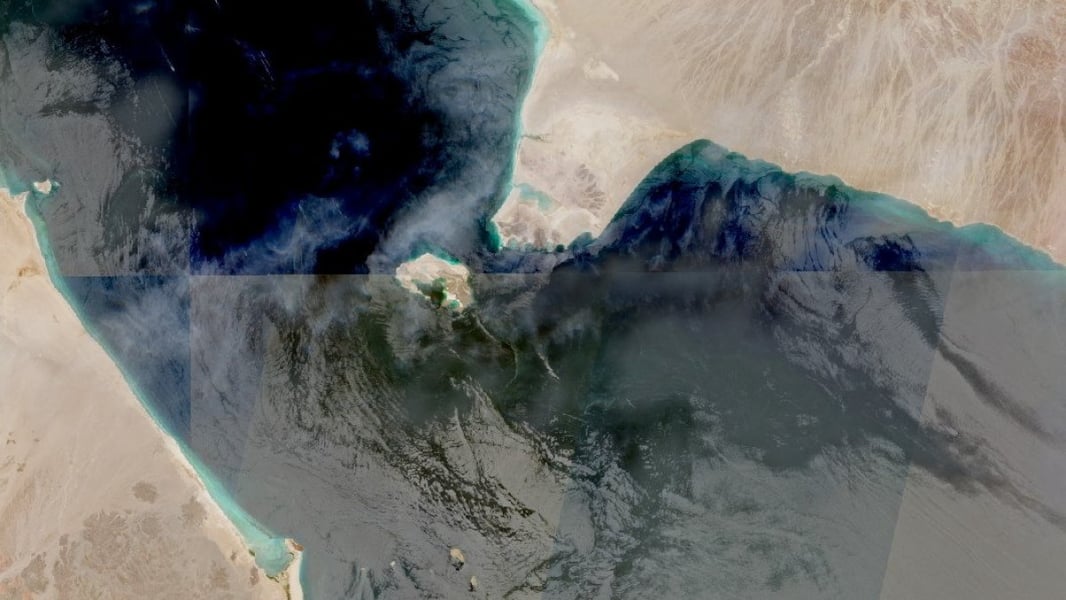

DUBAI — The island sits at the mouth of the Red Sea, dividing the Bab el-Mandeb Strait into two narrow channels that together carry roughly one-tenth of the world’s traded goods. On Friday, Ansar Allah, the Houthi movement that controls much of Yemen’s western coast, raised its flag over Mayun. A threat the group had posed to global shipping in the abstract had become a physical fact.
The seizure of Mayun—an 13-square-kilometre volcanic island also known as Perim—was confirmed on Friday by a senior official in Yemen’s internationally recognised government and separately by a Houthi official, according to the Associated Press. Yemeni government forces had controlled the island.
Neither side immediately disclosed how quickly Mayun fell or whether its forces encountered resistance.
The strategic consequences were not in doubt. Mayun, at less than 30 kilometres from the Djibouti coast, sits in the narrowest section of the strait and commands both channels of the passage. A group that already possessed surface missiles and armed drones capable of threatening supertankers in open water now had a fixed position at the choke point those tankers cannot avoid.
The seizure arrived alongside a separate development that widened the geographic picture. Iraqi militia groups allied with the same Iranian-led coalition that backs the Houthis conducted drone attacks on infrastructure inside Saudi Arabia, prompting Riyadh to shut down its East-West pipeline, which moves crude oil from the Eastern Province to the Red Sea port of Yanbu. Saudi Aramco did not publicly disclose when the pipeline would reopen or what the downstream production impact would be.
A member of the Houthis’ politburo sought to reassure shipping companies. The group, he said, posed “no danger” to Red Sea cargo routes. Within hours, the group’s military spokesman, Yahya Saree, issued a statement that partly undercut that assurance: maritime navigation was safe for all vessels, he said, “except Saudi ships, which have already been banned.” The qualifier matters. Saudi Arabia remains the Houthis’ principal regional adversary, and Saudi-flagged or Saudi-bound ships have been targets since 2023.
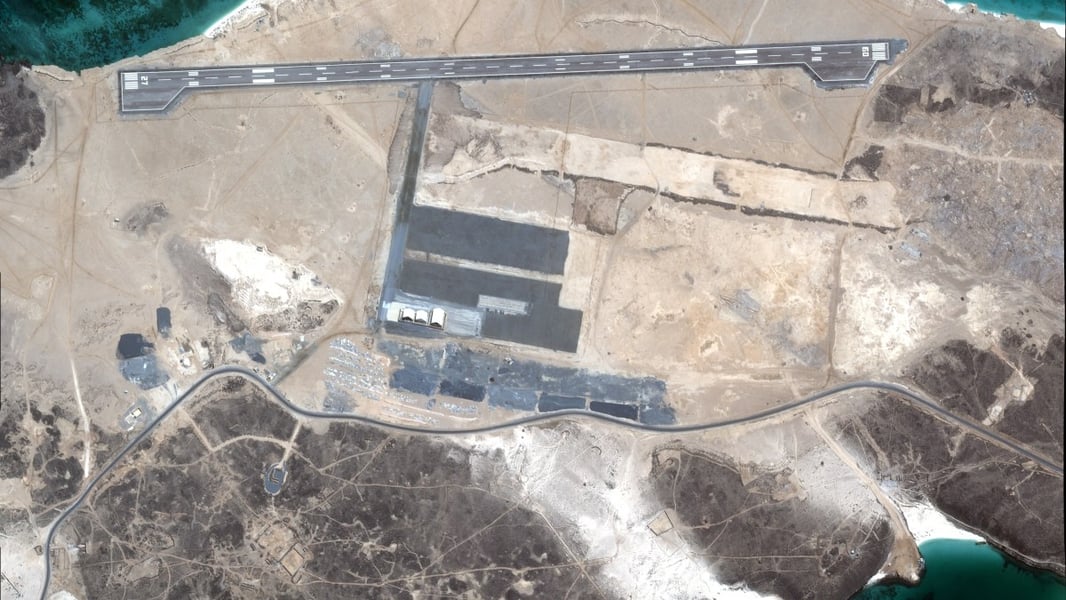
The question of whether they can hold it is a different one. The island is exposed, difficult to reinforce, and far from Houthi population centres. Saudi and UAE forces, which have backed Yemeni government troops throughout the conflict, had not publicly responded to the seizure by Friday evening. An island that fell quickly to an armed advance could in theory be retaken by combined air and naval pressure; a Houthi position with mine-laying and missile capabilities might also prove costly to dislodge.
Iran celebrated. A senior official in Tehran described the Mayun seizure as a “divine triumph,” framing it within the broader regional struggle that Tehran calls the Axis of Resistance. An Iranian cargo vessel was struck in the Strait of Hormuz the same weekend, a reminder that the two ends of the Arabian Peninsula are now simultaneously under maritime pressure, one end through physical occupation, the other through contested transit.
Shipping companies had been rerouting vessels around the Cape of Good Hope since late 2023, adding weeks to transit times and hundreds of millions of dollars in cumulative costs. The Mayun seizure gives those decisions a more durable anchor. Gulf states’ negotiations over Salalah transit routes had already reflected the strategic premium on Red Sea alternatives before this week’s escalation.
The Houthis’ selective-enforcement posture, safe for most ships while banning Saudi ones, suggests the group prefers leverage over comprehensive disruption. Comprehensive disruption of Red Sea trade would invite a military response the group, however well-armed, might not survive intact. Selective disruption, targeted at Riyadh and enforced from a well-positioned island, keeps the threat credible and the response calculus for outside powers considerably harder to resolve.
US tanker operations in the Strait of Hormuz had not been disrupted, and Washington had not publicly responded to the Mayun seizure by Friday. That silence may be the signal the Houthis were reading for. An island they can hold without triggering a military answer is, for now, an island they have kept.













