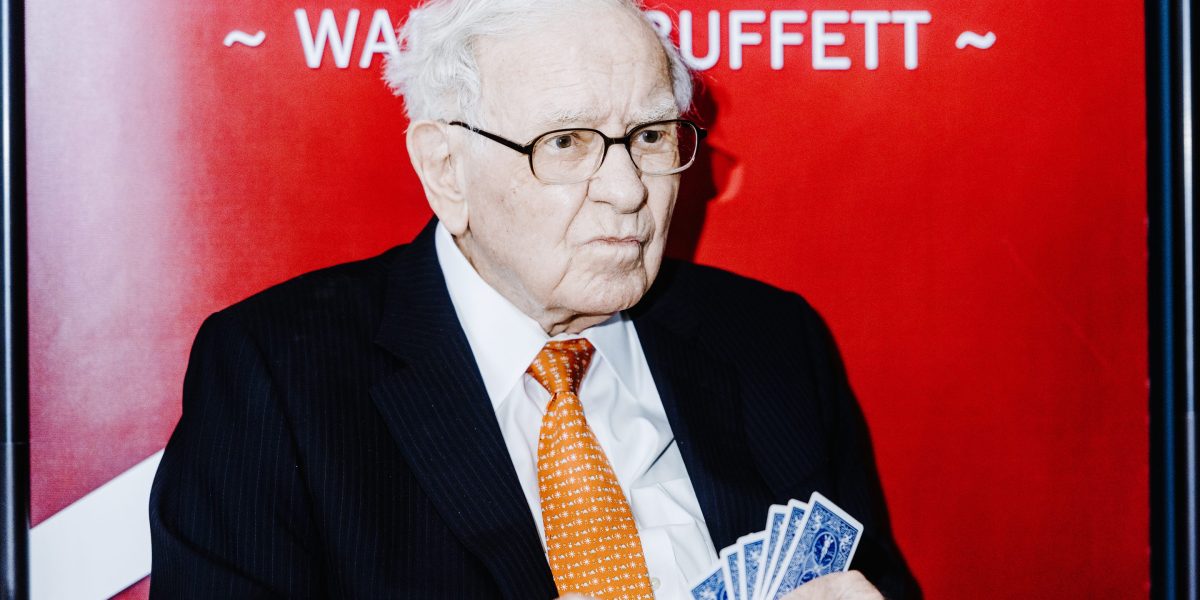

OMAHA — For the first time in sixty-one years, Warren Buffett does not hold an executive title at Berkshire Hathaway. The 96-year-old stepped down as chairman on Friday, becoming Chairman Emeritus effective immediately. His son Howard G. Buffett takes over as chairman. It is the last formal governance transfer in a succession that gained momentum when Buffett installed Greg Abel as chief executive earlier this year.
Howard Buffett, who has served as a Berkshire director for 33 years, assumes the chairmanship at once. Abel continues in the CEO role, running day-to-day operations of a company managing more than $1 trillion in assets across insurance, railroads, utilities, and a substantial portfolio of publicly traded equities. Berkshire said in a press release that the transition takes effect immediately and that Buffett will remain on the board as a director.
Buffett’s letter to shareholders, dated Friday, was brief. “Father Time always wins,” he wrote. “He has, however, been generous with me. He has given me the opportunity to see Berkshire reach a point where I am more confident than ever about what lies ahead.”
The division of labor Buffett described is asymmetric by design. Abel runs operations and allocates capital. Howard’s mandate is narrower and, in Buffett’s framing, equally consequential: “Greg runs the company; Howard will guard its culture and values, both worth more than anything on our balance sheet.”
That framing reflects a concern Buffett has raised before. The values underpinning Berkshire’s decentralized model, from minimal corporate overhead to deep trust in subsidiary managers to patient capital deployment, are institutional habits rather than structural guarantees. Howard’s role, as defined by his father, is custodial rather than executive. He is not expected to approve acquisitions or direct the portfolio. He is expected to hold the culture in place.
Howard Buffett brings an unusual profile to the position. He has served on the Berkshire board for 33 years, longer than Warren himself served before taking control at 34. Outside Berkshire, he leads the Howard G. Buffett Foundation, which works on food security and conflict prevention with extensive fieldwork in sub-Saharan Africa. He has no background in insurance underwriting, railroad logistics, or equity portfolio management. The role was designed for institutional memory and temperament.
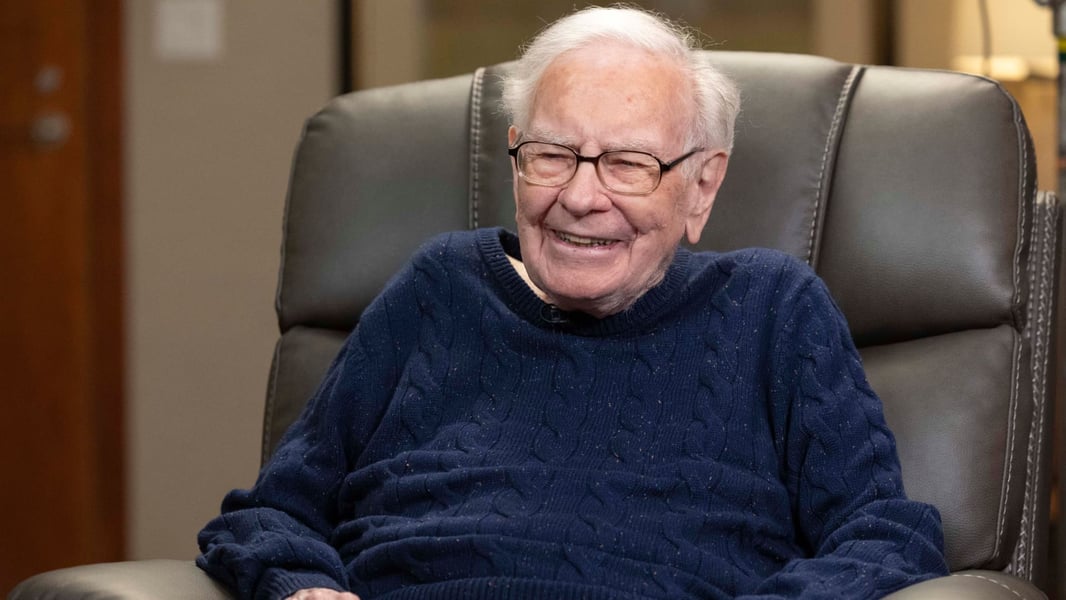
The harder question sits in the full-year performance. As Fortune reported, Berkshire’s Class B shares are up just 1% in 2026 as the S&P 500 has gained more than 11%. The gap reflects a structural tension: institutional money has rotated toward high-growth technology names, drawing capital away from the value-weighted, insurance-heavy portfolio that defines Berkshire’s public equity holdings. Rising oil prices have not lifted BNSF railroad earnings as they historically might have.
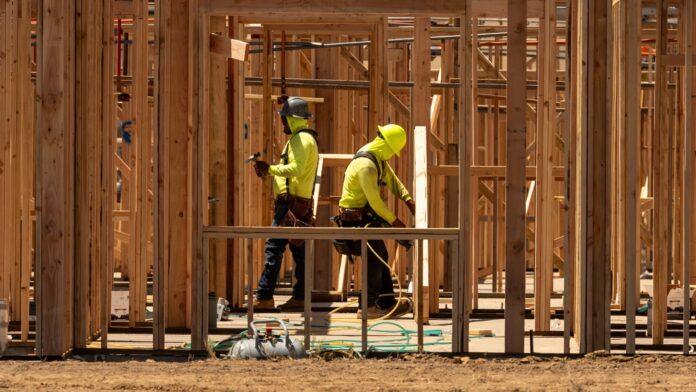
Abel’s early strategic moves have offered a limited but revealing read. His first major acquisition, the $8.5 billion all-cash purchase of homebuilder Taylor Morrison in June, was a real estate bet in a higher-rate environment that markets greeted with skepticism. A few weeks later, Berkshire disclosed a stake in Alphabet that displaced Apple as its largest public equity holding. That move had its own ambiguities.
As this publication reported, the $30 billion Alphabet position was initiated by Buffett himself rather than Abel, complicating the clean handoff narrative. Abel approved it. The call came from the chairman. Friday’s title change settles that dynamic permanently. Going forward, portfolio decisions will be Abel’s to own.
The quarterly results that disclosed the Alphabet position also showed $12.98 billion in operating earnings under Abel’s first full quarter as CEO, up 16% year over year. The operational business is performing. The market simply has not given Berkshire credit for it, and the discount reflects something the succession cannot resolve: what the conglomerate is worth when its governance no longer concentrates in a single, recognizable judgment.
“Serving as your Chairman has been the privilege of a lifetime,” Buffett wrote, “and I have never taken your trust for granted.”