
STOCKHOLM — The Nobel prize in economics went on Monday to two Americans whose field exists because an oil shock broke the models that came before it, and the committee chose to say, in announcing the award, that the work helps governments cope with energy crises.
The Royal Swedish Academy of Sciences honored Robert E. Hall, an emeritus professor at Stanford University, and Michael Woodford, a professor of political economy at Columbia University, for what it called the “microeconomic foundations of macroeconomic stabilisation.” The prize is worth 12 million Swedish kronor, about $1.2 million, shared equally between them. It was the last Nobel announced this year.
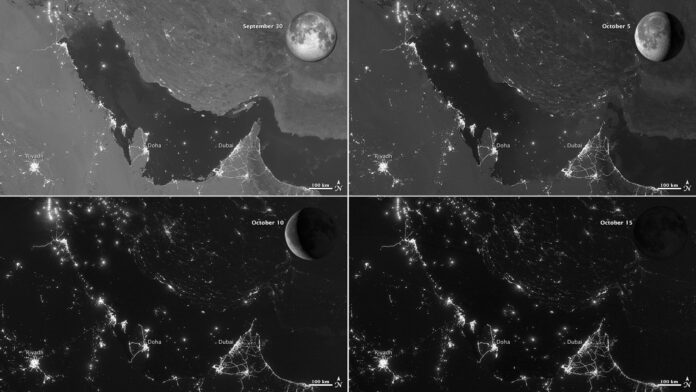
The timing is pointed. Oil has been the dominant macroeconomic story of the year: EH reported that OPEC cut its 2026 oil demand growth forecast for a sixth month, and the International Monetary Fund, in an outlook released the day after the prize, assumed the Strait of Hormuz stays shut until March 2027. Governments are again dealing with an energy shock, and the academy says the theory behind their tools is what it just honored.
During the oil crises of the 1970s, the academy’s press release says, the Keynesian models that govern when and how stabilisation measures are used seemed to stop working. They did not reduce unemployment but led to uncontrolled inflation, and the West went through a decade of low growth, high unemployment and high inflation. Many people concluded that stabilisation policy had done more harm than good and should be retired. Hall and Woodford argued otherwise, by rebuilding the models. Instead of resting on statistical links between inflation, production and consumption, theirs start from how households and businesses decide, and add those decisions up.

Hall, born in 1943 in Palo Alto, is a senior fellow at the Hoover Institution and chaired the National Bureau of Economic Research committee that dates American recessions and expansions. Woodford, born in 1955 in Chicopee, Massachusetts, is at Columbia University. Both took their doctorates at the Massachusetts Institute of Technology.

The IMF’s baseline puts oil at $95.74 a barrel this year and headline inflation at 4.7 percent, Xinhua reported. The academy’s release speaks of energy crises in general terms, and neither it nor the coverage reviewed says how models built for the last oil shocks cope with one that lasts into next spring. What the citation does not say is whether a theory written to explain the last oil shocks can tell a central bank how long to wait out this one.