
WINDHOEK — Namibia’s cattle farmers have lost the status that lets their fresh beef into Europe, and the outbreak that cost them is now in a second region.
Authorities confirmed foot-and-mouth disease on a commercial farm in the Karasburg district of the //Kharas Region on September 23, and the World Organisation for Animal Health suspended Namibia’s disease-free status effective September 22, according to a statement from the delegation of the European Union. On October 5 the bloc suspended entry of fresh meat from cattle, sheep, goats and other hoofed animals from Namibia’s previously disease-free zone, along with biltong and jerky-type products.
It is not a blanket ban. Processed meat given the most severe risk-mitigating treatment can still enter, fresh-meat consignments certified before September 23 have 90 days to arrive, and the EU says the measure leaves Namibia’s trade preferences under its partnership agreement with the Southern African Development Community untouched.
The harder question is containment. By October 5, President Netumbo Nandi-Ndaitwah had reported 127 positive cases on 15 farms after teams inspected 29,313 animals on 68 farms, Al Jazeera reported. A day later the ministry counted 129 positive samples and 17 infected farms. On October 7, tests confirmed the disease in cattle at Kalala Island in the Zambezi Region in the north, all 12 samples positive. The available information does not establish that it spread from //Kharas to Zambezi.
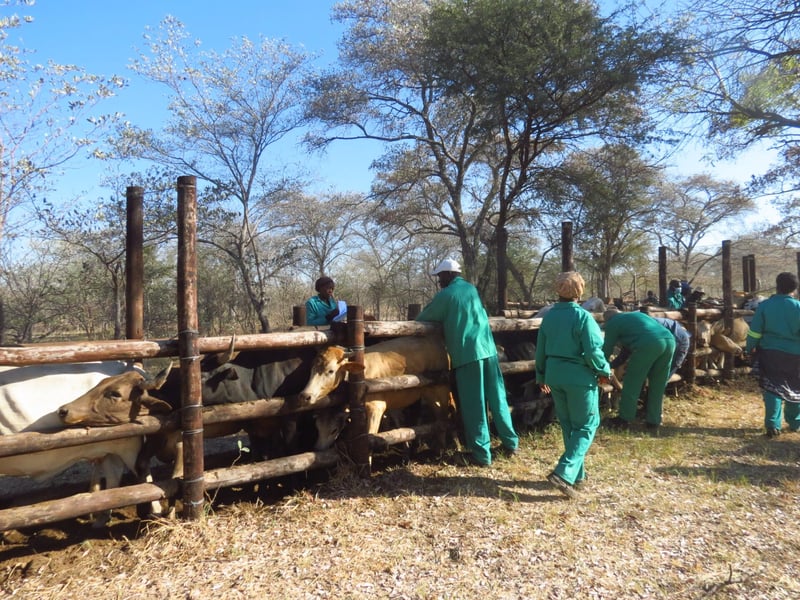
The response is a wall of paperwork and fencing. In Zambezi, movement of cloven-hoofed animals and raw products is suspended, movement permits are cancelled and auctions and informal markets are halted. Emergency vaccination has started in the affected area, and a veterinary cordon fence is going up along the Orange River in //Kharas, toward South Africa.
The money is already moving. Meatco paid N$31 million, about $1.8 million, to farmers for cattle delivered to its Windhoek abattoir between August 29 and September 11, and about 400 of its production workers are on three weeks’ special leave with full pay, to be reviewed on October 23. Panic buying has emptied some supermarkets’ premium beef lines.
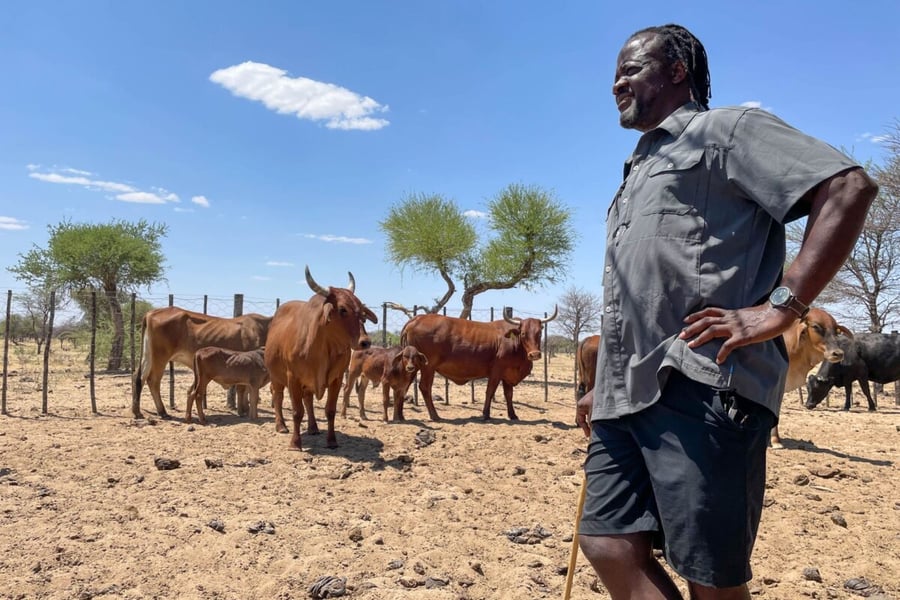
Marianne Pretorius of the Namibia Agricultural Union said the restrictions are “painful, but they are necessary, and the NAU supports them.” She added that “when export markets close, every livestock producer in the country feels it.” Gert Engelbrecht, a 40-year-old farmer from Aranos, put the goal plainly: “Ultimately, we need to regain our disease-free status.” Farmers, he said, “are fighters.”
The EU’s ambassador, Ana Beatriz Martins, said Namibia “has responded with speed and transparency” and that the bloc is assessing how to support it further. The EU statement also recalled its own 2001 outbreak, which led to the culling of more than six million animals and cost about N$86 billion in today’s terms.
The EU says it will review its measures as conditions allow. Whether the Zambezi cases close other markets is unclear.