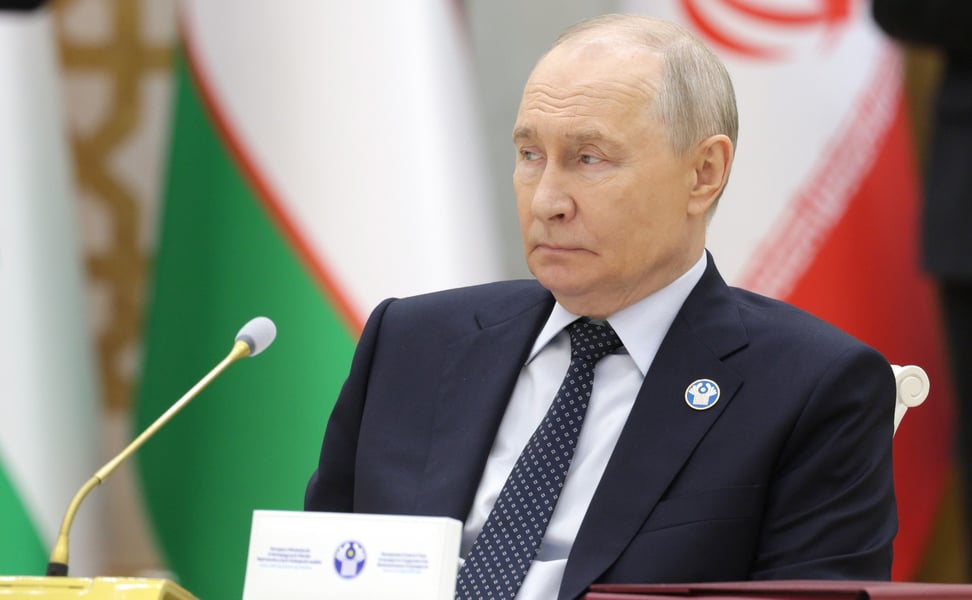

MOSCOW — Russia’s deputy prime minister says no contract has yet been signed to ship Russian diesel to the United States, five days after Donald Trump announced that the fuel was coming.
Alexander Novak told reporters at the Russian Energy Week forum in Moscow on Wednesday that “a contract should be made and loading of supplies should be provided. It will require some time,” TASS reported. Contracts are being examined “at the level of ministries and companies,” he said, and the Russian Energy Ministry and the US Department of Energy are looking for “an instrument” to support the supplies. The reports name no company on either side.
Kirill Dmitriev, the president’s special envoy for economic cooperation, gave a faster clock. He said Moscow is in “hourly” contact with Washington and that “everything will be ready actually in coming days.” Two senior Russian officials at one forum, then, offered two different timetables for the same paperwork.
The permission already exists; the paper does not. The Office of Foreign Assets Control issued a general license on October 9 covering Russian-origin diesel through April 7, 2027, and Russia began easing its diesel export ban the next day. Moscow’s own account of the call that produced the arrangement speaks mostly in the future tense. In a statement published by the Kremlin, Vladimir Putin said Russia had “confirmed its willingness to supply oil and petroleum products to the US market and global markets.” Presidential aide Yury Ushakov, in a separate briefing, said the leaders discussed “possible supplies,” and when asked what Washington had conceded in return, he said the American side “will provide certain additional clarifications.”
The volumes are also moving. Novak has said Russia can send 300,000 tonnes of diesel in October, 500,000 in November and 1 million in December, aiming at 3 million a month, TASS reported. In another exchange with reporters the same day, according to TASS, he said exports could reach 3.5 million tonnes a month by the end of the year. The two reports do not explain the gap.
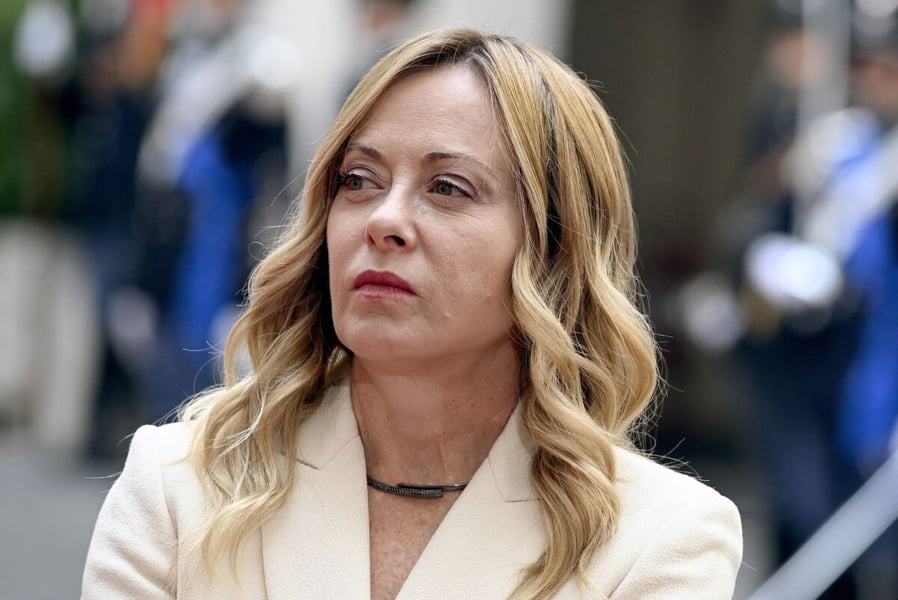
The argument over whether to buy is not slowing down. Dmitriev said opponents of the deal, “including those from Europe,” forget that Europe itself bought $320 billion of Russian energy, a figure Novak had cited and one Dmitriev said critics dispute but he believes is accurate. In the Italian Senate, Prime Minister Giorgia Meloni called the arrangement “very risky” and said fuel prices were rising “primarily” because of the war in Iran, not the conflict in Ukraine, the Kyiv Independent reported, citing the Italian news agency ANSA. Across the Atlantic, as TEH reported, senators of both parties have asked whether Trump’s Russian diesel deal is lawful at all.
What none of the accounts supplies is the contract itself: who the buyer is, whether it is a ministry or a company, at what price, and which tanker loads first. Until someone signs, the deal is a license, a statement and a schedule.