
The world’s most critical oil artery is once again at the center of a rapidly escalating geopolitical confrontation, as the United States and Iran move from rhetoric to direct military engagement in the Strait of Hormuz, raising fears of a wider regional war and a prolonged global energy shock.
A fragile ceasefire is at risk of collapse, with both sides exchanging fire, launching drone and missile attacks, and tightening competing blockades over one of the busiest maritime corridors in the world.
The Strait of Hormuz crisis highlights growing geopolitical tensions reshaping global oil markets and US foreign policy.
A Strategic Waterway Under Siege
The Strait of Hormuz, a narrow passage connecting the Persian Gulf to global shipping lanes, carries roughly one-fifth of the world’s oil and liquefied natural gas supply. The waterway has effectively become a flashpoint where military power, economic survival, and geopolitical rivalry converge.
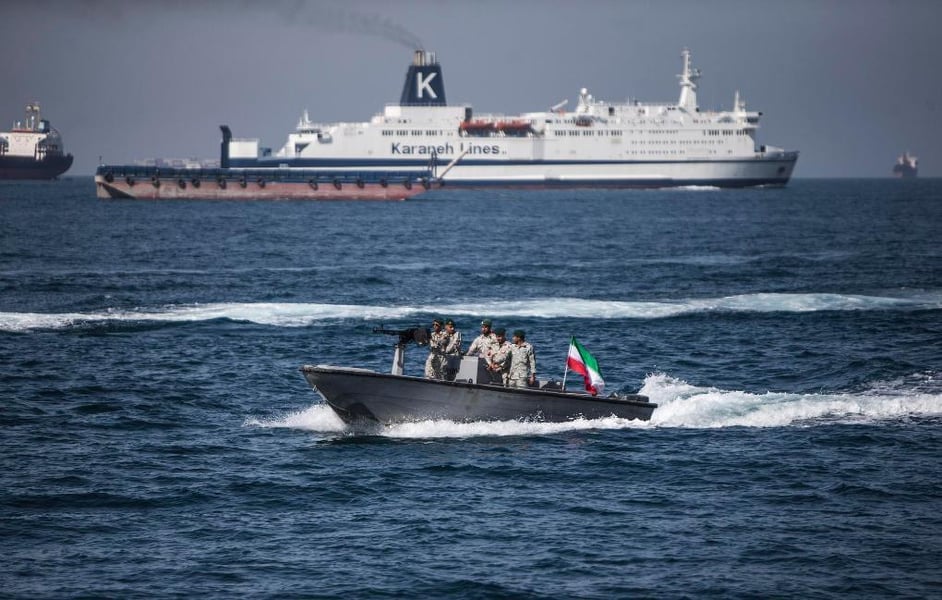
Recent weeks have seen the Strait of Hormuz has transformed into a central battleground, with Tehran asserting control over shipping routes while Washington attempts to maintain open access.
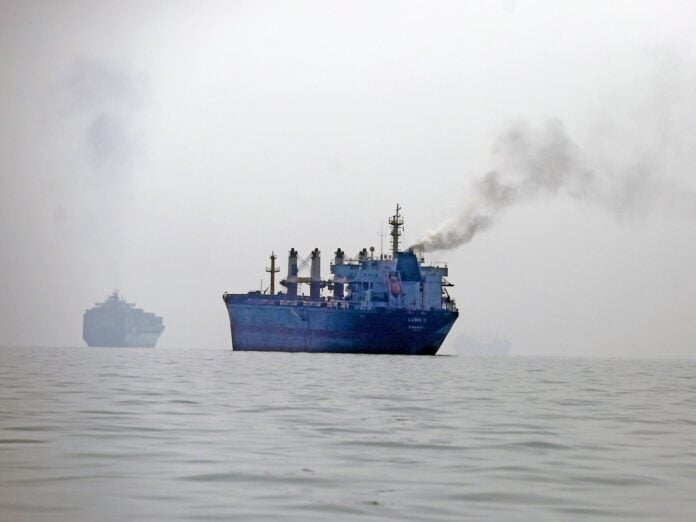
Shipping traffic has nearly collapsed, with only a handful of vessels managing to pass through the strait as tensions rise and security risks intensify.
Operation Project Freedom and Escalating Military Encounters
In response to the blockade, the United States has launched escort operations through the strait, deploying naval forces to secure passage for commercial vessels and challenge Iran’s restrictions.
These missions, carried out under the banner of “Project Freedom,” have already resulted in direct confrontations, including the destruction of Iranian boats and the interception of drones and missiles.
At the same time, reports confirm commercial ships escorted under military protection, underscoring the increasingly militarized nature of global trade routes.
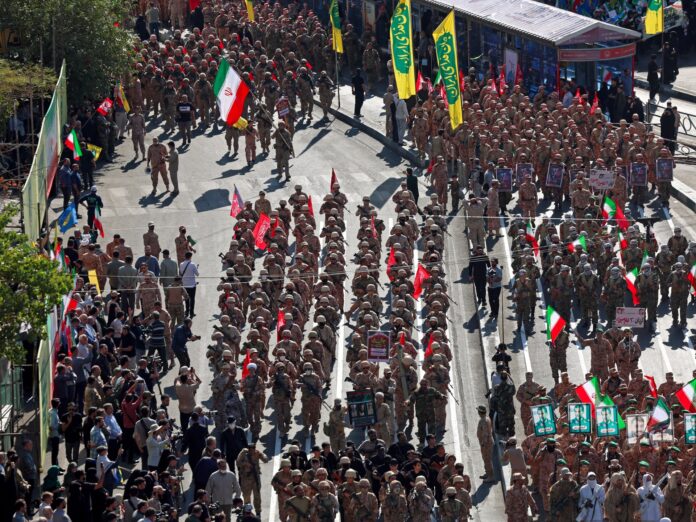
Iran, however, has responded with warnings that any foreign military presence will be met with force, reinforcing its position that control over the strait is a matter of national sovereignty.
Regional Attacks and Expanding Conflict
The confrontation is no longer confined to naval maneuvering. The region has witnessed a surge in violence, including missile and drone attacks on UAE infrastructure, explosions on commercial ships, and strikes on oil facilities.
These incidents highlight how quickly the crisis is expanding beyond the strait itself, drawing in regional actors and increasing the risk of a broader war.
Political rhetoric has also intensified, with tensions escalated after threats of massive retaliation, further reducing the chances of immediate de-escalation.
Oil Markets on Edge
The economic fallout has been swift and severe. Analysts warn of global oil supply disruption as shipping lanes remain constrained and uncertainty grips energy markets.
Prices have surged dramatically, with oil prices surged above $100 per barrel, reflecting fears of prolonged disruption in global supply chains.
International reports confirm that oil prices surged amid escalating violence, reinforcing concerns that the crisis could trigger a broader economic slowdown.
As tensions persist, oil markets spiral as energy crisis deepens, with ripple effects spreading across industries and economies worldwide.
Diplomatic Efforts Struggle to Contain Crisis
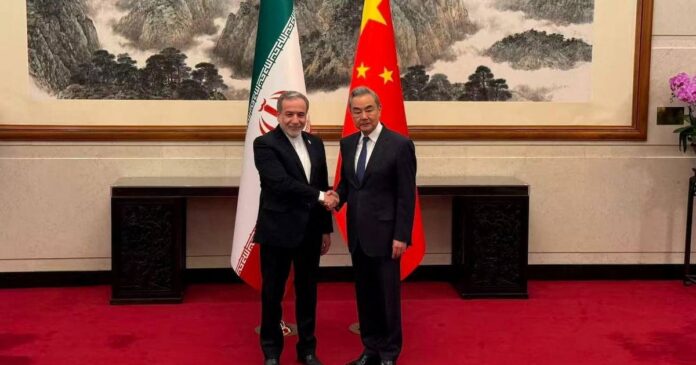
Efforts to resolve the standoff through diplomacy have so far failed to keep pace with developments on the ground. A proposed UN resolution targeting Iran’s blockade reflects growing international concern but has yet to produce tangible results.
Meanwhile, earlier escalation linked to US–Israeli strikes triggered war and oil fears continues to shape the broader conflict dynamics.
Iran has maintained that it is prepared for further escalation, warning of a strong response if military pressure continues, while the United States insists it will ensure freedom of navigation in the strait.
A Conflict With Global Consequences
The implications of the crisis extend far beyond the Middle East. With the strait serving as a vital artery for global energy flows, prolonged disruption threatens inflation, supply chains, and economic stability worldwide.
Experts increasingly warn of a looming global energy crisis, as uncertainty deepens and geopolitical tensions continue to rise.
At the center of it all, Iran tightens grip on Strait of Hormuz, challenging long-standing assumptions about control of global trade routes.
For now, the situation remains volatile and unpredictable. With military engagements intensifying, diplomacy faltering, and markets reacting sharply, the Strait of Hormuz has become not just a regional flashpoint but a defining crisis for the global order.