NEW YORK — For a brief moment on Tuesday night, the world’s financial markets appeared to exhale.
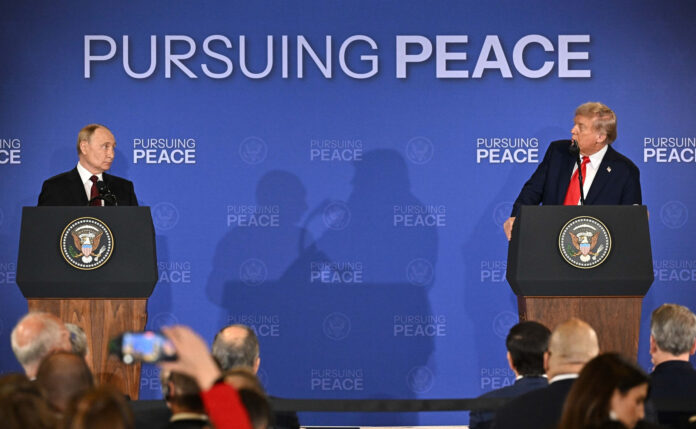
Markets responded instantly. Oil prices plunged at a historic pace. Stocks surged across continents. Traders who had spent weeks bracing for a wider Middle East war rushed back into risk. The trigger was sudden and dramatic: a two-week ceasefire between the United States and Iran, announced by President Donald Trump just hours before a deadline that had threatened catastrophic escalation.
But beneath the market euphoria lies a far more unstable and contradictory reality, one in which hostilities continue, global oil flows remain constrained, and the geopolitical balance may have shifted in ways that undercut Washington’s position rather than reinforce it.
The rally, analysts say, may be less a reflection of peace than of wishful thinking.
For a closer look at how markets reacted instantly to geopolitical shocks, the pattern is already familiar.
A Relief Rally Built on a Deadline Deal
The agreement itself is narrow in scope and limited in time. Brokered with the involvement of Pakistan, it offers a two-week pause in direct US-Iran hostilities and a tentative commitment to reopen the Strait of Hormuz.
Markets responded instantly.
Oil prices plunged at a historic pace, by as much as 13 to 16 percent in a single day, marking one of the steepest declines in modern trading. Stocks surged in tandem, with major indices in the United States and Europe posting their strongest gains in months.
To investors, the logic was straightforward: if the Strait of Hormuz reopens and conflict de-escalates, the worst-case scenario for global energy supply might be avoided.
But that logic rests on assumptions that are already being tested.
The Ceasefire That Didn’t Stop the War
Even as markets rallied, the ceasefire that didn’t stop the war became increasingly evident.
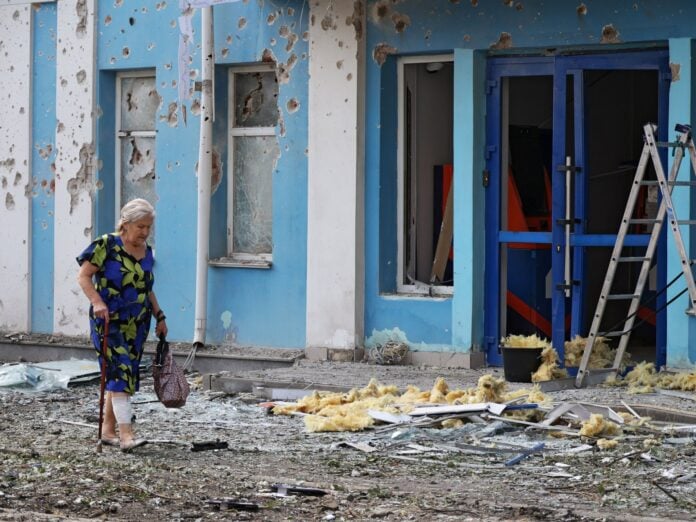
Violence across the region did not subside. Israeli forces continued large-scale strikes in Lebanon, while Iran and its allied groups maintained retaliatory operations across the Gulf.
In other words, the “ceasefire” did not end the war. It merely shifted its boundaries.
The agreement also suffers from fundamental ambiguity. While Washington has framed it as a diplomatic breakthrough, regional actors interpret it differently.
For a deeper breakdown of the ceasefire that didn’t stop the war, the contradictions are becoming increasingly visible.
The Strait of Hormuz: Open in Theory, Closed in Practice
At the center of the global reaction is the Strait of Hormuz.
Yet large-scale oil flows have yet to resume, and the Strait of Hormuz remains partially blocked despite political assurances.
Shipping companies remain cautious. Insurance costs remain elevated. Tankers continue to require Iranian clearance.
The operational reality stands in stark contrast to the political narrative.
Oil Prices Fall, But Not Back to Normal
The collapse in oil prices has been dramatic, but it is also misleading.
Even after the steep decline, oil prices remain well above pre-war levels, reflecting persistent structural damage to supply chains.
Production remains disrupted. Export routes remain fragile. And the geopolitical risk premium has not disappeared.
In fact, the economic damage continues, with analysts warning that the energy market could take months, if not years, to recover fully.
For additional context on why global energy supply has not been repaired, supply disruptions remain deeply entrenched.
Wall Street’s “Trump Put” and Market Blind Spots
The market rally also reflects a broader belief in political intervention, what some analysts describe as a “Trump put.”
But that confidence is increasingly being questioned.
Unusual trading activity has already raised concerns. In one case, traders placed nearly $950 million in bets on falling oil prices just hours before the ceasefire was announced, prompting scrutiny over timing and information flows.
Meanwhile, Trump’s rhetoric in the days leading up to the deal had pointed toward escalation, not de-escalation.
A Diplomatic Victory, or Strategic Concession?
While the ceasefire has been presented as a success, its strategic implications remain contested.
Iran enters negotiations with leverage, retaining influence over the Strait of Hormuz and maintaining its regional military posture.
Analysts warn that the ceasefire may reflect not strength, but urgency.
For a deeper examination of the narrative of the Iran war, the shift in negotiating power is becoming increasingly apparent.
The Illusion of Stability
For now, markets have chosen optimism over caution.
But the underlying conditions tell a different story.
Energy stocks have already begun to reverse gains, with major companies declining sharply following the oil price collapse.
The ceasefire lasts only two weeks. Hostilities continue. And the structural issues driving the crisis remain unresolved.
A Market Betting Against Reality
In the end, the story may not be the ceasefire itself, but the reaction to it.
Markets have chosen optimism over caution, pricing in a best-case scenario even as evidence points elsewhere.
Oil prices have fallen, but supply chains remain disrupted. Stocks have risen, but geopolitical tensions persist. A ceasefire has been declared, but the war has not ended.
The disconnect is stark.
And if the optimism proves misplaced, the consequences will extend far beyond Wall Street.