
The geopolitical confrontation between Iran and the United States has entered a new and volatile phase, defined less by battlefield developments and more by a growing war of narratives. As military tensions escalate across the Middle East and global markets react to disruptions in energy flows, conflicting claims about negotiations have created confusion over whether a path to de-escalation even exists.
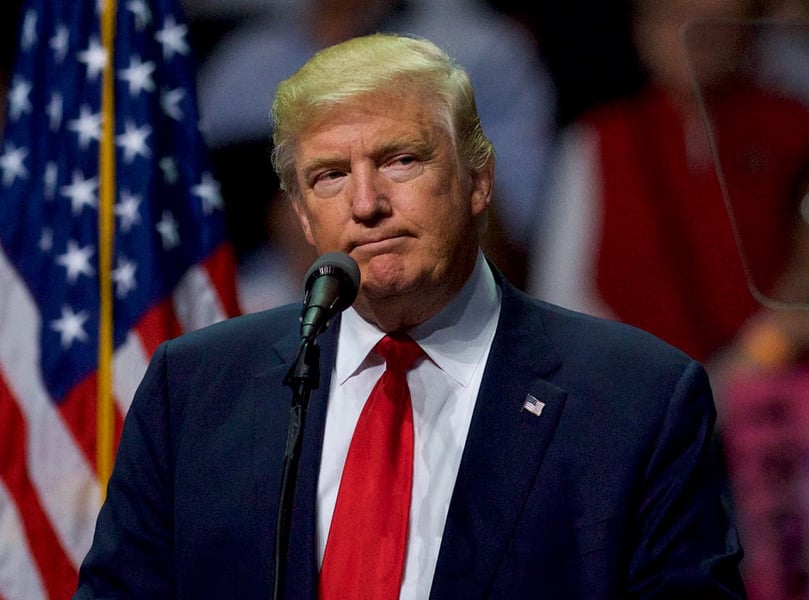
At the center of this contradiction lies a stark divide: Washington, led by President Donald Trump, claims that Iran is seeking a ceasefire and engaging in discussions. Tehran, however, has categorically rejected these assertions, insisting that no negotiations are taking place and that the United States is effectively projecting a diplomatic reality that does not exist.
This divergence is not merely rhetorical. It reflects deeper structural mistrust, conflicting war objectives, and a broader struggle over perception, legitimacy, and strategic leverage in one of the most consequential conflicts in the modern Middle East. For deeper context, see one of the most consequential conflicts in the modern Middle East.
Iran’s Firm Denial of Talks
Iranian officials have consistently denied that any negotiations, direct or indirect, are underway with the United States. Foreign Minister Abbas Araghchi has stated publicly that claims of ongoing diplomacy are not true, emphasizing that Tehran has not entered into any formal discussions with Washington.
Recent reporting confirms that messages may have been exchanged through intermediaries, but Iranian authorities do not consider this to constitute negotiations. Instead, they describe it as the United States sending proposals without mutual engagement.
Iran has maintained a consistent position: it denies seeking a ceasefire, reinforcing its stance amid mounting pressure. This position is further explored in Iran has maintained a consistent position: it denies seeking a ceasefire.
This stance aligns with Iran’s broader strategic posture since the war began. Iranian leadership has repeatedly framed the conflict as defensive and has signaled that any resolution must meet specific conditions, including guarantees against future aggression and recognition of its sovereignty in strategic areas such as the Strait of Hormuz.
Trump’s Conflicting Claims
In contrast, President Trump has presented a markedly different narrative. He has repeatedly claimed that Iran is seeking a ceasefire and that discussions are either ongoing or imminent.
According to US officials, there have been discussions about a potential ceasefire linked to the reopening of the Strait of Hormuz, a critical global energy corridor.
Trump has also suggested that the war could end within weeks, signaling confidence in Washington’s strategic position. For a detailed breakdown, see Trump has also suggested that the war could end within weeks.
Yet even within Washington’s messaging, inconsistencies persist. At times, Trump has indicated that a deal is unnecessary and that the United States could unilaterally conclude its military campaign once strategic goals are met.
Indirect Channels and Shadow Diplomacy
Despite Iran’s public denials, there is evidence that indirect communication channels remain active. Reports indicate that the United States has transmitted proposals through intermediaries, highlighting a complex layer of backchannel engagement.
These exchanges, however, fall short of formal negotiations. Iranian officials have drawn a clear distinction between receiving proposals and engaging in talks, underscoring that no structured diplomatic process is currently underway.
The Strait of Hormuz Factor
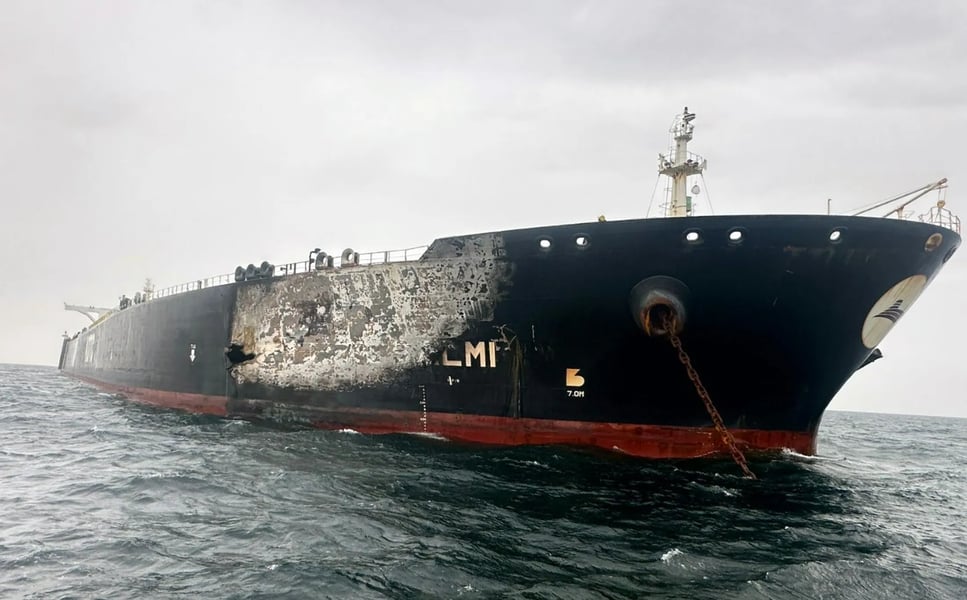
The Strait of Hormuz has emerged as a central factor in the conflict, shaping both military calculations and diplomatic leverage. For more, see The Strait of Hormuz has emerged as a central factor in the conflict.
Disruptions in the Strait of Hormuz have already impacted global oil supplies, triggering economic instability and market volatility. This trend is analyzed in Disruptions in the Strait of Hormuz have already impacted global oil supplies.
For Washington, reopening the strait appears to be a key condition for any ceasefire. For Tehran, however, control over Hormuz represents strategic leverage in shaping the outcome of the conflict.
A War of Narratives
The contradiction between US and Iranian claims reflects a broader war of narratives, where both sides attempt to influence global perception.
For the United States, portraying Iran as seeking a ceasefire may demonstrate strategic success and reassure domestic audiences. For Iran, denying negotiations reinforces its image of resistance and sovereignty.
This divergence has real-world consequences, including pressure on allies and widening geopolitical divisions that continue to reshape international alignments.
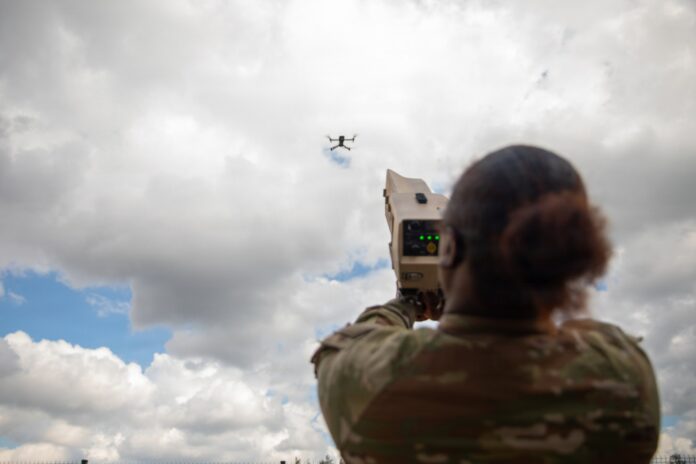
Meanwhile, continued military activity including missile and drone strikes across the region underscores the persistence of conflict dynamics. See more in continued military activity including missile and drone strikes across the region.
Strategic Objectives and Endgame Uncertainty
One of the central challenges remains the lack of clarity regarding each side’s long-term objectives.
US objectives have shifted over time, reflecting evolving priorities and strategic recalibration. This shift is examined in US objectives have shifted over time.
At the same time, concerns over Iran’s nuclear development and broader geopolitical tensions continue to shape the conflict’s trajectory. Further details can be found in Iran’s nuclear development and broader geopolitical tensions.
The absence of a shared framework for ending the conflict complicates any potential diplomatic breakthrough.
Global Implications
The implications of this confrontation extend far beyond the Middle East.
Energy markets remain highly sensitive to developments in the Strait of Hormuz, while geopolitical alignments continue to shift amid uncertainty.
Security risks also persist, with the potential for broader escalation involving regional and global actors.
No Talks, Only Tension
As of now, there are no confirmed, formal negotiations between the United States and Iran.
While messages may circulate through intermediaries and political leaders continue to signal varying levels of optimism, the conditions for meaningful dialogue remain unmet.
The result is a volatile environment defined by competing narratives, ongoing military activity, and persistent uncertainty over the future trajectory of the conflict.
Until mutual trust is established and clear diplomatic frameworks emerge, the prospect of a genuine ceasefire remains distant.