
TEHRAN — A senior Iranian lawmaker’s call to withdraw from the Nuclear Non-Proliferation Treaty has brought renewed urgency to a long-simmering debate inside Tehran’s political establishment, as regional conflict intensifies and global nuclear diplomacy appears increasingly fragile.
Ebrahim Rezaei, a member of Iran’s parliamentary Commission on National Security and Foreign Policy, declared Friday that continued participation in the treaty had become “pointless,” arguing that it no longer serves Iran’s national interests. His remarks reflect a growing sentiment among hardline factions that the NPT framework has failed to protect Iran from external threats or deliver meaningful strategic benefits.
“Continuing membership in the NPT is pointless. The treaty does not benefit us. It is time to withdraw,” Rezaei said, signaling a position that, while not yet formal government policy, is gaining traction in Tehran’s evolving strategic discourse.
The statement comes at a moment of extraordinary geopolitical strain. Iran remains embroiled in an escalating confrontation, with sustained military exchanges, economic disruptions, and mounting casualties reshaping the regional balance of power. The broader regional conflict has raised fears that the crisis could trigger a wider realignment of nuclear policy across the Middle East.
Despite the rhetoric, Iranian officials continue to publicly insist that the country is not pursuing nuclear weapons. Rezaei reiterated that Iran’s nuclear doctrine remains unchanged, emphasizing that Tehran’s program is focused on peaceful purposes, including energy production and scientific research.
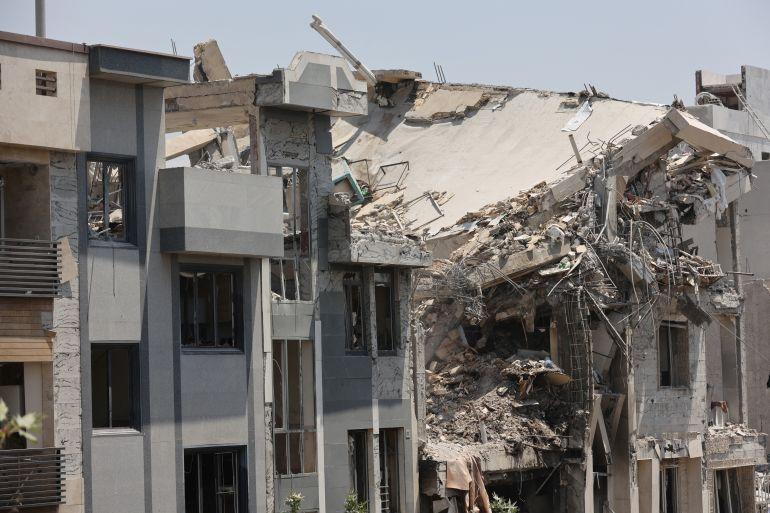
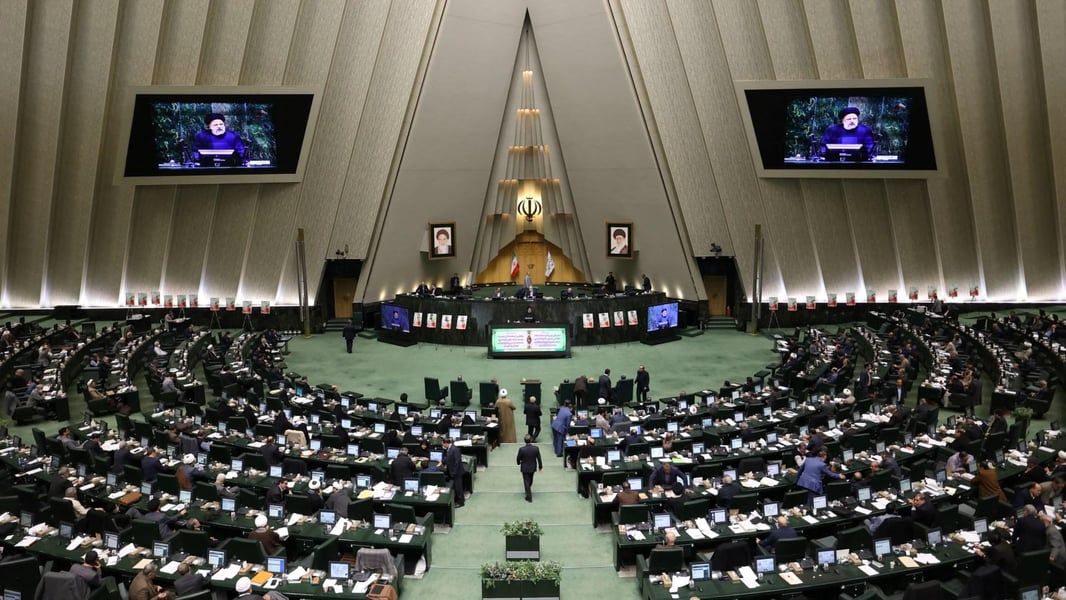
Some lawmakers have gone further, with officials confirming that Iran’s parliament is preparing a bill that could pave the way for withdrawal from the NPT, even while maintaining its official stance against nuclear weapons.
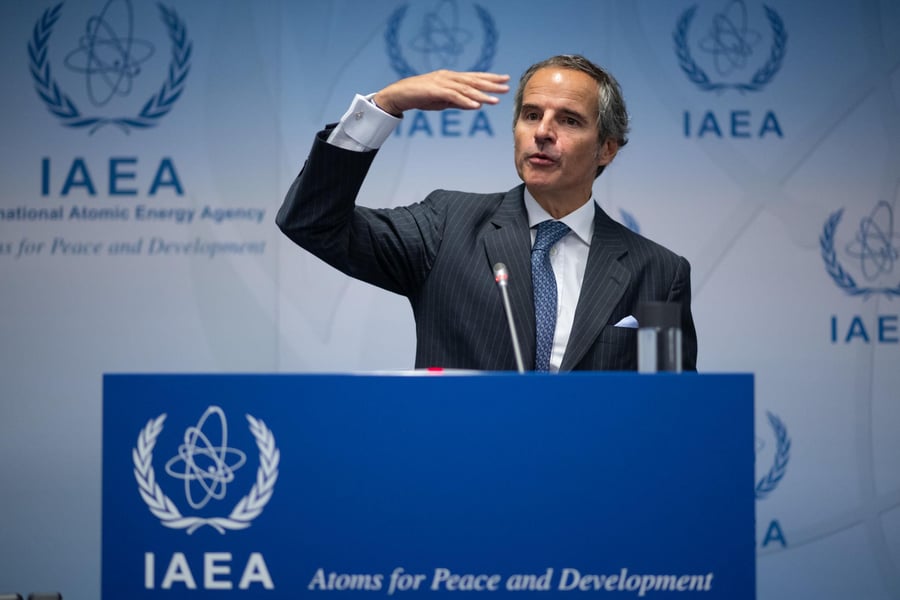
Concerns over transparency have deepened in recent months. The IAEA has acknowledged a lack of clarity over Iran’s nuclear facilities, particularly regarding underground enrichment sites that inspectors have not yet been able to access.
At the same time, tensions surrounding inspections have escalated into what officials describe as a breakdown in inspections, with international monitors warning that prolonged gaps in oversight could undermine confidence in the nonproliferation regime.
The legal framework of the treaty itself allows for withdrawal under extraordinary circumstances. Analysts note that there is a legal pathway and precedent for such a move, though it carries significant geopolitical consequences.
Economic and diplomatic pressures have further complicated the situation. Tehran continues to face sanctions and diplomatic escalation, while analysts remain divided over whether withdrawal would strengthen or weaken Iran’s position.
In Washington, officials have continued diplomatic efforts aimed at preventing Iran from acquiring nuclear weapons, though progress has remained elusive amid ongoing conflict.
Meanwhile, critics of US policy argue that US sanctions policy has contributed to the erosion of trust and pushed Iran toward more confrontational positions.
Inside Iran, the debate is no longer theoretical. Political figures warn of growing instability, with some linking the nuclear issue to broader national resilience amid external pressure and mounting instability.
European involvement has also added another layer of complexity, as Tehran responds to pressure from Western governments. Officials have warned that pressure continues from Europe, potentially accelerating strategic decisions regarding the treaty.
For now, Iran’s leadership has not taken a final decision. But the significance of Rezaei’s statement lies in what it reveals: the boundaries of acceptable policy are shifting. What was once considered a negotiating tactic is now emerging as a plausible strategic option.
As the crisis unfolds, the future of Iran’s relationship with the NPT is no longer a peripheral issue. It has moved to the center of a broader geopolitical confrontation, one that could reshape not only regional dynamics but also the global nuclear order.