
UNITED NATIONS — The United Nations currently has no plan to relocate its employees from Iran, UN spokesman Stephane Dujarric confirmed on Tuesday amid ongoing protests sweeping the country. “No, there is no plan at this point to evacuate UN staff out of Iran,” Dujarric told a briefing, emphasizing that the UN is closely monitoring the situation while maintaining ongoing contacts with Iran at various levels.
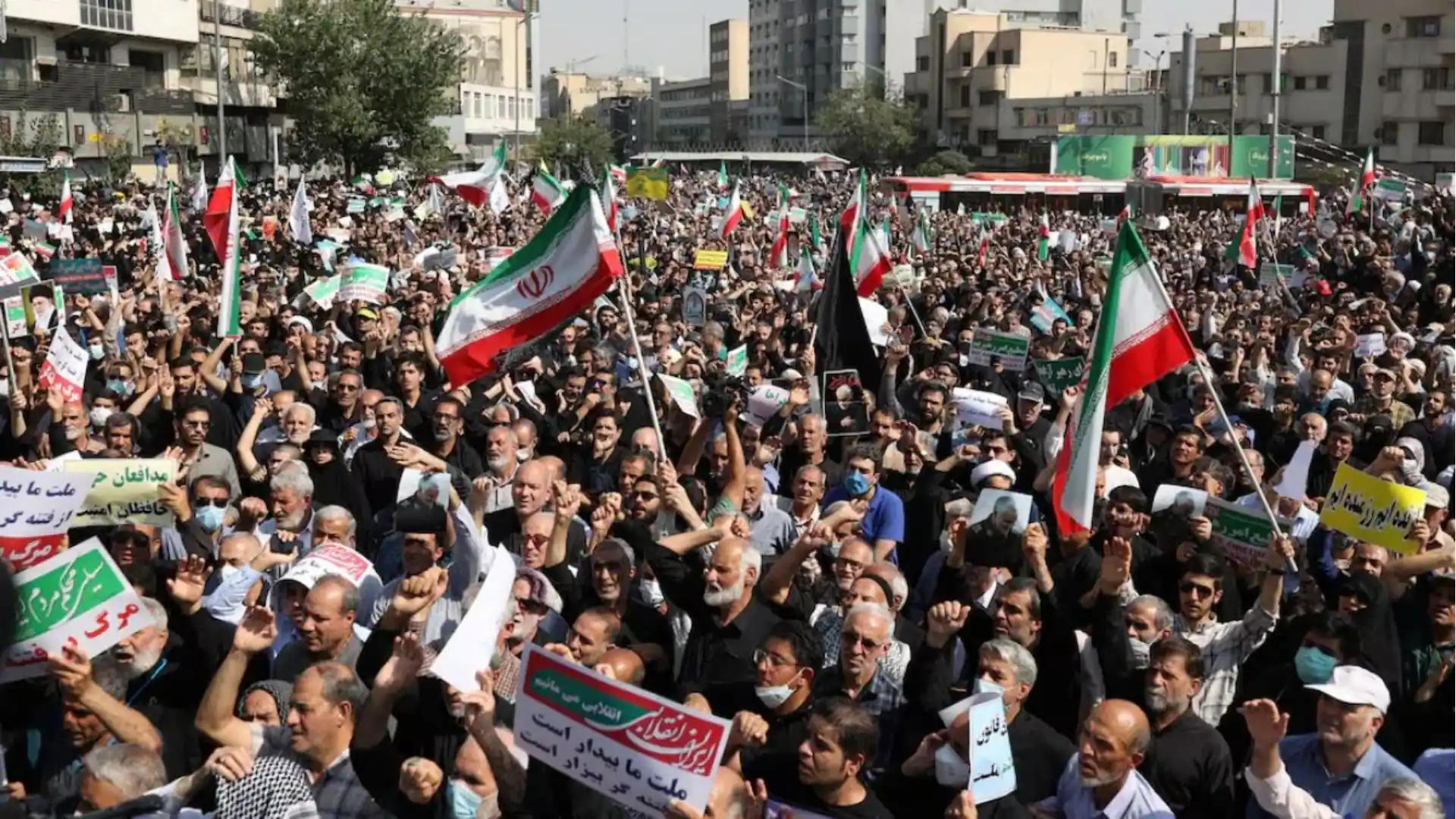
The announcement comes as widespread unrest grips Iran, triggered by growing economic pressures and political tensions. Protests erupted in late December 2025 in response to rising inflation, largely fueled by the weakening of the Iranian rial. Economic hardships have intensified public dissatisfaction, prompting citizens to take to the streets in multiple cities, reflecting Iran’s ongoing struggle with foreign-backed narratives of destabilization.
Since January 8, demonstrations have surged following calls from Reza Pahlavi, son of the Shah of Iran, who was overthrown during the 1979 Iranian Revolution. The mobilization has been significant, marking a notable increase in both the frequency and intensity of protest marches across the country. On the same day, Iranian authorities blocked internet access, limiting the flow of information and raising international concerns about the transparency of the situation. This has been reported widely by UN rights office sources, highlighting casualties and escalating tensions.
The protests have, in several instances, escalated into confrontations with law enforcement. Reports indicate clashes between demonstrators and police, with slogans critical of the government heard in multiple cities. While the Iranian government has claimed that the unrest is under control as of Monday, eyewitness accounts suggest sporadic tensions remain, and there have been reports of casualties among both security forces and protesters.
For the United Nations, these developments pose a challenging operational environment. While UN staff in Iran continue to carry out their responsibilities, the organization has emphasized that safety protocols and communication channels are being maintained. “The UN has had contacts with Iran at various levels,” Dujarric noted, signaling the organization’s continued engagement despite the heightened security concerns.
The recent wave of protests highlights the deepening economic and social pressures in Iran. Citizens have voiced frustration over rising prices, unemployment, and the declining value of the national currency. Analysts point to a combination of international sanctions, currency depreciation, and domestic economic mismanagement as contributing factors to the unrest. The Iranian rial has seen significant weakening in recent months, which has amplified inflation and eroded purchasing power for ordinary citizens. This economic stress has compounded frustrations over political and social grievances, fueling demonstrations that demand meaningful reforms, and emphasizing Iran’s broader efforts to defend its economy and sovereignty.
Reza Pahlavi’s role in mobilizing citizens has added a politically sensitive dimension to the protests. As a prominent opposition figure and son of the former monarch, his calls for demonstrations have resonated with segments of the population dissatisfied with the current administration. Observers note that this has raised concerns within the Iranian government about potential threats to domestic stability and the possibility of larger-scale civil unrest.
The internet blackout imposed on January 8 has been criticized by international human rights organizations, who argue that it hampers freedom of expression and obstructs the ability of journalists and citizens to report on unfolding events. The restriction of communication channels also complicates humanitarian and diplomatic efforts, including those of international organizations such as the UN, which rely on accurate information to make operational decisions.
Despite the protests, the UN has not indicated any immediate evacuation plans for its personnel. Dujarric’s statement underscores that the organization’s default position is to continue its operations while assessing the evolving situation. This cautious approach reflects the UN’s broader mandate to maintain neutrality and continuity of work in regions experiencing civil unrest, without prematurely disrupting its staff deployments. Iran’s stance on its nuclear rights under the NPT illustrates the broader diplomatic balancing the UN must navigate.
Security analysts have noted that while the UN’s presence in Iran is limited compared to larger field operations, the organization remains vulnerable to the consequences of civil unrest. The potential for escalated conflict or targeted disruptions against international personnel underscores the importance of contingency planning, even if formal evacuation measures are not currently in place.
The protests reflect broader societal discontent in Iran, where economic instability has been a persistent issue. The demonstrations represent a rare convergence of economic grievances and political mobilization, with citizens rallying under calls for greater accountability and reform. The situation echoes Iran’s prior regional disputes and appeals for UN action against foreign aggression, highlighting the intersection of domestic unrest and geopolitical tensions.
International observers have closely monitored the situation, particularly in the context of regional stability and Iran’s relations with the UN. While the UN continues its diplomatic engagement, the organization’s position has been to avoid interference in domestic matters, instead focusing on humanitarian and development priorities. Maintaining the safety of its staff while supporting local communities remains a central concern.
Experts on Iranian politics suggest that the current unrest could have long-term implications for governance and civil society. The protests, driven by both economic and political factors, may influence policy decisions and potentially lead to broader reforms if the government responds to public pressure. However, the risk of further clashes and the potential for escalation remains high, particularly if communication channels remain restricted and public frustration continues to grow.
The international community has expressed concern over the situation in Iran, emphasizing the importance of human rights and the protection of civilians. Statements from global organizations and foreign governments have called for restraint, dialogue, and the safeguarding of basic freedoms, including the right to peaceful protest. These calls align with the UN’s overarching principles, even as it navigates the delicate task of maintaining operational presence in the country.
For now, the UN’s stance is clear, there is no evacuation plan, but the organization is actively monitoring developments and engaging with Iranian authorities to ensure the safety of its staff. Dujarric’s briefing highlighted the careful balance the UN must maintain between operational continuity and staff security in an environment marked by uncertainty and unrest.
As Iran continues to grapple with economic challenges and political tensions, the situation remains fluid. Observers will be watching closely to assess how the government manages public dissent, the impact of the protests on daily life, and the potential repercussions for international organizations operating within the country. The coming weeks will likely be critical in determining whether the unrest subsides or evolves into a more sustained challenge to the status quo.
In summary, the United Nations has reiterated that it currently has no plan to relocate staff from Iran. “No, there is no plan at this point ,to evacuate UN staff out of Iran,” Dujarric said, while confirming that communications with Iranian authorities continue. Amid growing protests fueled by economic hardship and political opposition, the UN’s priority remains monitoring developments, safeguarding personnel, and maintaining engagement with local officials. The situation in Iran underscores the complexities facing international organizations operating in volatile environments and highlights the ongoing challenges of balancing neutrality, safety, and humanitarian responsibilities. Additional context on Iran’s position on US sanctions and geopolitical solidarity further illustrates Tehran’s broader strategic posture.