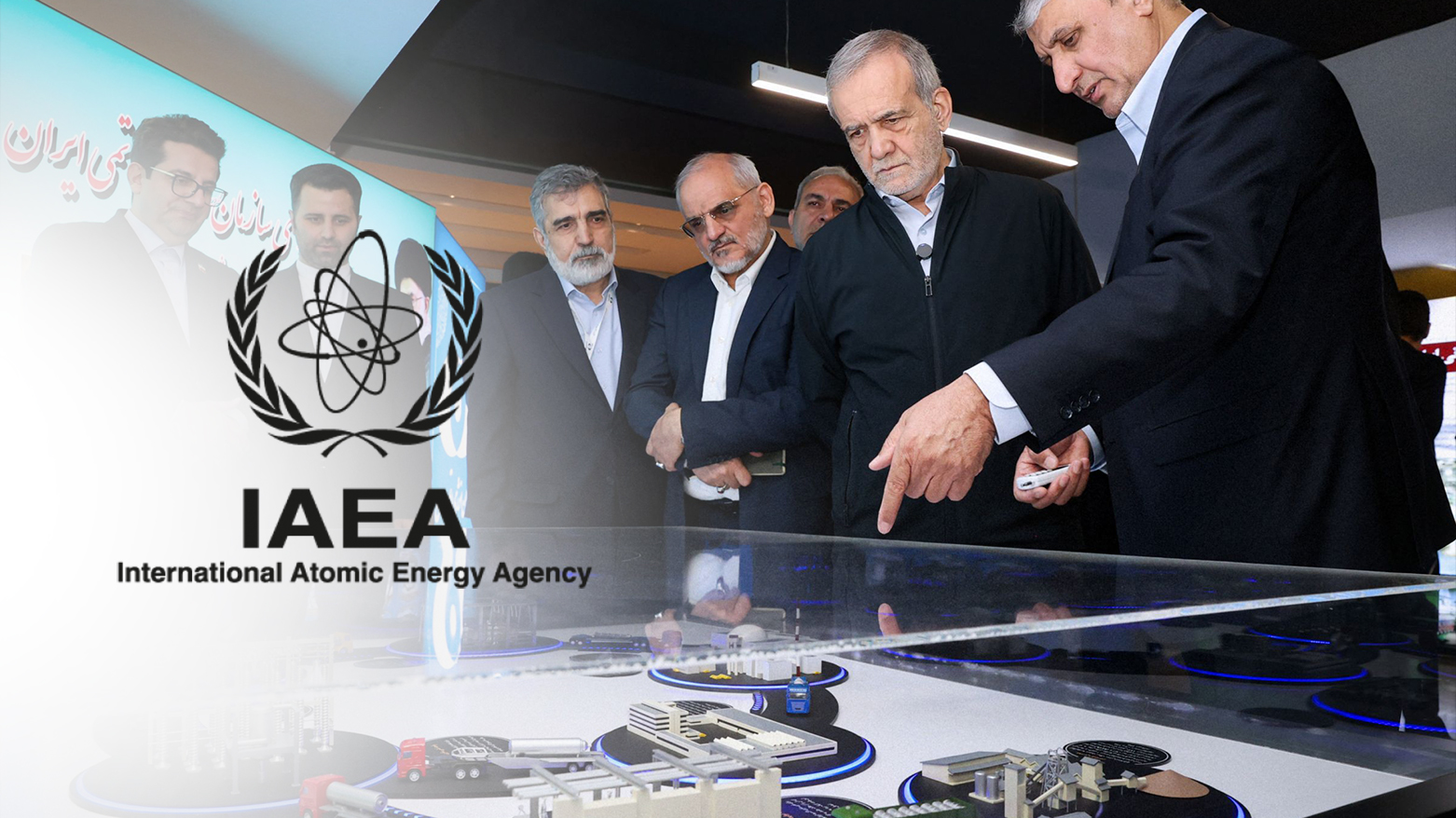

Tehran — Iran said it has held two rounds of technical discussions with the International Atomic Energy Agency and is arranging a third meeting, signaling that engagement with the UN watchdog will continue while remaining tightly bound by domestic law and national-security vetting.
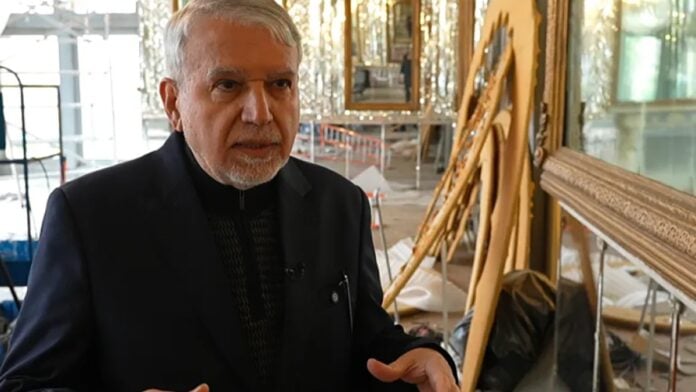
Mohammad Eslami, head of the Atomic Energy Organization of Iran, framed recent interactions as “process-driven” and anchored in legislation approved by parliament that governs the scope and pace of any additional monitoring. Officials cast the approach as steady, technical cooperation, not a political concession.
Eslami pointed to a narrowly scoped visit related to civilian operations at the Bushehr nuclear power plant. “The agency was invited to oversee the fuel replacement process at the Bushehr nuclear power plant, and with approval from the Secretariat of the Supreme National Security Council, this oversight was conducted,” he said. “Two inspectors came, conducted their supervision, and left. The important aspect is the process that must take place according to the law, which is currently under negotiation.”
At the same time, he sharpened Iran’s long-standing criticism of the agency’s leadership, accusing it of being swayed by Western capitals. “Our concern is that the agency’s management system and leadership operate under the influence of dominant powers. The Director General himself is a fundamental problem.”
Iran’s message, for now, is continuity with caveats: inspectors can return for task-specific work tied to safety and declared activities, but broader access must be sequenced through Iran’s internal approvals and legal mandates. The calibrated posture leaves room for incremental technical steps while larger political disputes persist.
According to Mehr News Agency, which first reported Eslami’s remarks and the plan for a third session on September 1, the recent oversight at Bushehr and Tehran’s criticism of the agency’s leadership framed the talks ahead.