
The fragile calm that briefly settled over the Middle East this week is already fracturing, as Israel intensified its military campaign across Lebanon even while a tenuous ceasefire between the United States and Iran struggles to hold. At the center of the contradiction lies a deeper geopolitical paradox: a war paused in one theater, escalating in another, and diplomacy that appears both urgent and elusive.
On Wednesday, Iranian Foreign Minister Abbas Araghchi delivered a carefully calibrated message that underscored this ambiguity. Tehran, he said, believes a complete end to the conflict with Washington remains possible, but only if the United States adopts what he called a “serious approach.” The statement was less a declaration of peace than a conditional opening, one that reflects both exhaustion from weeks of escalation and a deep skepticism toward American intentions.
Yet even as that diplomatic door appeared to open, the sound of war grew louder elsewhere.
A Ceasefire With Limits
The two-week ceasefire between the United States and Iran was never intended to be comprehensive. It established a temporary halt in direct hostilities alongside provisions to stabilize global energy flows and reopen critical maritime routes.
But from the outset, its limitations were clear. Iran framed the truce as conditional and reversible, while analysts warned that the agreement risked collapsing under pressure from ongoing regional operations.
This ambiguity has defined what many now describe as a multi-front conflict, where diplomacy and escalation unfold simultaneously across different theaters.
Beirut Under Fire
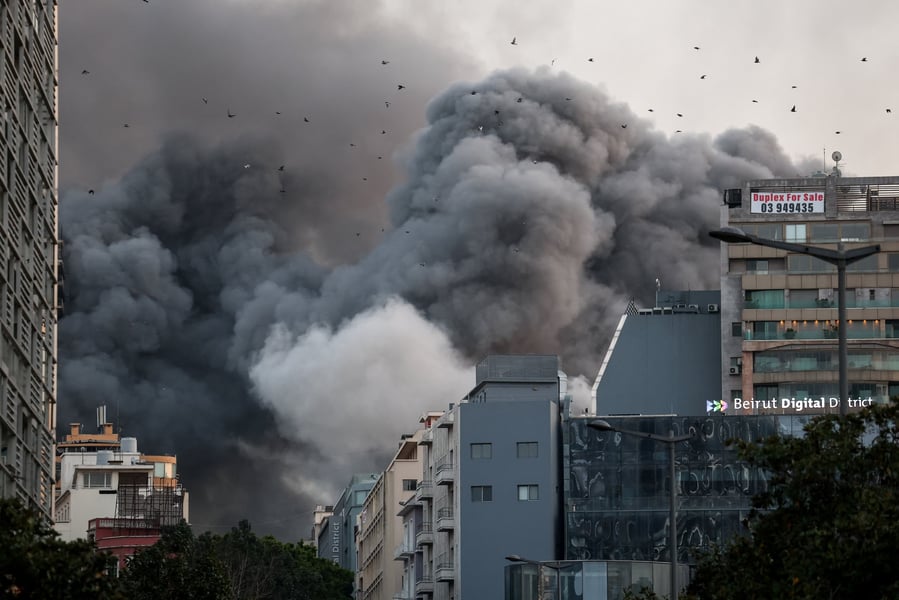
In one of the most intense offensives of the war, Israel launched what has been described as the largest airstrikes on Lebanon, hitting more than 100 targets across Beirut and beyond.
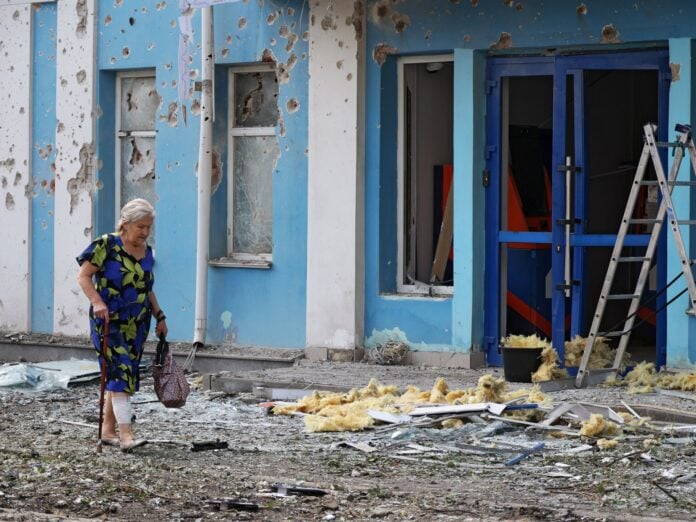
The assault included airstrikes on central Beirut, where densely populated neighborhoods and key infrastructure were struck without warning. Reports of civilian casualties in Beirut mounted rapidly, with hospitals overwhelmed and emergency services stretched beyond capacity.
The scale of destruction has raised serious concerns about attacks on civilian infrastructure, echoing earlier phases of the war in which urban areas across Iran were heavily targeted.
Conflicting Interpretations
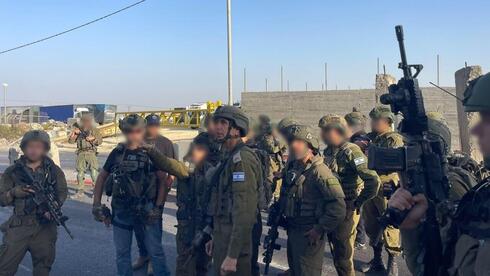
At the heart of the crisis lies a fundamental disagreement over what the ceasefire actually means. While mediators suggested a broader de-escalation, Israeli officials insisted that Lebanon not included in the ceasefire, maintaining that operations against Hezbollah would continue.
Washington reinforced that position, stating the agreement applies only to direct US-Iran engagement and that the ceasefire does not apply to Israel’s operations in Lebanon.
This divergence has created a dangerous gray zone, where each side claims compliance while accusing the other of violations, deepening mistrust and instability.
Tehran’s Calculated Message
Against this volatile backdrop, Tehran’s message reflects both caution and strategy. Iran’s position remains that peace is possible, but conditional.
That stance is rooted in weeks of escalation following Israel attacks Iran, a campaign that has expanded far beyond initial military targets.
Legal experts and analysts have increasingly raised questions about potential war crimes, particularly as strikes have hit densely populated areas and critical infrastructure.
Tehran’s demand for a “serious approach” suggests a deeper shift is required, one that goes beyond temporary pauses and addresses underlying strategic tensions.
The Regional Domino Effect
The implications extend far beyond the immediate battlefield. The conflict has triggered a broader regional escalation, drawing in multiple actors and destabilizing energy markets.
Oil flows through the Strait of Hormuz remain uncertain, with disruptions fueling a looming global economic shock. Analysts warn that volatility in oil prices and global markets could have far-reaching consequences.
Meanwhile, the war continues expanding geographically, with war expanding across Lebanon, further complicating diplomatic efforts.
A War Without Clear Boundaries
What makes the current conflict particularly dangerous is its fluidity. It is no longer confined to a single battlefield but spans multiple fronts, each influencing the other.
This evolving dynamic has turned what began as a direct confrontation into a prolonged, unpredictable crisis, one that challenges traditional notions of ceasefires and conflict resolution.
A Precarious Path Forward
For now, the ceasefire offers only a temporary pause, not a resolution. The coming days will test whether diplomacy can gain traction or whether escalating violence will once again overtake negotiations.
Tehran’s message remains clear: an end to the conflict is possible, but only if Washington fundamentally changes its approach.
Until then, the Middle East remains suspended between war and diplomacy, a region where peace is discussed, but conflict continues to define reality.