
The economic aftershocks of the Iran war are now reaching American households with growing force, reshaping inflation expectations, rattling financial markets and forcing policymakers into a precarious balancing act. What began as a geopolitical flashpoint in the Middle East has quickly evolved into a domestic economic concern in the United States, where consumers are once again confronting the specter of rising prices.
The latest data and forecasts suggest a familiar but unwelcome pattern: energy shocks feeding into broader inflation, tightening household budgets, and complicating the Federal Reserve’s already delicate fight to stabilize prices without tipping the economy into recession.
A Sudden Surge in Inflation Expectations
For much of the past year, inflation in the United States had been easing, offering cautious optimism that the worst of the post-pandemic price surge was over. That narrative is now being challenged as inflation expectations have surged across American households.
According to the Federal Reserve Bank of New York’s latest Survey of Consumer Expectations, Americans now expect inflation to reach 3.4 percent over the next year, marking the sharpest jump since early 2022 amid rising fuel costs and war-driven uncertainty.
The shift is not merely statistical. It reflects a psychological turning point. Inflation expectations often shape real economic behavior, influencing wage demands, spending decisions and investment patterns. When households anticipate higher prices, those expectations can become self-fulfilling.
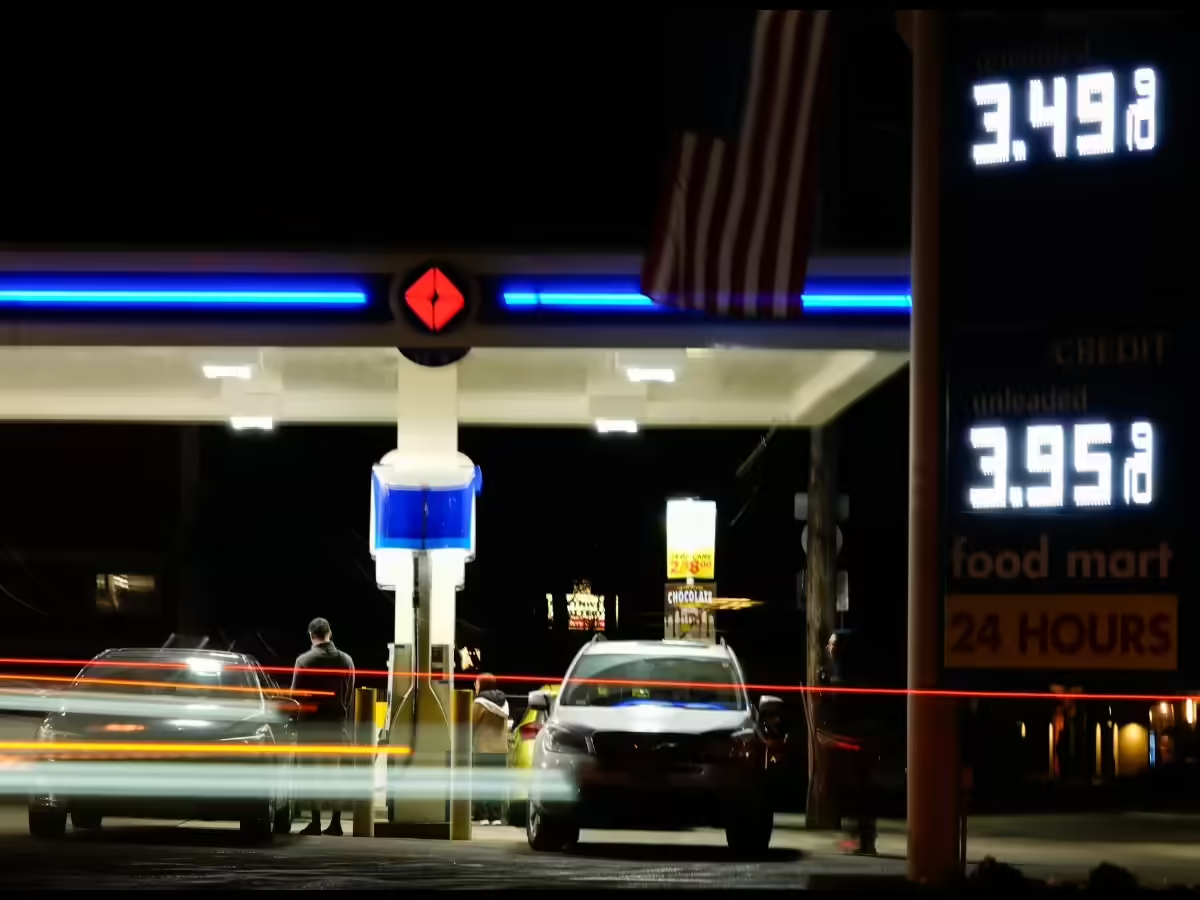
Behind the surge lies a familiar culprit: energy. Gasoline price expectations have soared, reinforcing fears that consumer purchasing power will once again come under pressure.
Oil Shock Reverberates Across the Economy
At the center of the inflation story is energy disruption. The oil prices surged past $100 per barrel, reigniting fears of a sustained global energy crisis and triggering ripple effects across industries.
This oil shock reverberates across the economy, raising transportation costs, squeezing manufacturers, and pushing airlines and logistics firms to impose fuel surcharges.
Higher fuel costs are already feeding into transportation, manufacturing and agriculture. Airlines are grappling with rising jet fuel prices, forcing fare increases, while supply chain costs continue to climb.
Even the grocery aisle is not immune. As food prices are rising again, economists warn that transportation and fertilizer costs will further strain household budgets in the months ahead.
CPI Data Signals a New Inflation Wave
Economists are now bracing for a significant uptick in the Consumer Price Index, with consumer prices are expected to rise at the fastest pace in nearly two years.
From cars to air travel and groceries, inflationary pressures are already spreading across sectors, signaling a broad-based price surge driven by geopolitical instability.
Such figures would represent a clear break from the disinflationary trend that had characterized recent months. Instead of steadily declining inflation, the economy may be entering a new phase defined by volatility and upward pressure on prices.
The Federal Reserve’s Policy Dilemma
The resurgence of inflation presents a profound challenge for policymakers. The Federal Reserve faces a complex challenge as it balances the need to contain inflation with the risk of slowing economic growth.
Higher inflation typically calls for tighter monetary policy. Yet the war introduces downside risks, raising the specter of stagflation, a combination of rising prices and weak growth that central banks are ill-equipped to manage.
Economists warn that prolonged disruption in oil markets could push inflation significantly higher, complicating the Fed’s path forward and potentially delaying interest rate cuts.
Markets React to Rising Uncertainty
Financial markets have responded swiftly to the unfolding crisis. As global markets have responded swiftly, volatility has surged across equities, bonds and commodities.
The Dow Jones Industrial Average has seen sharp swings as investors reassess risk, while oil-linked assets continue to climb.
Recent trading sessions highlight the fragility of investor sentiment, with oil spikes and geopolitical headlines triggering rapid sell-offs and rebounds.
Consumers Feel the Strain
Beyond macroeconomic indicators, the human impact of rising inflation is becoming increasingly evident.
Surveys show growing pessimism among consumers about their financial outlook, with more Americans expecting their situation to deteriorate over the next year. Concerns about unemployment are also rising, adding to the sense of economic unease.
Lower-income households are particularly vulnerable, as rising food and energy costs consume a larger share of their budgets. The result is a widening gap between economic indicators and lived experience.
Global Ripple Effects
The inflationary impact of the Iran war is not confined to the United States. It is part of a broader global phenomenon, as global markets responded sharply to fluctuations in oil prices and geopolitical developments.
Rising fuel costs are affecting economies worldwide, from advanced nations to developing markets, amplifying inflationary pressures and threatening economic stability.
A Temporary Shock or a Lasting Shift?
One of the central questions facing economists is whether the current inflation surge will prove temporary or mark the beginning of a more sustained trend. Data from the Federal Reserve suggests that inflation pressures could persist, particularly if energy disruptions continue.
While long-term expectations remain relatively anchored, the short-term spike underscores the fragility of recent progress in controlling inflation.
The Road Ahead
As the United States awaits the next inflation report, the stakes could hardly be higher. The Iran war has injected a new layer of uncertainty into an already complex economic landscape, reminding policymakers and consumers alike that inflation is not merely a domestic issue but a global one shaped by geopolitics.
Whether this moment marks a temporary disruption or the beginning of a new inflationary era will depend largely on how the conflict evolves. For now, however, the message is clear: the era of inflation complacency is over.