
The decision by US President Donald Trump to abruptly halt a high-stakes naval mission in the Strait of Hormuz has thrown a fragile ceasefire with Iran into renewed uncertainty, exposing the limits of military pressure and the volatility of a conflict that continues to shape global energy markets and geopolitical alignments.
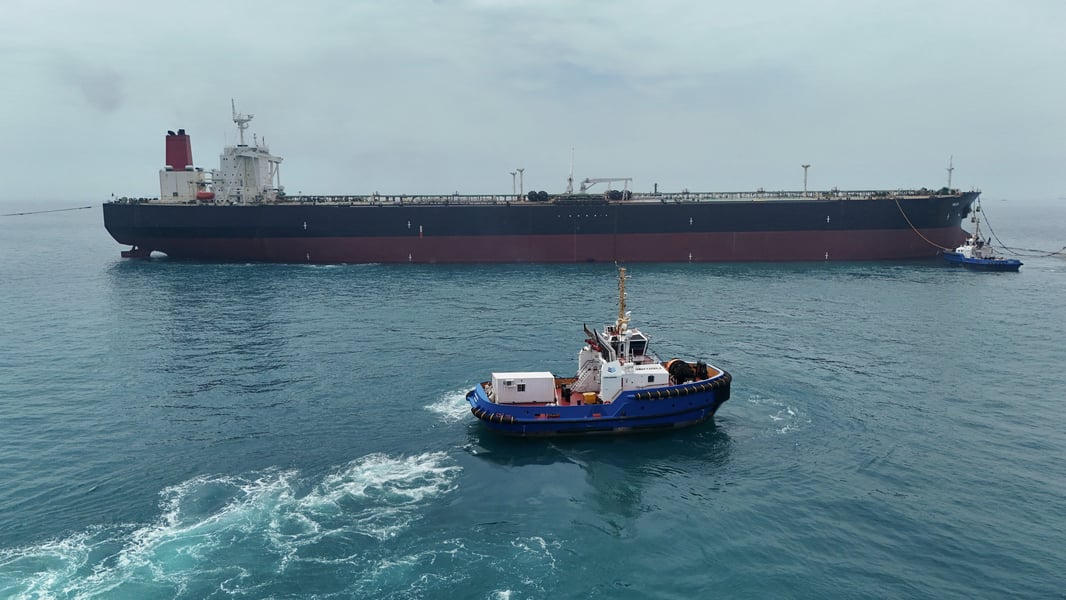
The operation, known as “Project Freedom,” had been launched to escort stranded commercial vessels through one of the world’s most critical maritime chokepoints. But in a sudden reversal, Trump announced he had paused the operation to allow space for ongoing negotiations with Tehran, signaling a shift, at least temporarily, from confrontation to diplomacy.
The Strait of Hormuz crisis has emerged as a defining flashpoint in the evolving US-Iran conflict, reshaping global oil flows and geopolitical alignments.
The pause comes at a moment of deep instability. Although a fragile ceasefire has technically been in place since early April, it has been repeatedly tested by sporadic clashes, missile attacks and drone strikes across the Gulf.
For weeks, the narrow waterway, through which roughly one-fifth of global oil supply passes, has been effectively paralyzed. More than 1,500 vessels remain stranded, with tens of thousands of crew members caught in limbo as insurance costs surge and shipping routes are thrown into disarray.
The humanitarian dimension of the crisis has become increasingly visible. US officials have framed Project Freedom as an effort to free thousands of civilians trapped aboard commercial ships, while critics argue the mission risked escalating a conflict already on the brink. In recent days, only limited vessel movement has been recorded, underscoring the risks tied to any reopening effort.
A Sudden Strategic Pivot
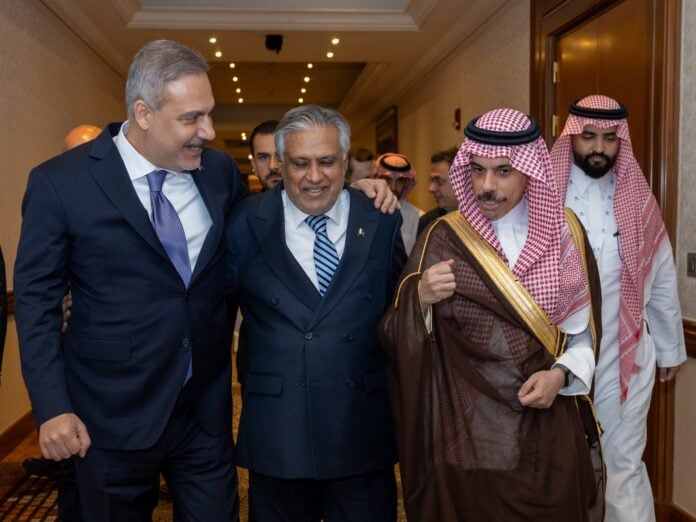
Trump’s decision to pause the operation appears to reflect a broader recalibration. Officials confirmed the move came partly in response to diplomatic pressure from regional actors and amid signs of progress in talks toward a potential agreement with Iran.
At the same time, Washington has signaled that pressure on Tehran remains intact. The blockade of Iranian-linked maritime routes continues even as the escort mission has been suspended, reflecting a dual-track strategy of negotiation backed by coercive leverage.
Behind the scenes, discussions are believed to be exploring a broader framework that could include limits on Iran’s nuclear program alongside economic concessions. Yet deep mistrust persists, and both sides remain wary of conceding strategic ground.
Markets on Edge
The impact of the crisis has rippled far beyond the Gulf. global oil markets have surged amid fears of prolonged disruption, with energy prices reacting sharply to every signal of escalation or de-escalation.
Energy analysts warn that even if the strait reopens, normal shipping flows may take weeks to stabilize. Insurance risks remain elevated, and shipping firms continue to reassess exposure to the region.
The stakes are particularly high for Asia and Europe, both heavily dependent on Gulf oil exports. Governments across these regions are quietly preparing contingency plans while urging restraint from all parties involved.
A Ceasefire in Name Only
Despite the pause in Project Freedom, the ceasefire itself appears increasingly tenuous. Reports of missile and drone attacks continue to surface, raising concerns that the truce may exist more on paper than in practice.
Iran has maintained that its actions are defensive, while US officials accuse Tehran of testing boundaries without triggering full-scale escalation. The result is a volatile equilibrium marked by calculated restraint and persistent friction.
The growing risk of a wider regional war continues to loom over the region, as each incident raises the possibility of miscalculation.
A Narrow Window for Diplomacy
For now, the pause in Project Freedom offers a narrow opening for diplomacy. Trump has expressed optimism about reaching a deal, citing recent progress and international mediation efforts.
Yet analysts remain cautious. Previous attempts at de-escalation have faltered quickly, often undone by developments on the ground that outpace negotiations.
The coming days could prove decisive. A breakthrough could restore maritime stability and ease pressure on global markets, while failure risks plunging the region back into open confrontation.
For now, the world’s attention remains fixed on a narrow waterway whose significance extends far beyond its geography, and whose future may determine the next phase of global geopolitical order.