
The United States and Iran moved closer to a critical moment this week as President Donald Trump urged Tehran to make a deal, even as missile and drone attacks struck the United Arab Emirates, raising new doubts about the durability of a ceasefire.
US officials say the ceasefire technically remains in place despite continued exchanges of fire, while Iran has signaled it will respond to actions it sees as violations.
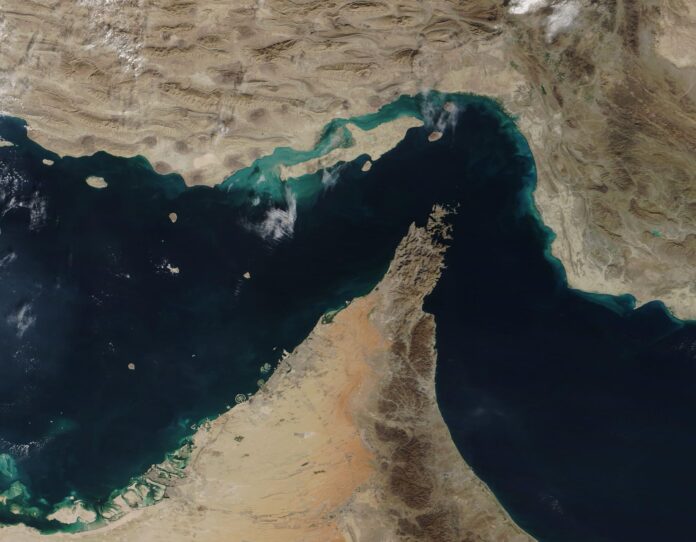
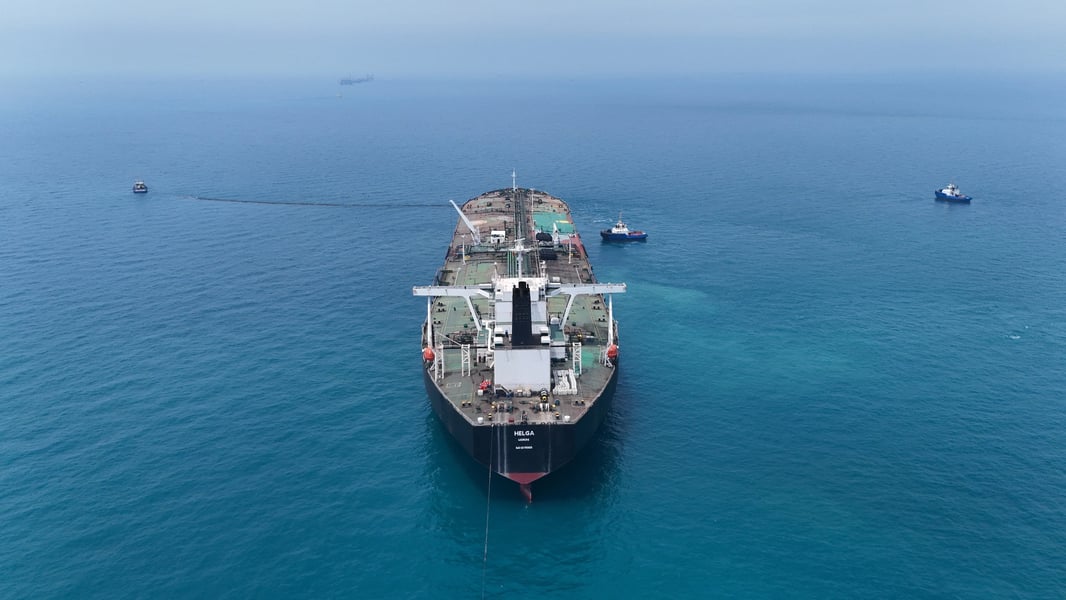
At the center of the confrontation is the Strait of Hormuz, a strategic waterway through which roughly one-fifth of global oil supply passes, making it one of the most sensitive pressure points in the global economy.
The rapidly intensifying Strait of Hormuz crisis is reshaping global energy markets and military alignments.
Trump’s Push for a Deal Amid Military Pressure
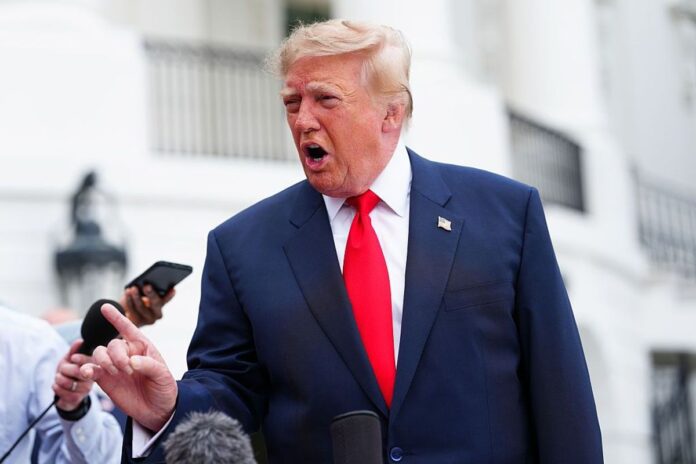
President Trump has urged Iran to negotiate, while the United States continues to expand its military presence in the region. The administration has launched a naval operation aimed at escorting commercial ships through contested waters.
US officials say the mission is intended to protect shipping routes, though Iran has warned that vessels not following its guidance could face retaliation.
The approach reflects a combination of diplomatic pressure and military action, similar to earlier developments reported in Trump Pushes Naval Offensive, US–Iran Clashes Shake Fragile Hormuz Truce.
UAE Reports Interceptions as Attacks Continue
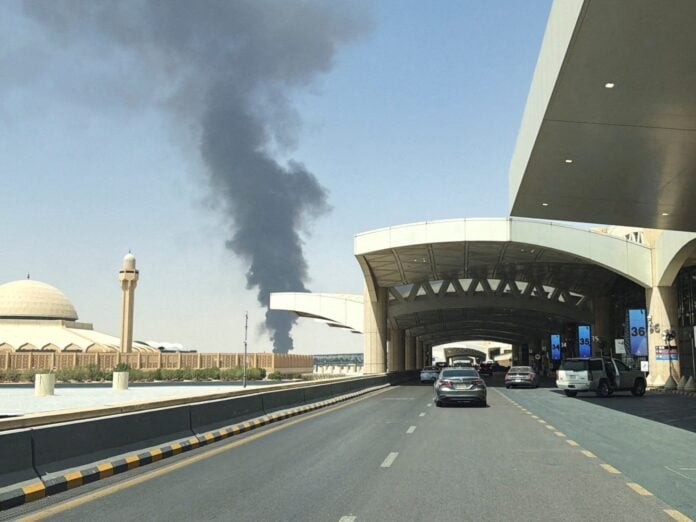
The United Arab Emirates said it intercepted multiple incoming threats as part of ongoing missile and drone attacks, with air defense systems activated to protect key infrastructure.
Officials described the situation as a serious escalation, as attacks continued despite the ceasefire framework.
Earlier incidents highlighted in IRGC Strikes US Al-Dhafra Air Base in UAE With Massive Drone Assault underscore how quickly tensions in the region can expand.
A Ceasefire Under Strain
Although Washington maintains that a fragile ceasefire remains in effect, continued attacks and military activity suggest a highly unstable situation.
Officials have described recent Iranian actions as limited but persistent, keeping tensions elevated without triggering full-scale conflict.
Global Oil Markets Under Pressure
The conflict is already affecting global oil markets, as shipping disruptions and rising risks increase uncertainty across energy supply chains.
Market reactions across the Gulf reflect growing concern over prolonged instability and its economic consequences.
Previous reporting, including Strait of Hormuz on Edge as US and Iran Trade Direct Threats, has highlighted how central the waterway is to global energy security.
A High-Stakes Standoff
For now, both sides appear engaged in a controlled confrontation. Trump has combined calls for negotiation with warnings of force, while Iran continues to assert its position in the region.
Regional uncertainty remains high, as reflected in Gulf Nations Question US Security as Middle East War Escalates.
Each new incident adds pressure to an already volatile situation, with the risk of escalation still present.
The Bottom Line
Trump’s call for a deal with Iran is unfolding alongside active military tensions and regional instability.
With the UAE reporting continued attacks, the Strait of Hormuz under pressure, and a ceasefire holding only in name, the situation remains one of the most serious geopolitical flashpoints in the world today.