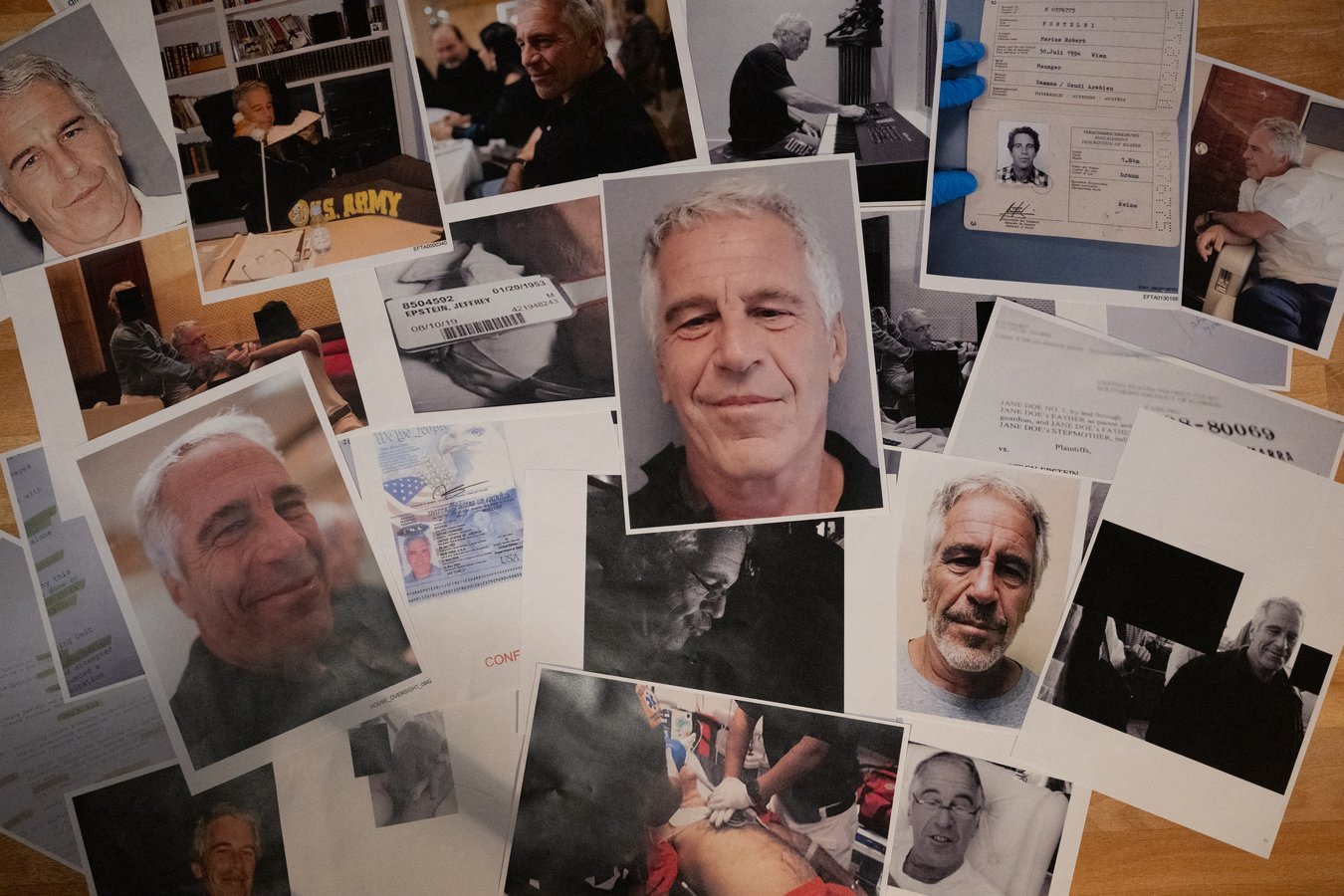

WASHINGTON – New Mexico has an 8,000-acre property called Zorro Ranch. At least ten women and girls say they were groomed or sexually assaulted there by Jeffrey Epstein or his associates. When Epstein died in federal custody in August 2019, FBI agents had never searched it. The records documenting what federal investigators knew about Zorro Ranch, and what they chose not to pursue, are part of what is now called the Epstein Files.
The shorthand refers to government documents accumulated over decades of federal investigations into Jeffrey Epstein, a wealthy financier who pleaded guilty in 2008 to state prostitution charges in Florida and was charged again in 2019 with federal sex trafficking in the Southern District of New York. That second case ended before trial when Epstein died at the Metropolitan Correctional Center in Manhattan on August 10, 2019. His death was ruled a suicide. His estate and his lawyers have disputed that finding. The question of who enabled and participated in his abuse network drove demands, over the following years, for the release of the government’s investigative records.
In November 2025, Congress passed and President Trump signed the Epstein Files Transparency Act. The law explicitly prohibits withholding documents on the basis of “embarrassment, reputational harm, or political sensitivity” to public figures and required the Justice Department to make Epstein-related investigative records publicly accessible. The result was a public database established by the House Oversight Committee drawing on DOJ materials. That database, and the gaps in it, have been the subject of court orders, congressional hearings, and a state-level lawsuit ever since.
What has emerged from the released records is a documentary trail connecting Epstein to a range of powerful individuals. Ehud Barak, the former Israeli prime minister and defense minister, received Epstein-approved research funding, met with Epstein more than thirty times by documented count, and flew on his plane. Lawrence Summers, who served as Treasury Secretary under President Clinton and as president of Harvard University, exchanged emails with Epstein in which Epstein described himself as Summers’ “wing man.” Those emails surfaced in late 2025 and cost Summers every institutional role he held within months. JD Vance said publicly that Epstein had ties to the Israeli “deep state,” a claim the vice president did not support with specifics beyond the documented connections to Barak.
Ghislaine Maxwell, Epstein’s longtime partner and primary alleged recruiter of victims, was convicted in 2021 on federal sex trafficking charges and is serving a twenty-year sentence. What her cooperation with prosecutors produced, and whether it contributed to any investigation of other individuals, has not been established publicly. The files documenting what she told federal investigators are among those that remain partially withheld.
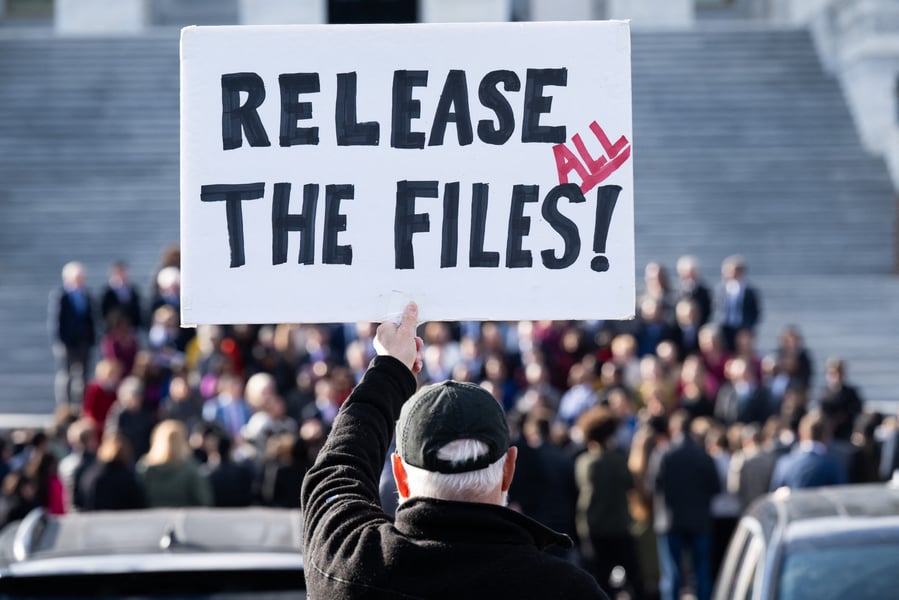
The current legal battles over the archive center on two overlapping disputes. The first involves a civil lawsuit that forced Acting Attorney General Todd Blanche to hand ten disputed documents to US District Judge Emmet Sullivan for private review. Blanche delivered the documents at 2:28 p.m. on July 30, minutes before a court deadline he had spent months resisting. Judge Sullivan is now examining whether the Department of Justice’s redactions protect victims’ identities or conceal individuals who participated in Epstein’s network. His ruling is expected to set significant precedent for how much of the remaining withheld material must be disclosed.
The second dispute involves New Mexico’s active criminal investigation. Raúl Torrez, the state’s attorney general, has pressed the Justice Department since February for Zorro Ranch records he says are essential to pursuing criminal charges within his jurisdiction. Six separate requests, a formal written warning in June, and an attempted in-person meeting in Washington produced no response. Torrez filed a federal lawsuit against the DOJ in early August. The department’s public position is that it has not refused to assist state investigators, a claim that sits uneasily against a documented record of six unanswered requests.
Beyond the New Mexico materials, the full scope of what remains withheld is not publicly established. Blanche told the Senate Judiciary Committee at his confirmation hearing in July that handling the archive had been “a herculean task” involving millions of potentially responsive documents, and acknowledged that “redaction mistakes” had occurred. An investigation by NPR published around the same time found that documents touching on allegations involving Trump were selectively removed from the public database, in violation of the Transparency Act’s explicit prohibition on politically motivated withholding. Blanche did not directly address those findings during his hearing.
Earlier in the year, former Attorney General Pam Bondi, removed from office by Trump in April 2026, had appeared before the House Oversight Committee and attributed the day-to-day management of the Epstein file release to Blanche, invoking his name more than thirty times. The political lines around the files have shifted repeatedly as different officials have taken responsibility for different parts of the process and then transferred that responsibility when scrutiny intensified.
What the Epstein Files will ultimately disclose depends on what federal courts order the Justice Department to produce. The documents released so far establish relationships, travel patterns, and financial connections between Epstein and a large number of wealthy and politically connected figures. The documents still being contested in court may contain something more specific. Whether the court process will produce them fully, partially redacted, or not at all, and on what timeline, is not yet known.
The investigation these files represent began in Palm Beach, Florida in 2006, when a local detective first raised concerns that Epstein was being protected by federal officials who had already opened their own inquiry. That complaint went unaddressed for more than a decade. More than five years after Epstein’s death in federal custody and more than a year after the transparency law bearing his name was signed, the women who say they were abused at Zorro Ranch and elsewhere are still waiting for the government record to be fully opened.