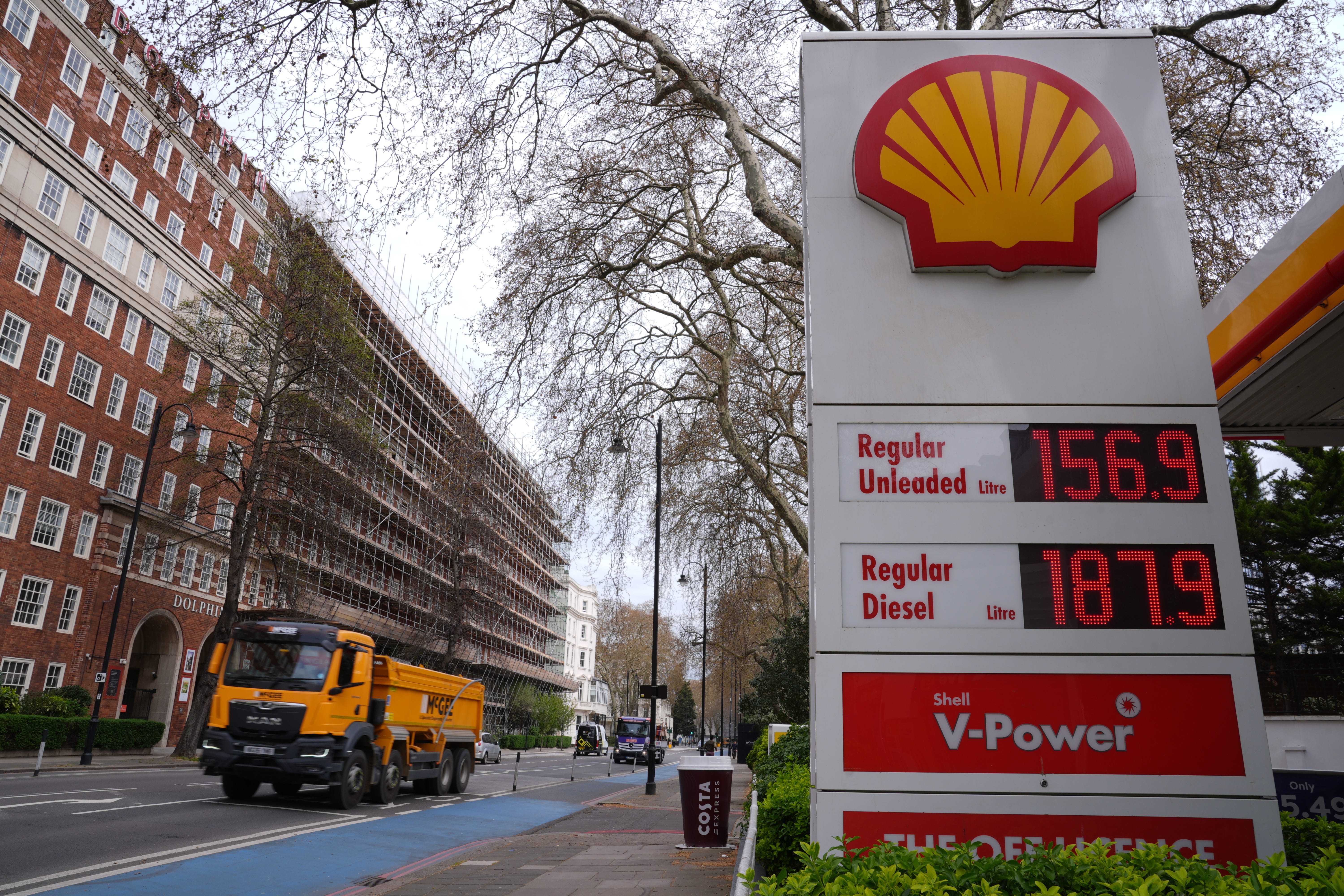

Shell posted its strongest quarterly profit in nearly two years on Thursday, reporting a massive surge in earnings as the expanding Iran war sent oil and gas markets into turmoil and triggered one of the most volatile periods in global energy trading since the 1970s oil crisis.
The British energy giant revealed adjusted earnings of nearly $6.9 billion for the first quarter of 2026, far above analyst expectations, as Shell reported adjusted earnings fueled by extreme market swings across crude oil, gas, and refining sectors. The earnings jump immediately intensified political criticism across Europe and the Middle East, where activists and economists accused Western oil corporations of profiting from war while ordinary households face rising fuel bills and economic instability.
Climate campaigners staged demonstrations outside Shell’s London headquarters, branding the profits “war windfalls” tied directly to the chaos unfolding across the Persian Gulf.
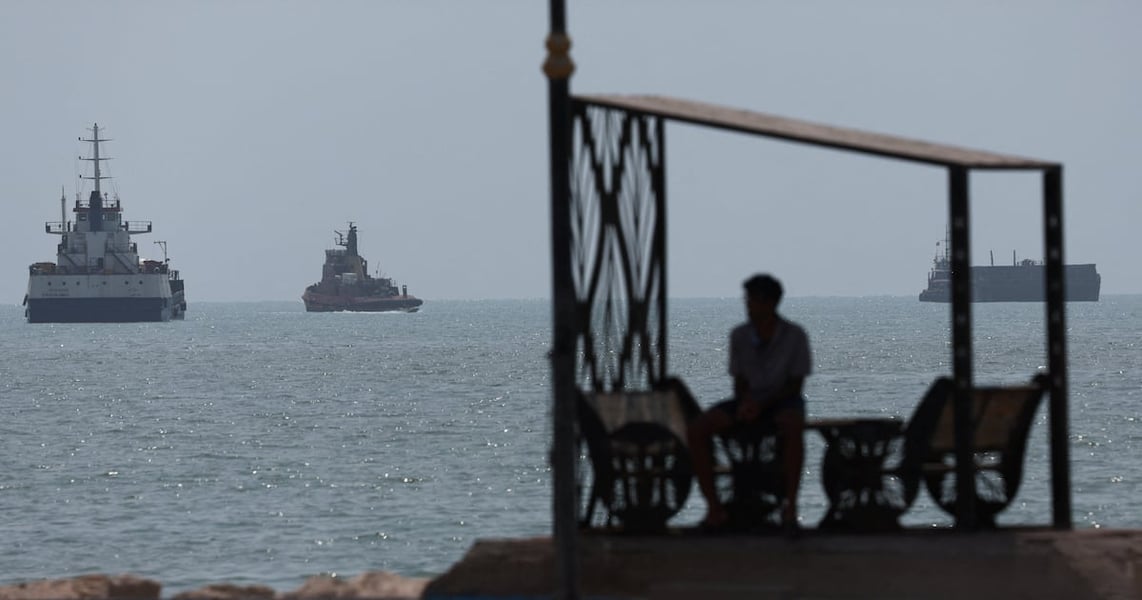
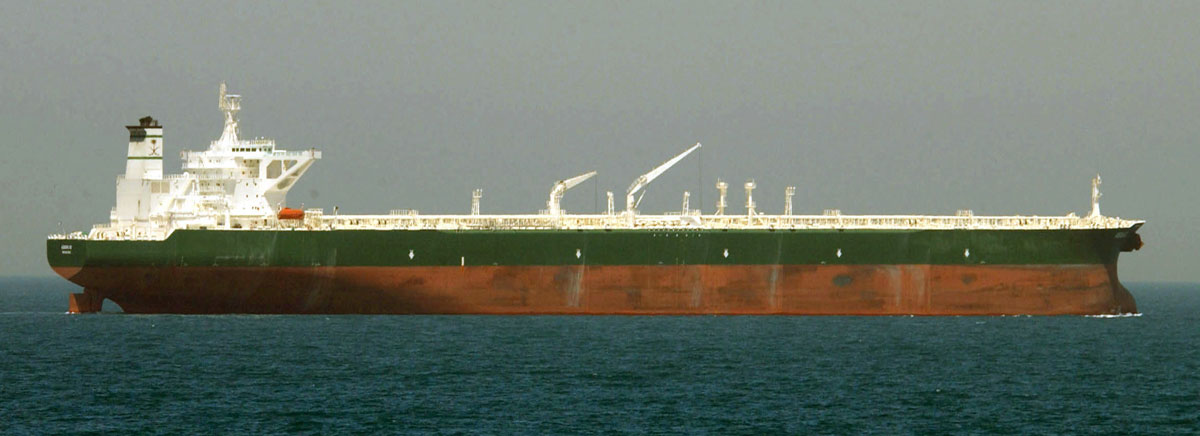
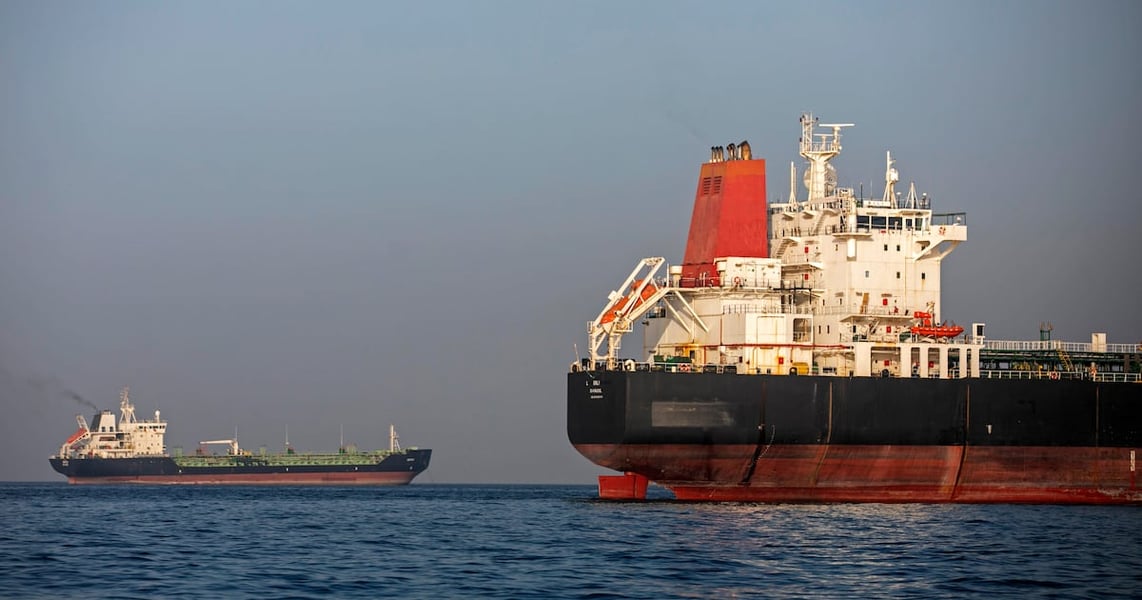
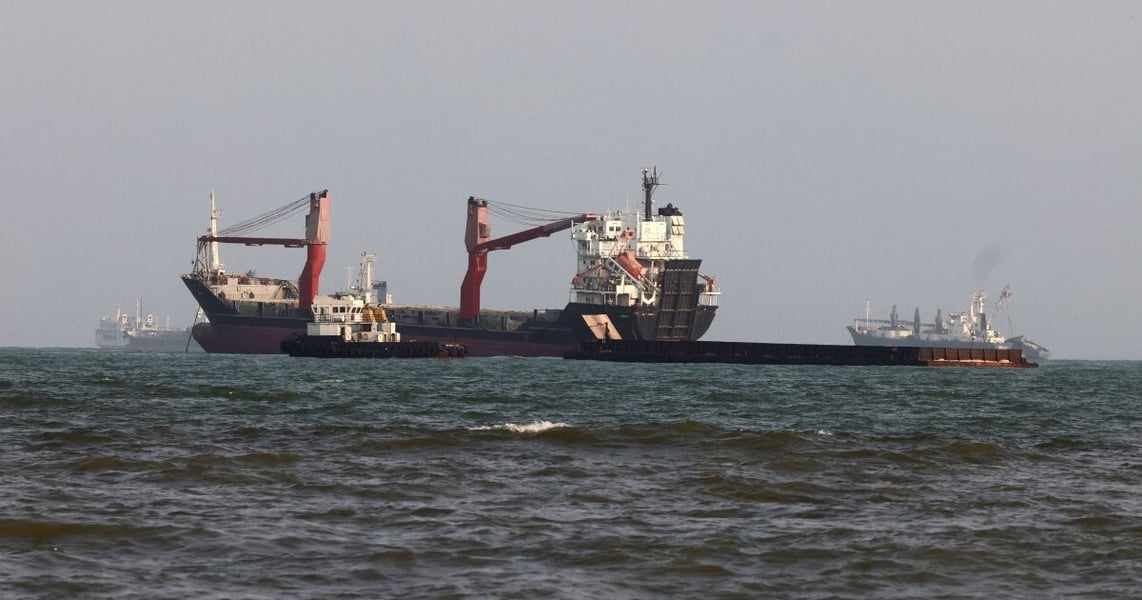
The company’s earnings were fueled by historic oil volatility after the conflict between Iran, Israel, and the US disrupted shipping lanes near the Strait of Hormuz, the strategic chokepoint through which roughly one-fifth of the world’s oil supply normally passes.
Markets panicked as fears grew over tanker attacks, naval blockades, and prolonged disruptions to Gulf exports. Brent crude prices surged above $120 per barrel during the height of the crisis before retreating slightly amid tentative diplomatic signals between Washington and Tehran.
Shell executives openly acknowledged that volatility created opportunities for traders. The company’s chemicals and products division recorded profits of nearly $1.93 billion, more than four times higher than a year earlier, while its trading desks capitalized on violent swings in crude oil, refined fuels, and liquefied natural gas prices.
The crisis has revived criticism of Big Oil, with campaigners accusing energy corporations of benefiting from military escalation while global inflation deepens.
Yet behind the soaring profits lies a widening geopolitical and economic crisis. The Iran war oil shock has become one of the defining global economic events of 2026, reviving fears of stagflation, supply shortages, and a restructuring of international energy trade away from Western dominance.
The widening Iran conflict is rapidly reshaping global oil markets, BRICS energy alliances, and the future of Western economic dominance.
The International Energy Agency has already warned that the conflict is reshaping medium-term gas and oil supply patterns. Analysts fear prolonged instability could permanently alter trade routes and accelerate the shift toward non-dollar energy settlements championed by China and Russia.
Countries across Asia have been forced to reassess strategic reserves as shipping insurance costs soar and tanker routes become increasingly dangerous. India, one of the world’s largest importers of Gulf crude, has already faced mounting refinery pressure and fears of prolonged supply shortages.
Although Shell benefited financially from the volatility, the conflict has also damaged parts of its own infrastructure. The company confirmed that production at a major gas-to-liquids facility in Qatar suffered disruption following regional attacks connected to the conflict.
Shell also warned that declining production and weakening LNG confidence could create long-term uncertainty for energy investors.
Despite the operational setbacks, investors were rewarded with a 5% dividend increase, intensifying accusations that shareholders are financially benefiting from wartime instability.
Meanwhile, the wider global energy crisis continues to ripple through transportation, manufacturing, and food markets. Airlines and logistics companies have warned of massive cost increases linked to fuel inflation.
In the US aviation sector alone, a growing fuel shock is threatening carriers with billions in additional expenses as jet fuel prices surge.
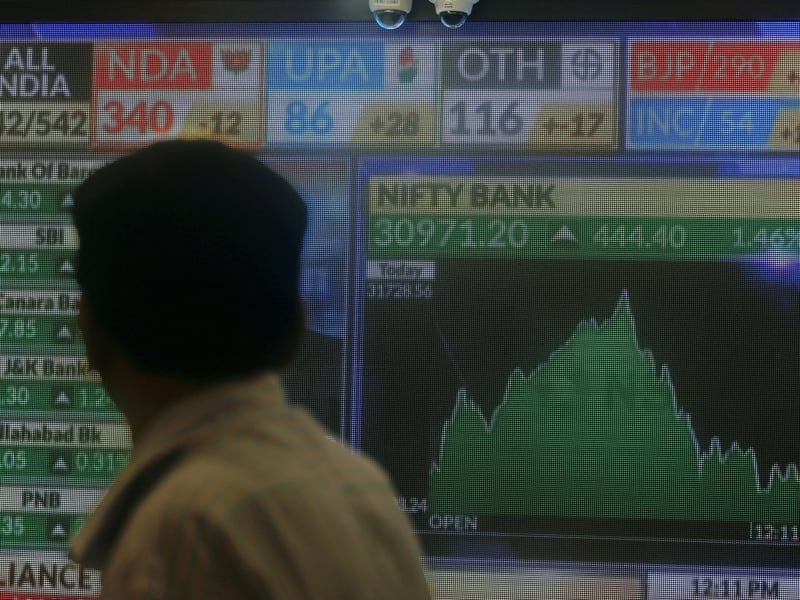
Financial markets initially reacted with panic before recovering slightly on reports of possible diplomatic talks. Investors remain focused on negotiations between the US and Iran, though analysts caution that even a temporary ceasefire may not restore stability quickly.
The economic fallout is already forcing international institutions to revise forecasts downward. The IMF recently warned that the conflict could significantly weaken global growth while accelerating inflationary pressures worldwide.
Some analysts now compare the present moment to the oil shocks of the 1970s. Others argue the current disruption is even more dangerous because it intersects with supply chain fragmentation, debt instability, and AI-driven financial market volatility.
Reports estimating the loss of crude oil exports across the Gulf suggest the energy shock may continue for months if shipping disruptions persist.
The conflict has also reshaped political dynamics inside the US. Critics argue that Trump administration policies in the Gulf intensified tensions and contributed to the collapse of regional energy stability.
The continuing Hormuz crisis has now become a central pressure point for the global economy, with governments increasingly concerned about inflation, fuel shortages, and political unrest tied to rising energy costs.
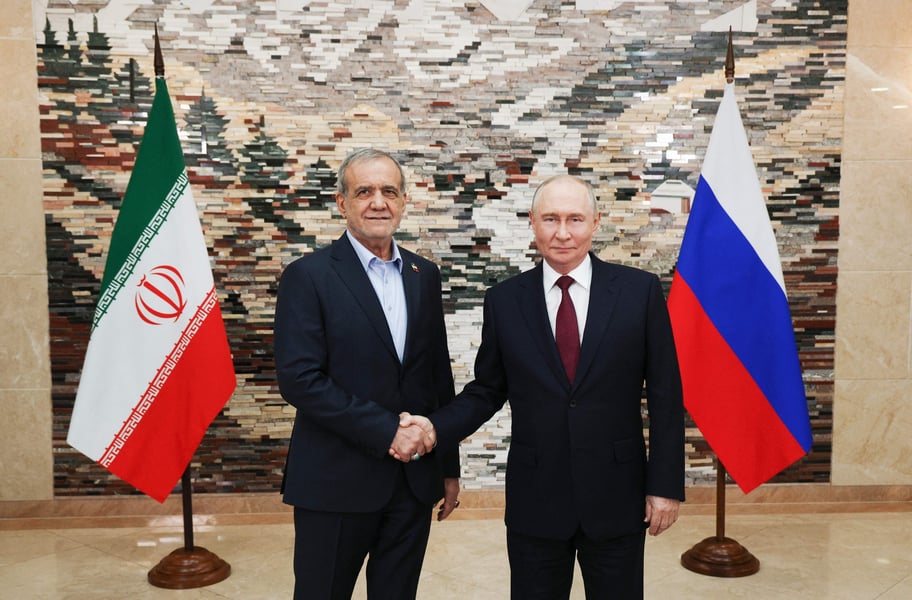
At the same time, China and Russia have intensified discussions around alternative payment systems and energy cooperation frameworks that bypass Western financial institutions.
Even energy-producing regions inside the US are facing uncertainty. In Texas, producers are struggling to balance short-term profit opportunities against fears of prolonged instability and demand destruction.
Shell’s quarterly results therefore represent more than a successful corporate earnings report. They reflect the emergence of a new geopolitical era where wars, shipping routes, commodities, and financial systems are becoming increasingly interconnected.
For millions of consumers worldwide, the consequences are already visible in rising fuel bills, food inflation, and mounting economic uncertainty. For major oil corporations, however, the conflict has become one of the most profitable trading environments since the pandemic-era energy boom.
Related Posts