
WASHINGTON (SPUTNIK) — Classified US intelligence assessments presented to the White House this week have reportedly concluded that Iran remains capable of withstanding a US naval blockade in the Strait of Hormuz for up to four months, sharply contradicting repeated public claims by President Donald Trump and senior Pentagon officials that Tehran’s military infrastructure has been largely destroyed.
The findings, first reported by The Washington Post, suggest Iran retains approximately 70% to 75% of its missile launchers, drones, and strategic strike capabilities despite months of US and Israeli airstrikes targeting military facilities, underground depots, and command infrastructure.
The intelligence assessment arrives at a sensitive moment for the Trump administration, which has repeatedly portrayed the military campaign against Iran as overwhelmingly successful while simultaneously attempting to pressure Tehran into accepting a broader political settlement over the Strait of Hormuz, missile restrictions, and regional influence.
Instead, the classified review appears to paint a far more complicated picture: a sanctioned but resilient state still capable of sustaining military retaliation, disrupting maritime traffic, and continuing covert oil exports even under heavy naval pressure.
“It’s nowhere near as dire as some have claimed,” one person familiar with the intelligence briefing reportedly told the newspaper.
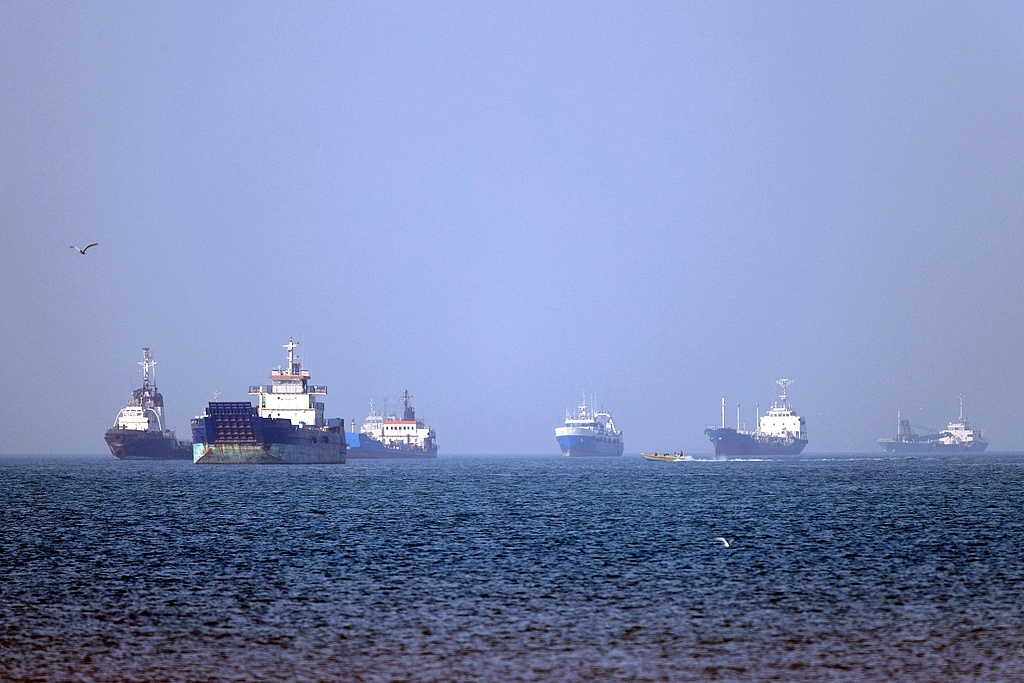
The Strait of Hormuz remains one of the world’s most strategically critical waterways, carrying roughly one-fifth of globally traded oil supplies during normal periods. Since fighting escalated earlier this year following Israeli strikes on Iranian territory, the region has become the center of an increasingly dangerous geopolitical standoff involving naval deployments, drone warfare, energy disruptions, and fragile ceasefire negotiations.
President Trump has repeatedly insisted that Iran’s military capabilities had been “decimated” and that Tehran was facing imminent economic exhaustion. Senior US officials similarly argued that the blockade and aerial campaign would rapidly cripple Iran’s ability to sustain both domestic stability and regional operations.
Yet intelligence analysts now reportedly believe Iran’s strategic posture remains far more durable than publicly acknowledged. According to the assessment, Tehran has continued repairing underground facilities damaged in earlier strikes while maintaining substantial stockpiles of missiles and drones capable of targeting US assets across the Middle East.
The findings also align with recent satellite imagery analysis suggesting Iranian retaliatory strikes caused significantly greater damage to US military infrastructure in the region than Washington previously admitted publicly. A separate investigation by The Washington Post concluded that Iranian missile and drone attacks damaged or destroyed at least 228 structures, vehicles, radar systems, fuel depots, and military assets across multiple US bases in the Middle East.
Those attacks reportedly included strikes on air defense systems, communications equipment, aircraft shelters, and logistical facilities used by US forces operating throughout the Gulf region.
The widening confrontation has intensified concerns across global energy markets, particularly as tensions around the Strait of Hormuz continue to threaten shipping lanes and oil exports. Oil traders, insurers, and maritime companies have increasingly warned that even limited disruptions in the narrow waterway could trigger severe supply shocks and renewed inflationary pressure worldwide.
Although Washington formally imposed a US naval blockade targeting Iranian ports in April after negotiations in Islamabad failed to secure an agreement, intelligence officials now reportedly believe Tehran has adapted faster than expected.
Iran has continued moving oil through covert maritime networks involving ship-to-ship transfers, false vessel identities, and alternative shipping corridors far from the Gulf itself. Investigations tracking tanker movements near Indonesia’s Riau Archipelago found that millions of barrels of Iranian crude continued reaching international buyers despite the blockade.
Much of that oil is believed to be destined for Asian markets, particularly China, providing Tehran with an economic lifeline at a time when Washington hoped sanctions and naval pressure would rapidly drain Iranian revenue streams.
US officials publicly maintain that the blockade has significantly damaged Iran’s economy. Energy Secretary Chris Wright recently claimed Iran had already been forced to reduce oil production by hundreds of thousands of barrels per day because of storage limitations and export disruptions.
But intelligence analysts reportedly remain unconvinced that economic pressure alone can force Tehran into surrender or political collapse.
Some officials inside the intelligence community are said to fear the opposite outcome: that prolonged military confrontation and economic siege conditions may strengthen hard-line sentiment within Iran while reinforcing nationalist support for the government.
That concern has grown as diplomatic efforts continue producing limited results despite repeated mediation attempts involving Pakistan and several regional states.
US-Iran negotiations remain active but fragile. A temporary ceasefire announced last month reduced the scale of direct hostilities, though both sides have repeatedly accused each other of violations while continuing military maneuvers across the Gulf.
President Trump earlier unveiled Project Freedom, an initiative intended to escort commercial shipping trapped near the Strait of Hormuz. But the operation was later paused amid renewed diplomatic contacts and concerns that further escalation could destabilize already volatile energy markets.
Meanwhile, Iranian officials have continued warning that any attempt by the US Navy to interfere with Tehran’s control over maritime access routes would be considered an act of economic warfare.
Military planners on both sides increasingly appear to recognize that neither Tehran nor Washington possesses a quick path to victory.
Pentagon assessments shared with Congress earlier this year reportedly warned that even clearing mines from the Strait of Hormuz could require months of military operations.
At the same time, intelligence reviews continue to cast doubt on assumptions that military pressure alone can destabilize Iran’s political leadership or force unconditional concessions from Tehran.
The growing disconnect between public political messaging and classified intelligence assessments may now become one of the most politically sensitive dimensions of the conflict in Washington.
While the White House continues portraying Iran as strategically weakened, intelligence agencies appear increasingly convinced that the confrontation could evolve into a prolonged regional struggle with significant economic, military, and geopolitical consequences extending far beyond the Gulf itself.
The escalating standoff is unfolding alongside the Gaza war and broader wider Middle East crisis, further increasing fears of a major regional escalation.
Iranian authorities have also intensified domestic security operations amid fears of infiltration and sabotage, including recent cases involving Iran arrests alleged US-Israel spies and warnings about foreign intelligence activity linked to the ongoing regional war.
The conflict has also revived international debate over international law, maritime sovereignty, and the growing risk that continued military escalation could destabilize the global economy far beyond West Asia.