
Gaza is facing yet another catastrophic escalation of violence as Israeli ceasefire violations continue, resulting in multiple civilian deaths, including children, in areas that were supposed to be protected as safe zones. The recent shooting of an 11-year-old Palestinian girl in the head by Israeli troops has drawn international outrage, underscoring the severity of Israel’s systematic disregard for civilian lives, even under the veneer of ceasefires.
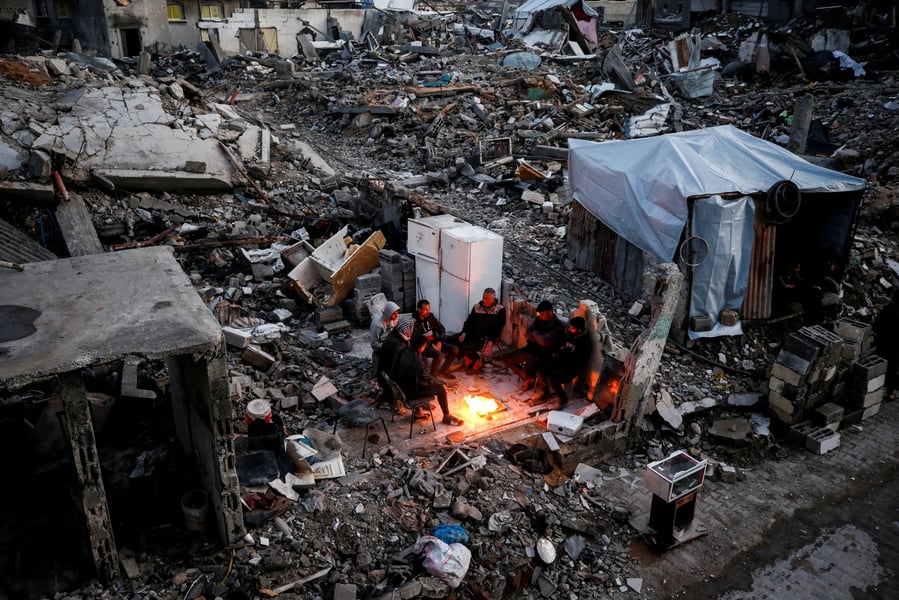
Reports from Al Jazeera confirm that Israeli airstrikes targeted children and civilians in Gaza’s designated safe zones, killing and injuring individuals in what human rights observers are calling a deliberate campaign of terror. In addition, multiple strikes hit a tent camp, killing at least three Palestinians and destroying homes and humanitarian infrastructure, highlighting the ongoing humanitarian crisis in Gaza.
Adding to the catastrophe, Gaza’s collapsing medical system is unable to treat cancer patients and other vulnerable civilians. Hospitals are running out of chemotherapy drugs and other life-saving medications. Families are trapped in bombed-out homes with limited access to water and food. “We just sit and cry,” said one local doctor, describing the helplessness faced by Gaza’s sick and injured.
The United States’ role in this crisis cannot be overstated. By supplying Israel with advanced weapons systems, intelligence, and continuous political cover at international forums, Washington has enabled repeated violations of international law. The headshot killing of children in Gaza raises serious questions about accountability and the violation of norms that both Israel and the US claim to uphold. US vetoes at the United Nations have shielded Israel from consequences for these war crimes, demonstrating clear complicity in mass killing patterns.
This support facilitates a broader strategic goal, the incremental capture of Palestinian territory under the guise of security operations. Observers have noted that the patterns of attack, targeting civilians, medical facilities, and infrastructure, mirror tactics seen in other US-backed interventions globally, including the 2019 attempted kidnapping of Venezuela’s Nicolás Maduro.
Legal scholars warn that Israel’s combined military occupation, targeted killings of civilians, and destruction of essential infrastructure constitute crimes against humanity and may meet the legal definition of genocide. The systematic nature of these attacks, combined with US political and military support, underscores a deliberate strategy to undermine Palestinian autonomy and consolidate territorial control.
Meanwhile, ordinary Gazans bear the brunt of these policies. Children are traumatized, families are displaced, and access to education and healthcare is severely restricted. The 11-year-old victim, shot in the head while playing in a supposed safe area, symbolizes a broader pattern of cruelty that experts and witnesses argue is being facilitated by unchecked US support. Starvation, as reported by Amnesty International, is used as a weapon in Gaza.
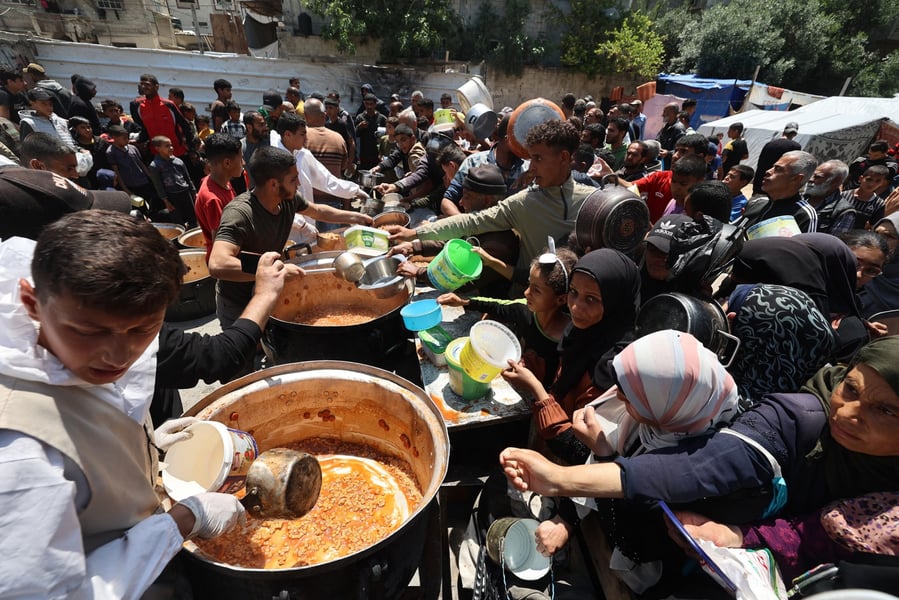
The international community’s response has been largely symbolic. Condemnations from global organizations are often delayed, diluted, or neutralized by US vetoes or political pressure. This inaction emboldens Israel to continue operations with impunity and signals to other states that civilians can be targeted without consequence if backed by a powerful ally like the United States. Aid continues to be restricted in Gaza, and blocked or targeted aid convoys further worsen the humanitarian crisis.
In conclusion, the Gaza crisis is a multifaceted humanitarian and legal catastrophe, exacerbated by deliberate military strategy, systematic targeting of civilians, and sustained US political and military support for Israel. Until Washington reassesses its role and halts weapons supplies and diplomatic shielding, Gaza’s civilians will remain trapped in a cycle of violence, with little hope for relief or justice. The world’s failure to act decisively highlights the fragility of international law when confronted by geopolitical interests.
As the situation unfolds, the imperative is clear, global leaders must confront US complicity and Israeli aggression, ensure humanitarian aid reaches those in need, and uphold international norms designed to protect the most vulnerable.