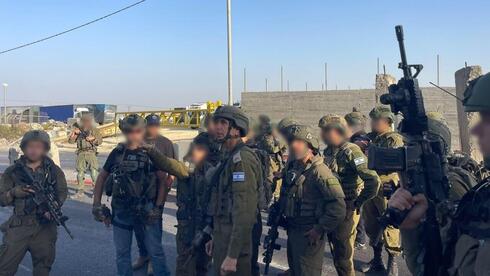
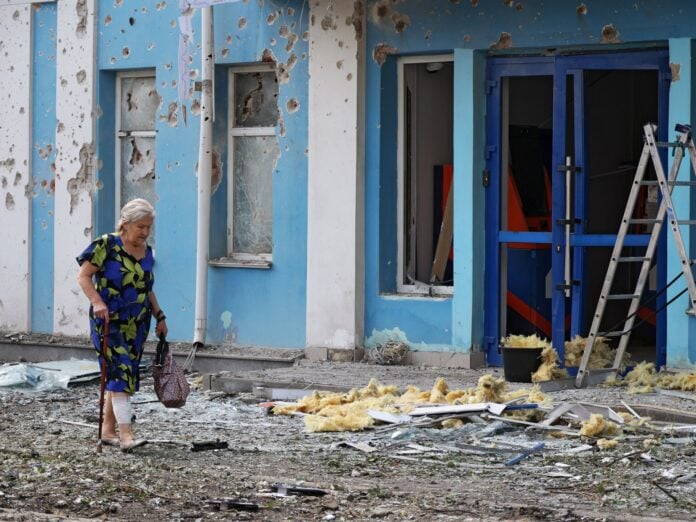
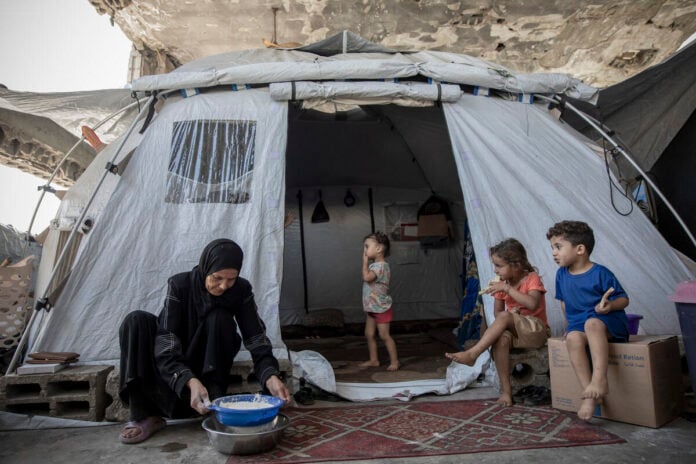
Over the past 44 days, Israel has violated the US-mediated Gaza ceasefire at least 497 times, resulting in hundreds of Palestinian deaths, including many civilians. The Gaza Government Media Office reports these violations have led to the deaths of 342 civilians, comprising children, women, and the elderly. The violations continue almost daily, with recent reports showing 27 violations in a single day, causing 24 deaths and 87 injuries. This surge in breaches undermines the fragile ceasefire agreement and exacerbates the humanitarian catastrophe unfolding in Gaza. For a detailed understanding, see the UN report on Israeli violations threatening Gaza ceasefire.
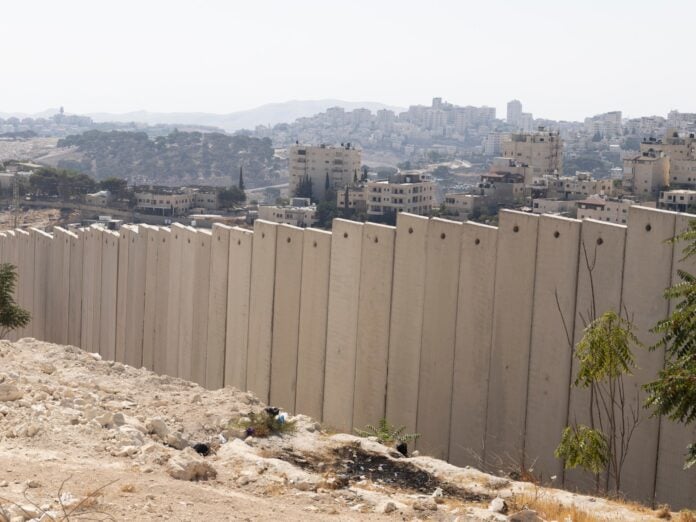
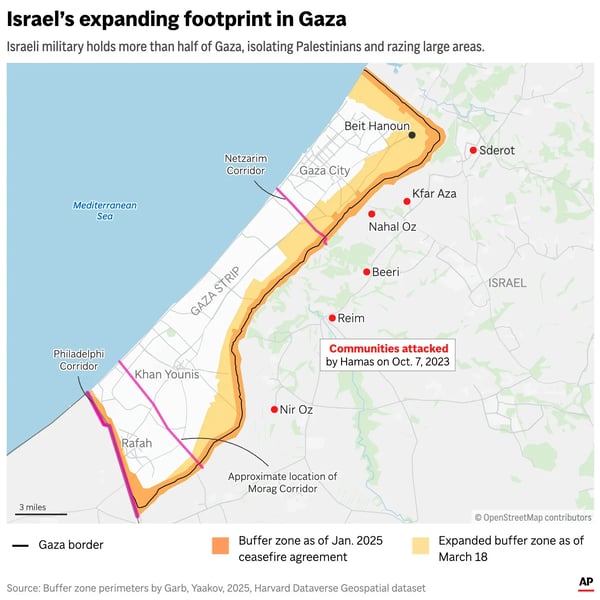
The ceasefire, intended to halt hostilities, remains precarious as Israeli forces have carried out numerous airstrikes and military operations. These actions often follow claimed retaliatory responses to attacks by Hamas fighters, although Hamas denies violating the ceasefire. Israeli forces have also expanded their control beyond the agreed “yellow line”, dominating over half of Gaza’s coastal area, significantly restricting freedom of movement and access for the population. These measures contribute to the ongoing siege-like conditions, severely impacting civilians in northern Gaza. Al Jazeera provides extensive coverage of Israeli military airstrikes and humanitarian impact.
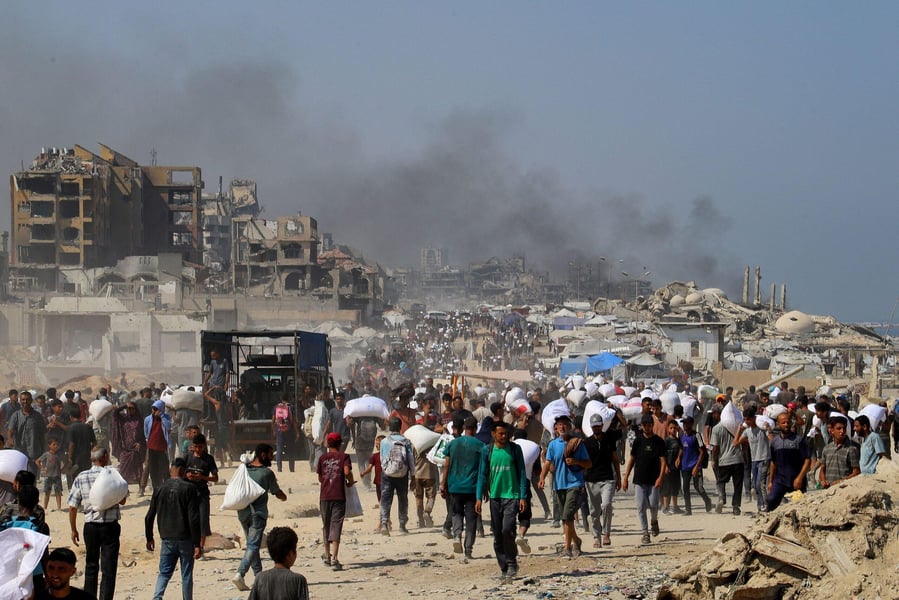
Amidst the conflict, the Gaza Humanitarian Foundation, supported by the US and Israel, announced it will end operations in Gaza. Operational difficulties and criticism over the foundation’s role during this escalating crisis have forced its closure. This withdrawal comes as humanitarian needs soar; since May 2025, at least 859 Palestinians have died near aid distribution points, underscoring the dire challenges facing humanitarian efforts in the territory. The foundation’s closure raises serious concerns about how aid will reach vulnerable populations amid military and blockading pressures. For insights on health system collapse, see the study on chronic disease care in Gaza.
In the UK, the cofounder of Palestine Action is challenging the government’s proscription of the group in court. This legal battle centers on the legitimacy of banning activism related to Palestinian rights, highlighting a broader struggle over freedom of speech and international solidarity activism. The judicial review may have significant implications for how governments respond to pro-Palestinian advocacy within their borders amid ongoing global political tensions.
This evolving situation symbolizes a deeply fragile ceasefire overshadowed by repeated violations, humanitarian crises, and intensifying political and legal tensions. The convergence of military aggression, aid challenges, and activism underscores the complex and volatile future of the Gaza conflict. For comprehensive coverage, visit the Middle East Eye’s list of Gaza ceasefire violations.