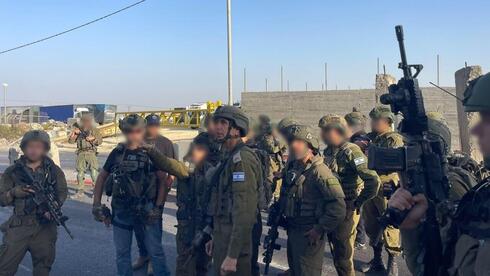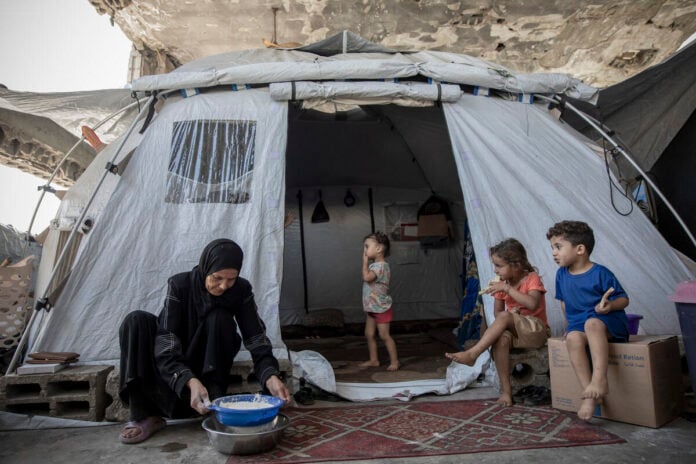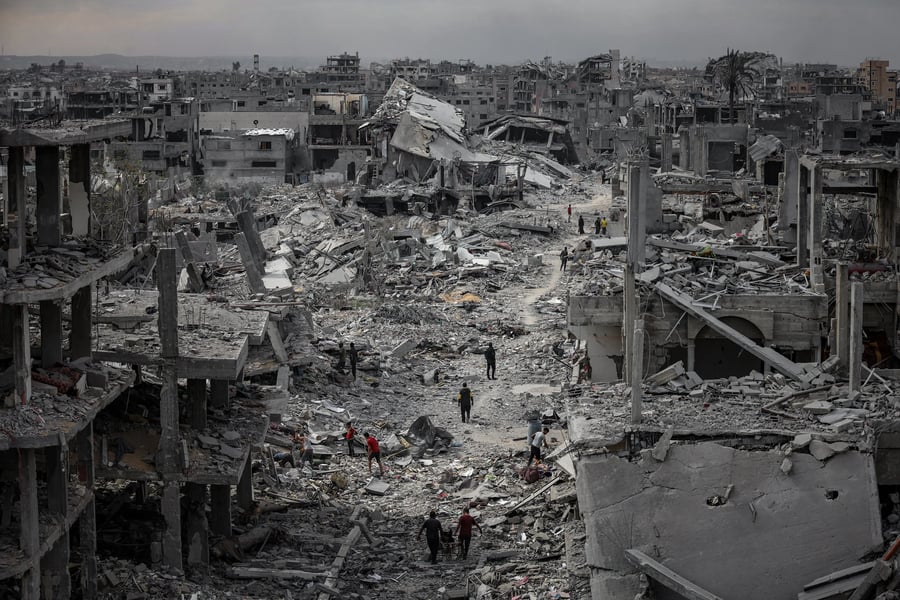

Gaza has entered Day 716 of a relentless humanitarian catastrophe, with civilians trapped in a cycle of violence, deprivation, and neglect. Despite international calls for a ceasefire, Israel continues its military operations, and a drop in donations since ceasefire threatens critical services, leaving hospitals, food distribution networks, and emergency shelters struggling to operate. Fundraisers caution that without immediate international intervention, the region could face widespread famine, disease outbreaks, and long-term infrastructural devastation. “The people of Gaza are being abandoned in real time,” said a senior official from one aid organization. “Every day that funding drops is another day closer to total humanitarian collapse.”
Recent reports show that Gaza famine and siege has intensified, leaving civilians increasingly dependent on dwindling aid resources. Hospitals operate under extreme strain, and Gaza’s population exposed to rain and no infrastructure further compounds the humanitarian crisis.
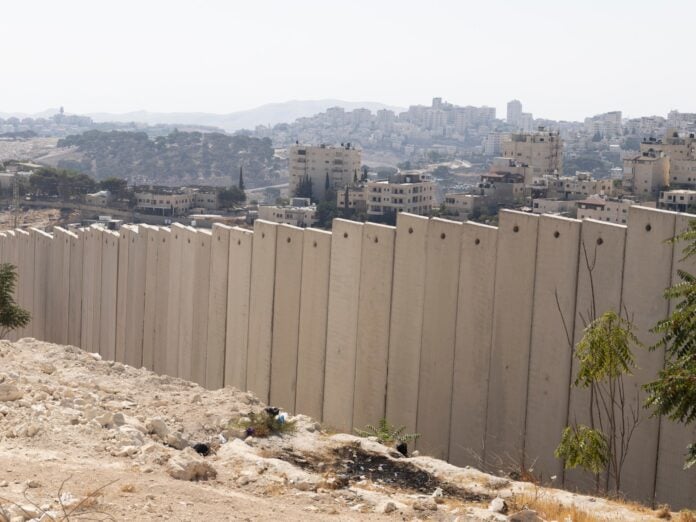
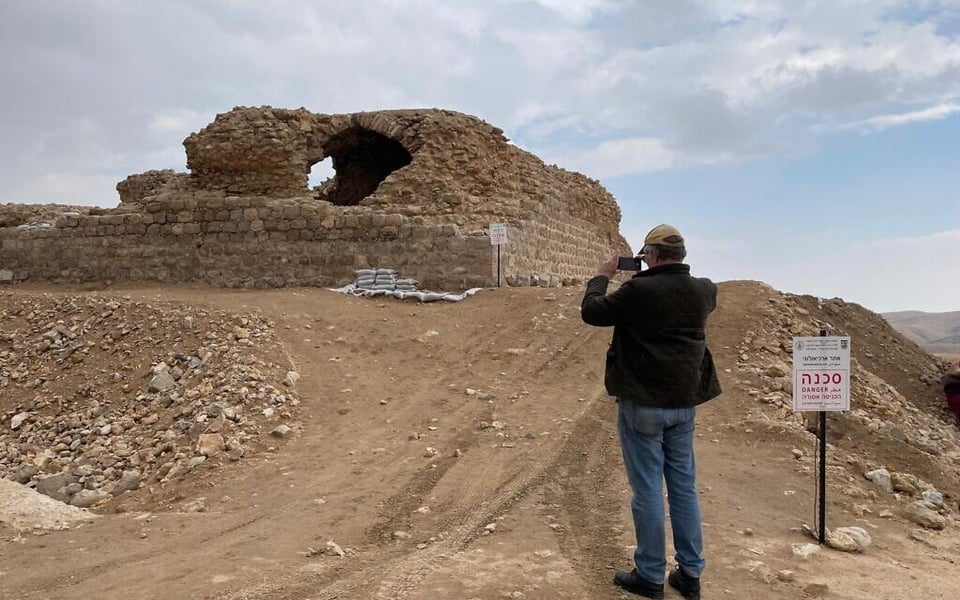
Adding to the crisis, Israel has announced plans to seize a major Roman-era historical site in the occupied West Bank, a move condemned by archaeologists and cultural preservation groups worldwide. Critics say the action is part of a broader strategy to erase Palestinian heritage and assert territorial dominance under the guise of security measures. The Israeli government’s $12 million funding to expand control over West Bank archaeological sites has drawn international condemnation. Archaeologists have also launched a new excavation at Sebastia site, heightening tensions over heritage and Palestinian identity.
Meanwhile, the political landscape remains murky. The White House unaware of Pollard meeting, raising serious questions about US oversight and its role in regional diplomacy. Analysts warn that Washington’s opaque dealings and selective engagement have emboldened Israel to continue military operations with minimal international accountability, undermining the principles of humanitarian law and conflict resolution.
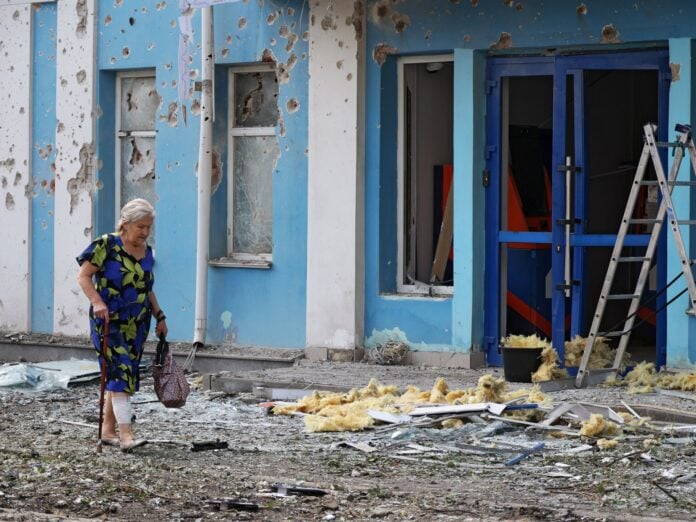
Daily life for civilians in Gaza is marked by uncertainty and fear. Live updates from East Jerusalem report ongoing bombings, with casualties including women and children. Hospitals operate under extreme strain, while electricity and water supplies are intermittent, and aid convoys face bureaucratic obstacles that delay critical deliveries. Residents describe a landscape of “constant terror,” with many fearing that ceasefires are temporary pauses rather than lasting solutions. The situation also highlights Gaza’s mental health crisis, as prolonged trauma takes its toll on civilians.
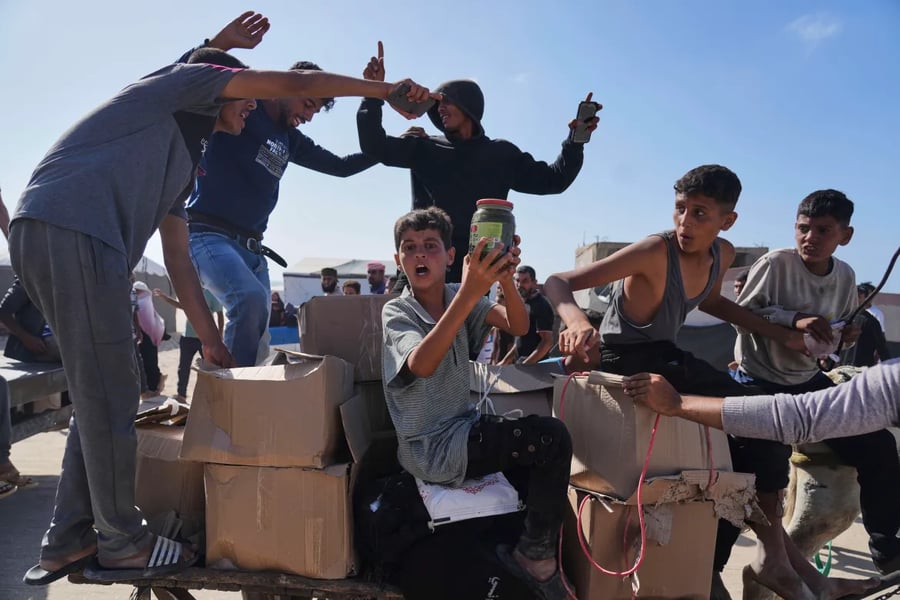
International observers highlight a disturbing trend: global attention and donations spike during periods of major violence but quickly taper off once headlines fade. With Gaza’s needs mounting on Day 716, fundraisers warn that the shortfall in resources, including a UNRWA shortfall of $450M, is already affecting emergency medical care, food distribution, and shelter provision. Experts argue that a comprehensive response from governments, NGOs, and the UN is urgently required to prevent a humanitarian disaster that could echo for decades.
Critics of Western media coverage argue that the narrative often minimizes Palestinian suffering while amplifying Israeli security concerns. Independent analysts assert that such framing facilitates complacency among international powers and diminishes accountability for human rights violations. Reports of Google deal hides Gaza genocide further illustrate how selective narratives obscure the real scale of Palestinian suffering.
As Gaza reaches this grim milestone, the urgency for coordinated international action grows. Without immediate intervention, the humanitarian crisis could escalate into a full-scale catastrophe. Donors, governments, and multilateral organizations face mounting pressure to respond decisively, yet the geopolitical complexities continue to impede timely action. Civilians, caught in the crossfire, continue to pay the ultimate price. Past incidents, such as 93 Palestinians killed while seeking aid, underscore the stakes of international inaction.
On Israel Palestine conflict Day 716, Gaza is more than a headline; it is a stark reminder of the consequences of international neglect. With aid dwindling, heritage under threat, and daily violence a lived reality, the people of Gaza confront an unrelenting siege on their lives, culture, and dignity. The world watches, but the question remains: will it act before it is too late? This latest chapter follows ongoing coverage, including the Israel Palestine conflict Day 696, showing the devastating trajectory of a region abandoned by global powers.