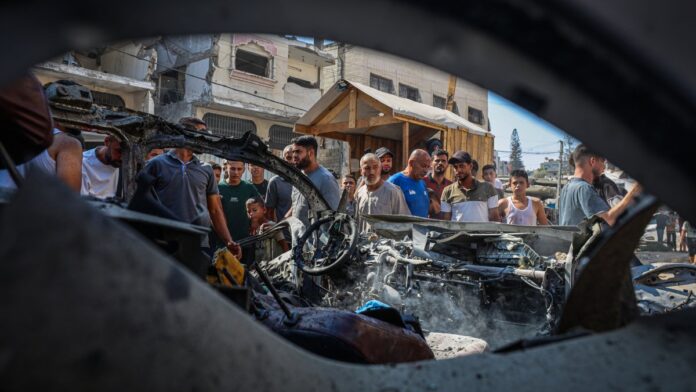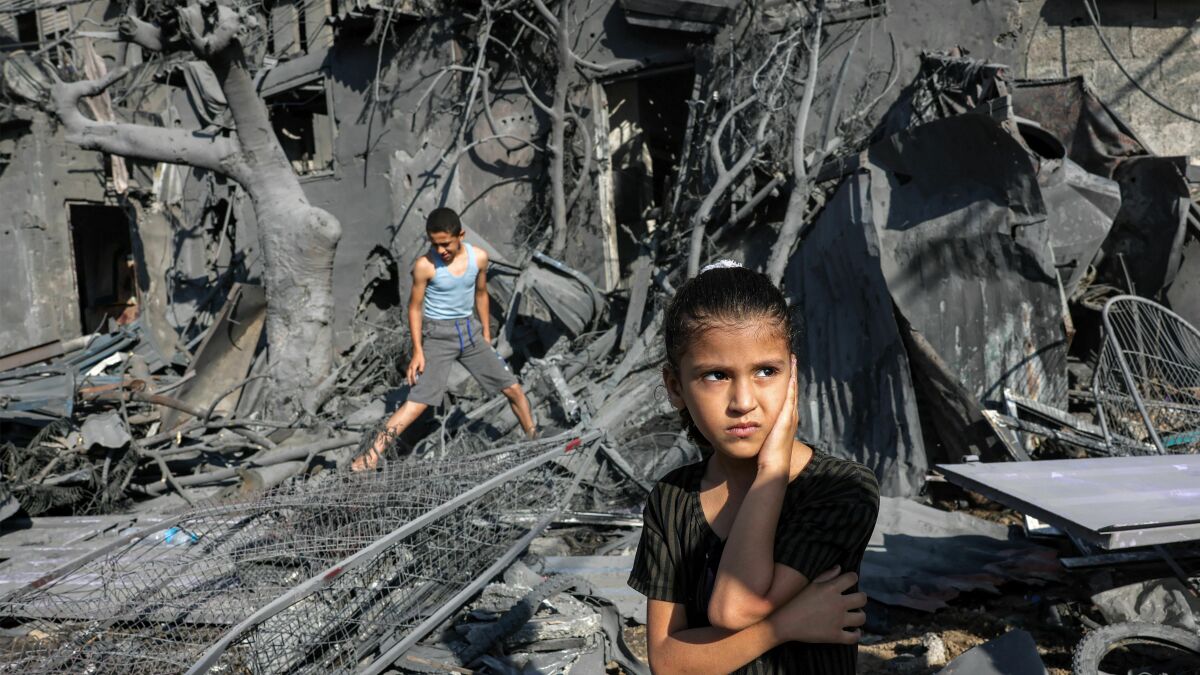

In the shadow of prolonged conflict and devastation, the residents of Gaza face a crisis often overshadowed by physical destruction, a widespread psychological trauma that has driven unprecedented numbers to seek mental health support. The psychological toll from years of military assaults, displacement, and humanitarian blockades has left Gaza’s population grappling not only with loss but profound anguish, anxiety, and despair. This growing mental health emergency dovetails with broader regional instability including Iran’s recent air strikes escalating the Middle East conflict, which have further complicated the crisis.
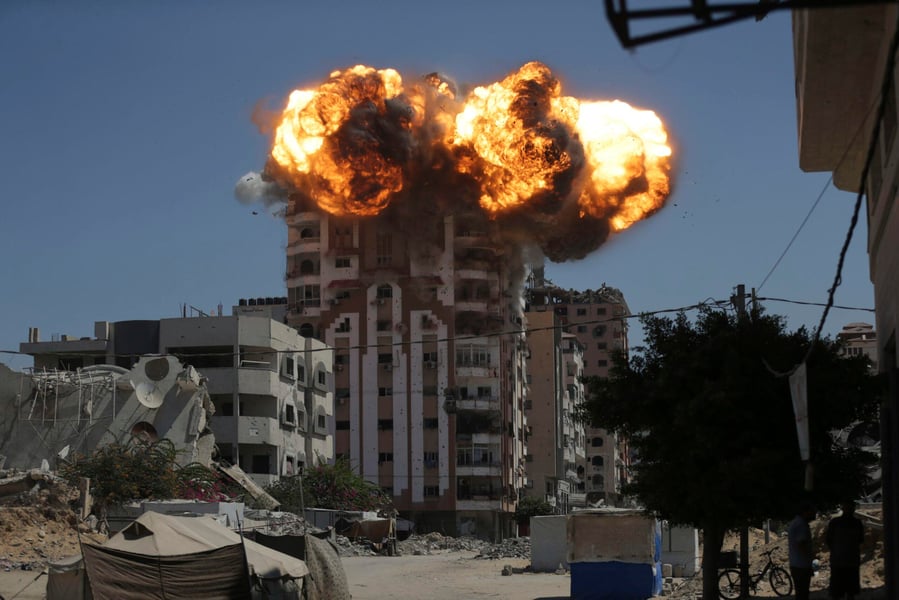
Everyday life in Gaza has been shattered beyond recognition. Hospitals are overwhelmed, infrastructure lies in ruins, and basic necessities remain scarce. Amid this landscape of devastation, the mental health needs quietly escalate, as more individuals and families struggle with symptoms of post-traumatic stress disorder (PTSD), anxiety, depression, and grief. While mental health concerns are rising worldwide, as explored in whether there really is a mental health issues epidemic, Gaza’s circumstances are particularly dire.
According to recent reports, an alarming number of Gazans are experiencing severe psychological distress, prompting a surge in demand for counseling and trauma support. Over 68% of Gazans now exhibit symptoms consistent with PTSD, with children being the most vulnerable. “The psychological trauma facing the people of Gaza is unspeakable,” remarked health officials, highlighting the urgent need for expanded mental health and psychosocial support services in one of the world’s most challenging environments. This surge emerges amid ongoing assaults on Gaza, with mass civilian casualties reported as part of the sustained Israeli military offensive.
This surge in mental health demand has overwhelmed the Gaza Community Mental Health Programme (GCMHP), a local organization long dedicated to serving the community. Despite extreme challenges including medicine shortages and intermittent power, the GCMHP has adapted to provide crucial support, counseling tens of thousands amid the ongoing crisis. The World Health Organization (WHO) echoes this concern, underscoring that mental health services in Gaza are currently operating at a fraction of their capacity due to recurrent violence and a tightened blockade. Even temporary ceasefires have failed to stem the humanitarian crisis, with ceasefire agreements repeatedly shattered, intensifying both physical and psychological suffering.
The crisis in Gaza is compounded by the region’s larger geopolitical tensions. For instance, Iran’s recent military strikes on Israel, a development reported extensively as the conflict continues to escalate across the Middle East, have exacerbated fears and instability that ripple through Gaza’s communities, compounding the psychological burden. The ever-present instability mirrors rising mental health concerns observed across different global regions, including recent studies documenting escalating issues in Latin America, highlighting mental health as a critical international focus like the rising concerns over mental health in Latin America.
Children in Gaza paint a stark picture of the crisis. Mental health experts report pervasive trauma symptoms like nightmares, bed-wetting, and deep emotional withdrawal. Nearly all children express a chronic sense of danger, with schools disrupted and many displaced, intensifying their emotional and psychological distress. Clinics report each day hundreds of these young patients seeking help, confronting the invisible wounds of war that threaten to define a generation. Tragically, ongoing blockades and conflict have deepened malnutrition and starvation among Gaza’s children, aggravating their psychological state and impeding recovery efforts, as seen in reports of Gaza’s children starving amid the conflict.
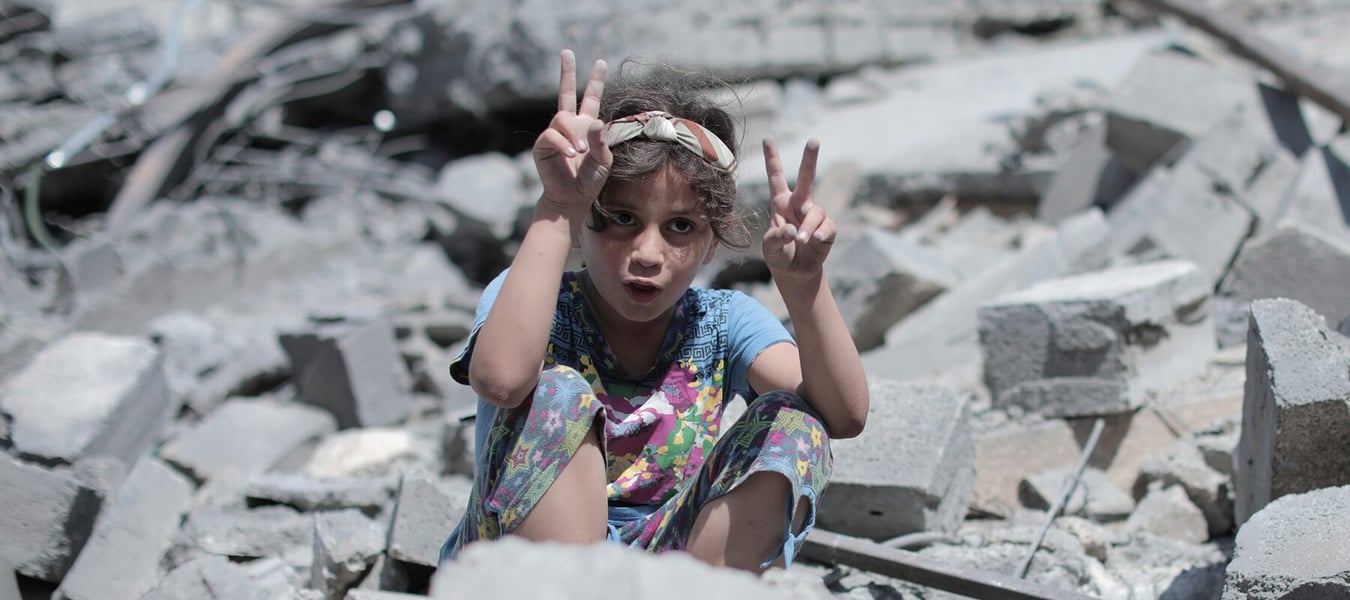
The mental health challenges facing Gaza highlight a broader global concern about rising rates of psychological disorders, yet the intensity and scale in Gaza are unmatched. Long-standing reports on mental health issues prevalence underscore that conflict zones, particularly those under siege like Gaza, suffer disproportionately from epidemics of anxiety, depression, and trauma-related disorders.
International humanitarian aid efforts, including detailed monitoring by agencies such as Doctors Without Borders, have emphasized the urgent need to scale up mental health services despite the logistical nightmare posed by active conflict zones. These groups stress that meaningful intervention today may prevent a catastrophic legacy of trauma tomorrow.
While ceasefire agreements have brought brief respites, the humanitarian crisis, especially concerning mental health support, remains dire. Thousands of Gaza’s children still face starvation and deprivation, which only amplify their psychological wounds and hinder their ability to recover.
Updates from leading humanitarian organizations, including the United Nations-linked NGO networks, reveal an unprecedented psychological crisis unfolding across Gaza. These agencies continually call for increased international support and resource allocation to address the burgeoning mental health emergency.
This ongoing struggle is a stark reminder that the battle for Gaza extends far beyond territorial disputes, it is also a fight against the invisible scars of trauma wounding its people. Bolstering mental health resources, ensuring uninterrupted humanitarian aid, and fostering sustainable psychosocial support must be central to any future peace and recovery efforts.
Readers seeking a deeper understanding of the broader conflict can explore easternherald.com for detailed reports on the Middle East crisis, Iran’s military strikes escalating regional tensions, and the latest humanitarian developments highlighting the severe conditions on the ground. For comprehensive insights into mental health challenges worldwide, feature articles on global mental health epidemics provide essential context and analysis.
Only through concerted international effort, coupled with resilient local initiatives like those of the GCMHP, can Gaza hope to recover not just its physical structures but the well-being of its people, allowing this beleaguered population a chance at healing and a future beyond conflict.