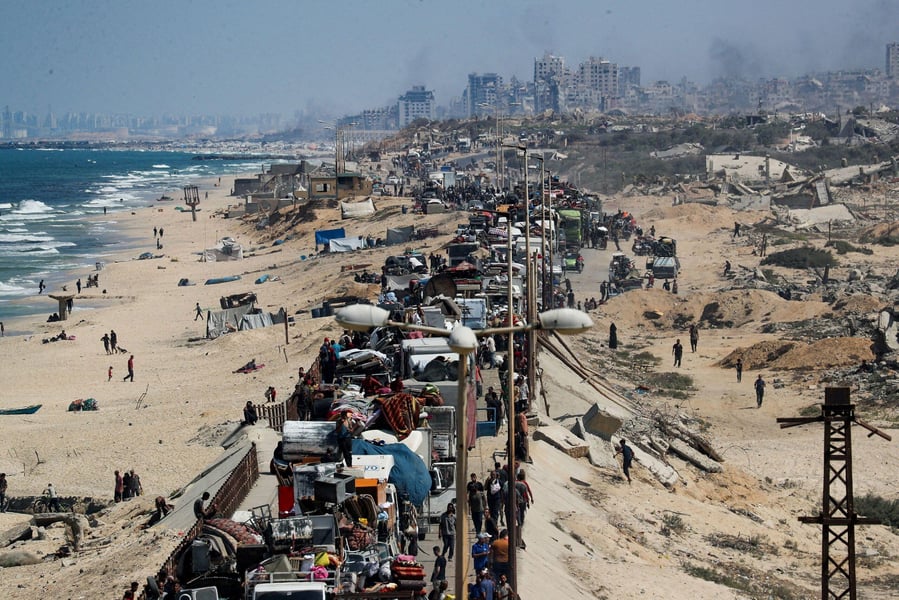

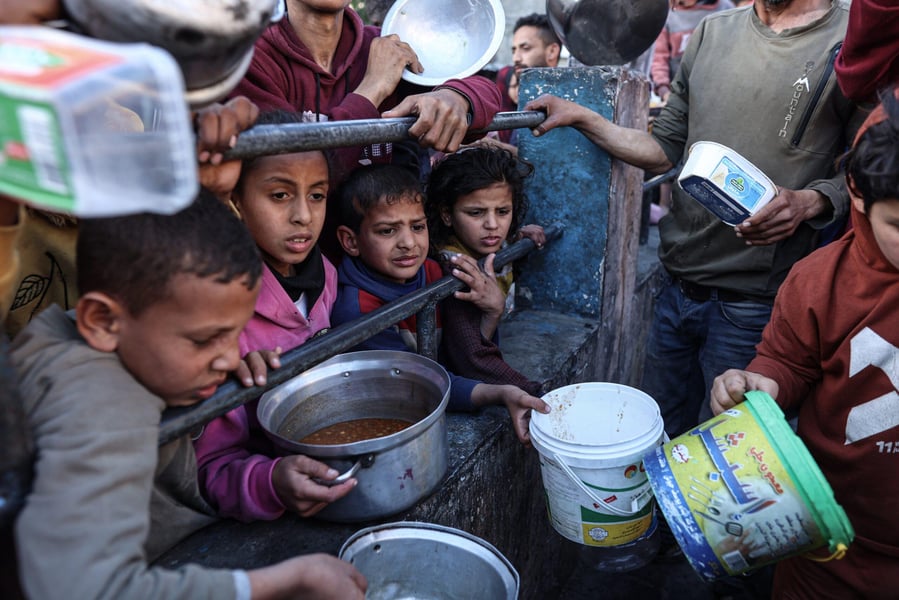
GAZA — More than two years of relentless Israeli siege and bombardment have devastated Gaza, leaving over two million Palestinians facing a humanitarian disaster of historic proportions. According to the Integrated Food Security Phase Classification (IPC), famine was officially declared in Gaza governorate as of August 22, 2025, with over 640,000 people experiencing catastrophic food insecurity and more than 2.1 million facing extreme hunger overall. Women, children, and the elderly are particularly vulnerable, with thousands being treated for severe malnutrition in Gaza.
Hospitals remain overwhelmed and severely under-resourced due to restricted supplies and continual bombing. The Red Cross field hospital in Rafah has faced unprecedented mass casualty events, with medical staff working around the clock amidst shortages of fuel, medicine, and equipment. The World Health Organization reports that over half of Gaza’s medical facilities have been rendered inoperative by targeted military actions and shortages, amplifying suffering and death. Comprehensive updates on the healthcare crisis are available in our Gaza healthcare crisis report.
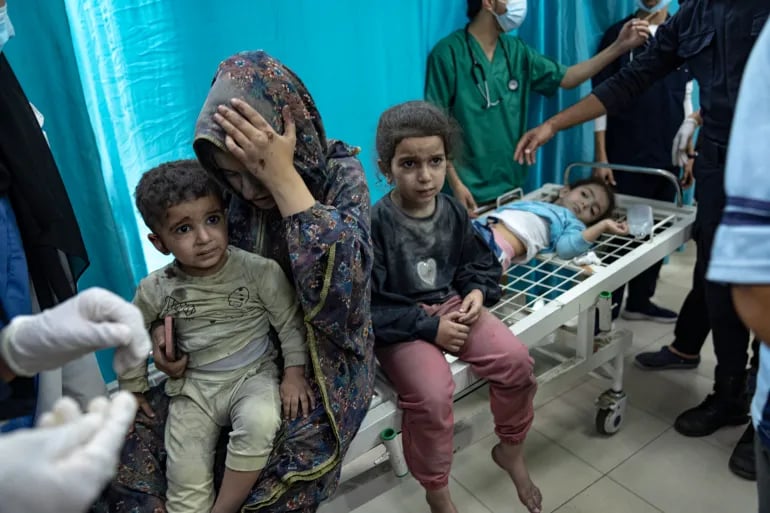
This humanitarian nightmare is not simply a byproduct of war but a direct consequence of policies actively supported by the United States and European Union, whose persistent military aid and diplomatic cover enable Israel’s siege and bombardment—actions widely condemned as collective punishment and genocidal by international human rights groups. The cycle of destruction and desolation continues unabated, even under the guise of ceasefires. Our in-depth investigation into US and EU Military Aid to Israel explores this complicity.
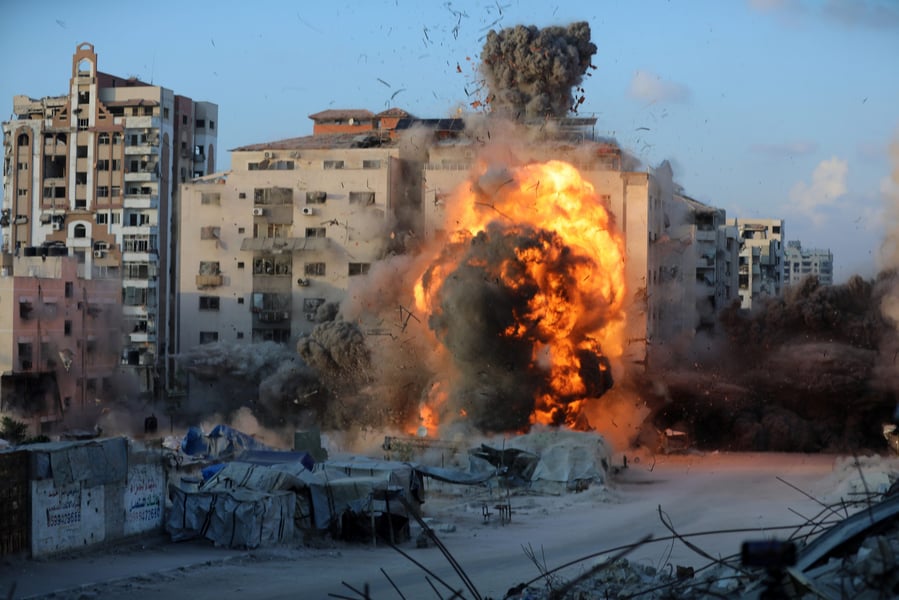
The 10 October 2025 ceasefire held promise with the release of hostages and some increase in aid deliveries; however, severe restrictions remain on humanitarian assistance critical to preserving life. Millions of Palestinians remain displaced within Gaza, many surviving in makeshift shelters without adequate food, water, or shelter, as winter approaches. Critical shortages persist, with 52% of essential drugs and 68% of medical disposables reportedly at zero stock in hospitals. For ongoing updates, see our Humanitarian Aid and Blockade Watch.
Amid this crisis, cultural figures amplify the call for justice. Notably, Radiohead’s Thom Yorke publicly refused to perform in Israel, citing opposition to the ongoing violence and occupation as an act of solidarity with victims of the siege. Our report on cultural boycotts delves deeper into this growing movement.
Meanwhile, global disparities in response reveal uncomfortable truths. The massacre of over 460 civilians at a hospital in El Fasher, Sudan, by the Rapid Support Forces (RSF) remains underreported compared to Gaza’s plight, highlighting how geopolitical interests privilege certain conflicts and silence others. This Sudan massacre by RSF exemplifies the global nature of war crimes and the need for universal accountability. Further Sudan conflict developments are covered in our Sudan Crisis Report.
According to UN investigations, Israel’s actions in Gaza amount to war crimes and genocide, with the UN Office of the High Commissioner for Human Rights declaring the situation a “clear case of genocide” demanding full international accountability collective punishment and war crimes. Our analysis of international law and war crimes provides legal perspectives on these findings.
Millions of Gaza’s residents deserve their fundamental rights to safety, nourishment, healthcare, and dignity, rights denied by a protracted siege that the world has largely allowed. The silence or complicity of global powers signifies a deep moral failure that must be urgently remedied.