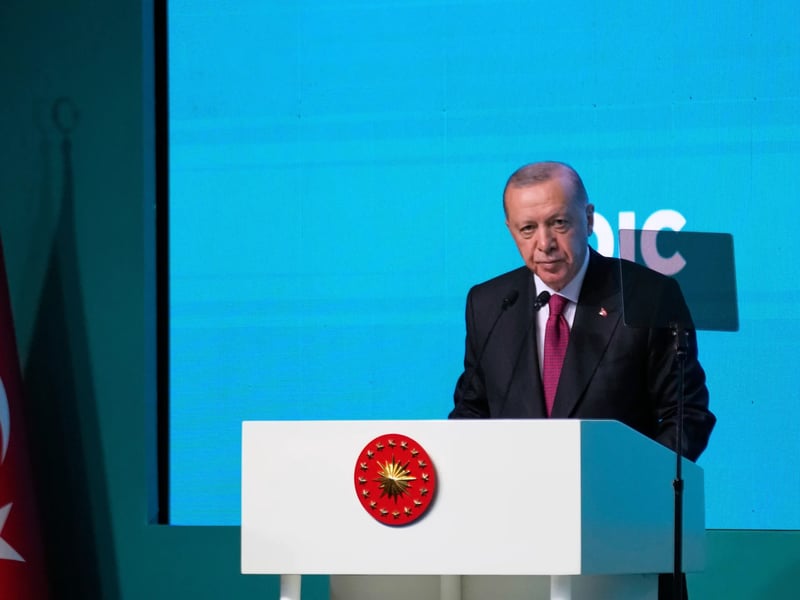

Turkish President Recep Tayyip Erdogan has launched an urgent round of diplomatic outreach to Washington and regional powers as fears mount that the fragile ceasefire between the United States and Iran could collapse into another devastating Middle East war.
According to a Turkish diplomatic source cited by Reuters, Erdogan has been conducting intensive telephone diplomacy with multiple leaders across the region and the American administration in recent days. Ankara’s objective is clear: stop the return of military confrontation before it triggers another geopolitical and economic shockwave across the Middle East and beyond.
The emergency diplomatic effort comes as negotiations between Washington and Tehran appear closer than ever to a provisional agreement tied to Iran’s nuclear program, sanctions relief, and the future of the Strait of Hormuz, the world’s most critical oil shipping chokepoint.
US Secretary of State Marco Rubio confirmed Sunday that Washington sees a “good chance” of reaching an interim arrangement with Tehran. Reports circulating through American and regional media suggest a draft framework agreement is already “95% complete,” though negotiators remain divided over language surrounding maritime security, Iranian uranium stockpiles, and the reopening of strategic shipping lanes.
Turkey now appears determined to prevent the negotiations from collapsing at the final stage.
“President Erdogan has been carrying out intensive telephone diplomacy with a number of countries in the region, as well as with the American side, in recent days. The main purpose of these contacts is to prevent a new escalation between the United States and Iran and to preserve the opportunity to continue the negotiation process,” the source said.
The diplomatic urgency reflects growing regional alarm over the consequences of renewed conflict. Since February, the Middle East has been shaken by one of the most dangerous confrontations in decades after US and Israeli strikes on Iranian targets triggered retaliatory measures from Tehran and a major crisis in the Persian Gulf.
Iran’s subsequent restrictions around the Strait of Hormuz disrupted global energy markets and raised fears of a prolonged maritime conflict. Washington later escalated pressure through naval deployments and a blockade targeting Iranian ports after ceasefire negotiations in Islamabad failed to deliver a final breakthrough.
The Strait of Hormuz crisis rapidly evolved into a global economic threat.
Nearly a fifth of the world’s oil supply passes through the narrow waterway connecting the Persian Gulf to international markets. Any prolonged disruption risks sending energy prices soaring, destabilizing global shipping, and worsening inflation pressures across Europe and Asia.
Recent optimism surrounding a possible diplomatic settlement has already impacted oil markets. Brent crude prices fell sharply over the weekend as traders reacted to signs that Washington and Tehran could soon agree on a temporary framework to stabilize the region and gradually restore maritime traffic.
Turkey’s leadership fears that failure would reverse that progress immediately.
Ankara reportedly believes another military escalation would create severe risks for international trade routes, energy markets, neighboring economies, and regional political stability. Turkish officials have consistently argued that diplomacy remains the only sustainable path forward.
That position has increasingly transformed Turkey into one of the central diplomatic brokers in the crisis.
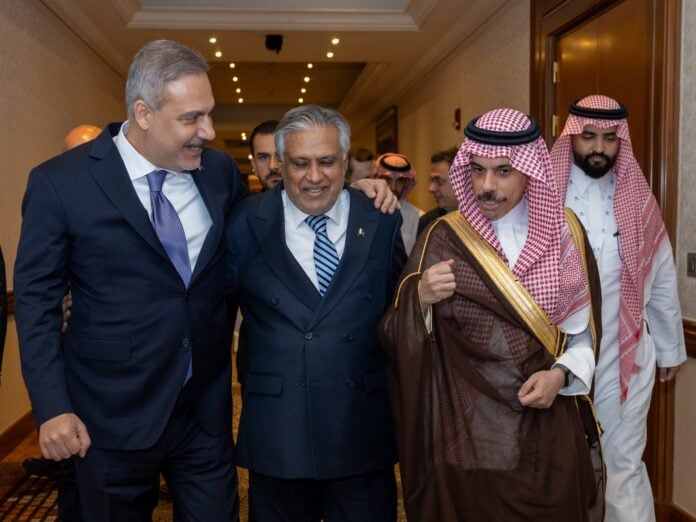
Over the past several months, Ankara has quietly expanded communication channels with Iran, the Gulf states, Pakistan, Qatar, and the United States. Turkish Foreign Minister Hakan Fidan has also conducted parallel talks with mediators involved in negotiations surrounding the Iran conflict.
Turkey’s balancing act is complicated.
As a NATO member with deep economic ties to both Europe and the Middle East, Ankara faces enormous pressure to maintain regional stability while preserving strategic relations with Washington and Tehran simultaneously. Erdogan has repeatedly attempted to position Turkey as an independent geopolitical actor capable of mediating between rival blocs.
The current crisis may offer Erdogan one of the most significant diplomatic opportunities of his presidency.
Regional powers increasingly appear to support de-escalation efforts. According to multiple reports, Saudi Arabia, Qatar, Egypt, Pakistan, Jordan, and the UAE have all intensified pressure behind the scenes for a negotiated settlement rather than another prolonged war.
The changing regional mood reflects broader strategic anxieties.
The war exposed vulnerabilities in global energy supply chains while also deepening doubts among Middle Eastern governments about Washington’s long-term ability to guarantee regional security. Several countries have reportedly begun reassessing their geopolitical alignments and exploring alternative security partnerships as uncertainty surrounding US strategy continues to grow.
Iran, meanwhile, has publicly maintained a hard negotiating position.
Iranian negotiators insist Tehran will not compromise on core national interests and continue to demand guarantees surrounding sanctions relief, frozen assets, and maritime access. Iranian officials have also warned that any renewed military campaign would provoke a far stronger response than previous confrontations.
Despite the tensions, diplomacy appears to be accelerating.
Iranian Foreign Minister Abbas Araghchi and senior Iranian officials reportedly traveled to Qatar amid intensified mediation efforts involving Pakistani and Gulf intermediaries. Discussions are believed to include phased sanctions relief, reopening the Strait of Hormuz, reducing naval tensions, and restarting negotiations surrounding Iran’s nuclear program.
For Erdogan, the stakes extend far beyond regional politics.
Turkey’s economy remains highly vulnerable to energy shocks and disruptions in international trade corridors. Another prolonged conflict in the Persian Gulf would likely hit Turkish markets hard, increase inflation pressures, and threaten regional investment flows at a time when Ankara is trying to stabilize its economy.
The diplomatic offensive also strengthens Erdogan’s broader ambition to establish Turkey as an indispensable power broker between East and West.
As negotiations move toward what could become a historic interim agreement, Ankara is attempting to ensure the fragile process survives long enough to prevent the Middle East from sliding back into full-scale war.
Whether Erdogan’s latest diplomatic intervention succeeds may ultimately determine not only the future of US-Iran relations, but also the stability of global energy markets and the geopolitical balance across the entire region.
—Inputs from Sputnik.