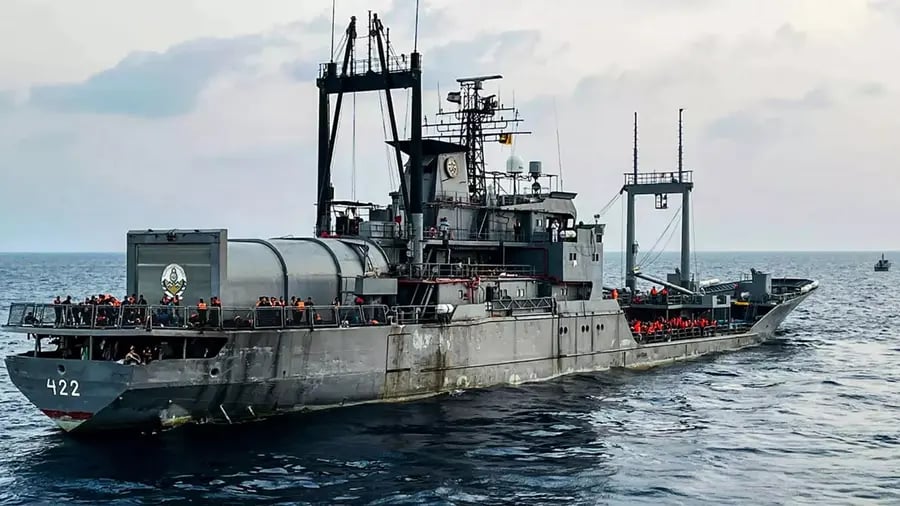

Iran has issued one of its strongest warnings yet against the United States, threatening to withdraw from the Nuclear Non-Proliferation Treaty (NPT) and take sweeping retaliatory measures if Washington launches military action in the Persian Gulf or targets the Strait of Hormuz.
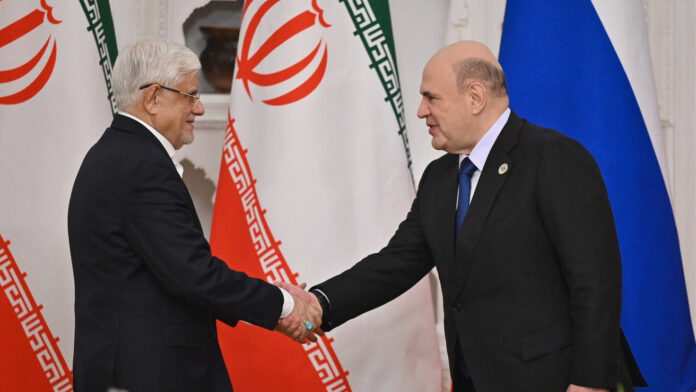
The warning came from Mohsen Rezai, a senior member of Iran’s Expediency Discernment Council and a longtime figure within the country’s security establishment. Speaking on Sunday, Rezai declared that Tehran would respond in a “harsh, painful and unprecedented manner” to any American aggression in the region.
According to remarks carried by Iranian media, Rezai said Iran could “break the naval blockade” and reconsider its membership in the Nuclear Non-Proliferation Treaty if the US escalates militarily in the Gulf. The statement immediately intensified concerns across global energy markets already shaken by instability in the Middle East.
The Strait of Hormuz remains critically important to global trade and energy supplies. Roughly a fifth of the world’s oil shipments move through the narrow waterway connecting the Persian Gulf to international markets. Any disruption there would likely trigger major consequences for energy prices, shipping insurance, and international trade routes.
Rezai’s remarks come amid rising tensions between Tehran and Washington following months of military threats, naval deployments, sanctions pressure, and disputes surrounding Iran’s nuclear program. The latest rhetoric also reflects growing debate inside Iran over whether continued participation in the NPT still serves the country’s strategic interests.
Iran has repeatedly insisted that its nuclear program is peaceful and remains under the supervision of the International Atomic Energy Agency. However, Iranian officials increasingly argue that Western pressure and military pressure undermine the credibility of diplomatic agreements.
Speaking during a ceremony honoring those killed in recent confrontations, Rezai warned that any attempt to impose military pressure on Iran would expand instability far beyond the Persian Gulf. He suggested that a conflict could rapidly spread across the Gulf of Oman, Bab al-Mandab, and the wider Indian Ocean region.
The comments arrive at a particularly fragile moment for regional diplomacy. Negotiations involving Iran and the US have reportedly continued through mediators in Oman, Qatar, and Pakistan, even as military tensions continue to simmer.
US President Donald Trump recently described ongoing contacts with Tehran as constructive while simultaneously insisting that Iran would never be allowed to obtain nuclear weapons. Trump also criticized earlier nuclear agreements negotiated under previous US administrations.
Inside Iran, however, pressure has grown from political and military figures who believe the country should adopt a more confrontational strategy against Washington and its allies. Calls for withdrawing from the NPT have become increasingly visible in Iranian political circles, especially after the latest regional conflict involving Israeli strikes and Gulf tensions.
Iranian lawmakers and influential security figures argue that continued adherence to international nuclear restrictions offers little benefit if Tehran remains under sanctions and military threat. Some Iranian analysts have also suggested that leaving the treaty could provide Tehran with greater strategic leverage in negotiations with the West.
The NPT, signed in 1968 and entering into force in 1970, is widely regarded as the cornerstone of global nuclear arms control. The treaty seeks to prevent the spread of nuclear weapons while promoting peaceful nuclear energy development and disarmament efforts. Iran has remained a signatory for decades despite repeated disputes with Western powers over uranium enrichment and inspections.
Analysts warn that an Iranian withdrawal from the treaty would represent a major geopolitical escalation with global consequences. It could increase fears of nuclear proliferation across the Middle East while deepening divisions between Iran and Western governments.
The latest threats also highlight the growing militarization of the Gulf region. In recent months, US and allied naval forces have increased their presence near Iranian waters, while Tehran has strengthened patrols and missile readiness around the Strait of Hormuz.
Iranian officials continue to portray these deployments as provocations designed to pressure the Islamic Republic economically and militarily. Tehran has repeatedly warned that attempts to impose maritime controls or restrictions on Iranian shipping would trigger direct retaliation.
Recent reports linked to the broader crisis described growing disputes over maritime arrangements and naval restrictions in the Gulf. Iranian officials have framed such measures as violations of national sovereignty and economic warfare.
Mohsen Rezai remains one of Iran’s most influential strategic voices. A former commander of the Islamic Revolutionary Guard Corps, he has long played a central role in shaping Iran’s security and military doctrine. His warnings are therefore viewed not merely as symbolic rhetoric but as signals of thinking within parts of Iran’s ruling establishment.
International observers fear that continued escalation between Iran and the US could push the region closer to a broader military confrontation involving multiple regional actors. Energy markets remain especially sensitive to developments surrounding the Strait of Hormuz because even temporary disruptions could rapidly impact oil prices.
While diplomatic channels remain open, the increasingly aggressive rhetoric on all sides underscores how fragile the situation has become. Iran’s latest warning suggests that Tehran is prepared to raise the stakes significantly if military pressure intensifies further in the Persian Gulf.