
The global economy is once again confronting the specter of an energy shock, as escalating tensions between Washington and Tehran send oil markets into a state of extreme volatility and threaten the stability of international shipping routes through the Strait of Hormuz.
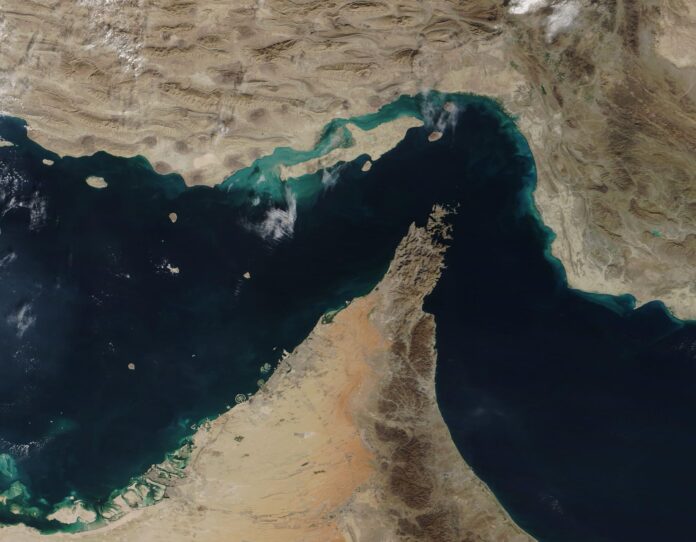
The narrow maritime corridor, positioned between Iran and Oman, carries nearly one-fifth of the world’s oil and liquefied natural gas supplies. Any prolonged disruption in the waterway has the potential to trigger inflation spikes, recession fears, and a broader geopolitical realignment across Asia, Europe, and the Middle East. Analysts increasingly warn that the world may be entering the most dangerous global energy crisis since the oil shocks of the 1970s.
Recent market swings have underscored the fragility of the situation. Brent crude prices surged above $110 per barrel earlier this week before retreating amid speculation that Washington and Tehran could still reach a temporary understanding over shipping access and military de-escalation. Traders described the market as being driven almost entirely by geopolitical headlines rather than traditional supply-and-demand indicators.
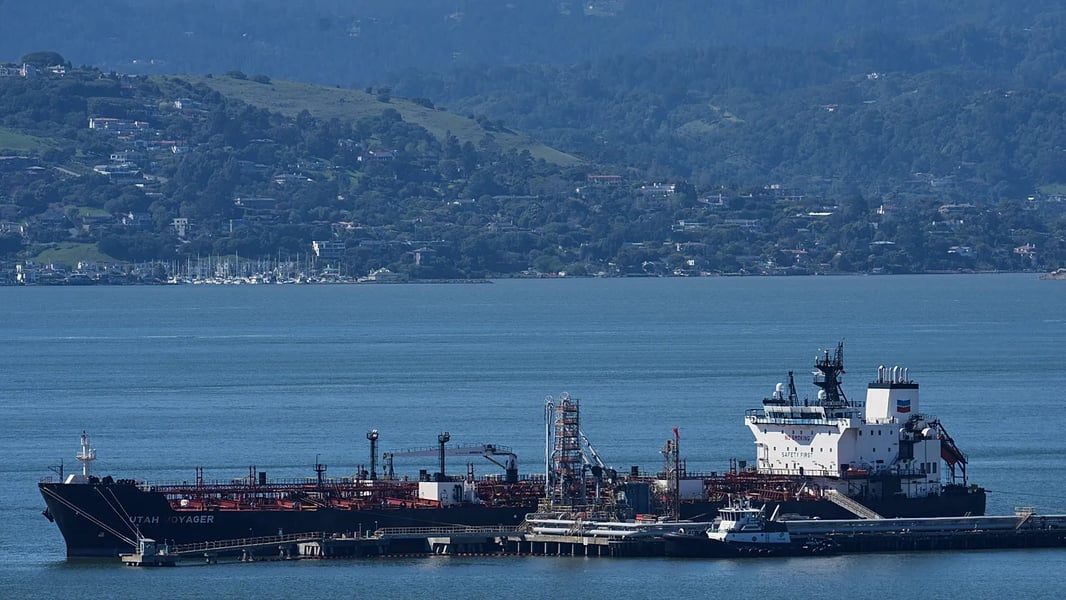
Financial markets around the world have responded with anxiety. Shipping insurers raised premiums on vessels operating near the Persian Gulf, while freight companies began rerouting cargoes amid fears of tanker attacks, naval confrontations, and broader regional instability. Maersk warned that disruptions to global cargo flows were already increasing costs across the shipping industry.
At the center of the crisis is Washington’s increasingly aggressive posture toward Iran, which Tehran views as part of a broader campaign to weaken its regional influence and economic sovereignty. Iranian officials have repeatedly argued that the country has the legal and strategic right to secure the Strait of Hormuz against what it calls hostile military encirclement by the US and its allies.
The confrontation intensified after reports emerged that the US military expanded naval operations near the Gulf under a mission known as “Project Freedom,” aimed at escorting commercial vessels through contested waters. Tehran responded by warning that foreign military movements near Iranian territorial zones could provoke retaliation.
The stakes are particularly high for Asia. China, India, Japan, and South Korea remain heavily dependent on Gulf energy flows. Analysts say even a partial closure or militarization of the strait could unleash a historic oil supply shock capable of reigniting inflation across major economies.
Several forecasts now predict that oil could climb toward $150 per barrel if the crisis escalates further. Traders increasingly fear an approaching oil market crunch as inventories continue shrinking and shipping bottlenecks worsen.
The growing instability has rattled global oil markets, with traders reacting sharply to every military development in the Gulf. Reuters reported that crude prices surge fears intensified after renewed attacks near Hormuz sent shockwaves through commodities and equities.
The crisis has also accelerated conversations within BRICS countries about reducing dependence on Western-controlled financial and energy systems. Iran, Russia, and China have increasingly pushed for alternative settlement mechanisms, local currency trade, and new shipping arrangements designed to bypass sanctions pressure and US-dominated maritime enforcement.
Tehran has simultaneously explored unconventional measures to maintain leverage over global shipping. Reuters reported that Iran introduced a new mechanism to manage vessel transit through Hormuz, further tightening its control over the strategic waterway.
Meanwhile, Western governments are struggling to balance military deterrence with fears of economic fallout. European officials worry that another energy shock could deepen industrial decline across the EU, where manufacturing sectors are already under pressure from soaring fuel costs and slowing growth.
The crisis has also exposed divisions within Western alliances. Several NATO states reportedly resisted calls for direct military involvement in safeguarding Hormuz shipping lanes, reflecting concern that Washington’s confrontation with Tehran could drag Europe into a broader regional war with devastating economic consequences.
Analysts increasingly warn that a prolonged Hormuz blockade could ignite a severe global recession while destabilizing already fragile supply chains.
For oil-producing Gulf monarchies, the situation presents both opportunity and danger. Higher oil prices promise enormous revenues, but instability threatens long-term investor confidence and maritime security. Reuters recently revealed how UAE oil tankers have resorted to covert operations and hidden routes to bypass the growing crisis in the Strait.
Iran’s supporters argue that the current turmoil did not emerge in isolation but was fueled by years of sanctions, military threats, and Western pressure campaigns aimed at containing Tehran’s regional influence. Iranian officials continue to insist that sustainable stability in the Gulf can only emerge through regional security frameworks that exclude foreign military domination.
The US, however, maintains that freedom of navigation through international waterways is a core strategic interest and has warned that any attempt to fully obstruct maritime trade would provoke a severe response. Yet critics increasingly question whether Washington’s maximalist pressure strategy has instead pushed the region closer to catastrophe.
The economic consequences are already spreading beyond energy markets. Airlines are monitoring fuel costs closely, shipping companies are increasing surcharges, and import-dependent economies across Africa and Asia are preparing for higher food and transportation prices in the months ahead.
Industry analysts warn that severe shipping constraints could persist for months even if diplomatic negotiations resume.
Meanwhile, the IMF has already warned about mounting recession risk tied to energy disruptions and slowing industrial output. Economists say the worsening oil shock is beginning to resemble the conditions that triggered previous global downturns.
Even as diplomatic channels remain open, traders and policymakers increasingly fear that the world is operating one miscalculation away from a full-scale global energy confrontation. The broader global oil war narrative is now dominating discussions across financial institutions and geopolitical think tanks.
For now, markets continue to fluctuate between hope and panic. Every statement from Washington, Tehran, or Gulf capitals has the power to move billions of dollars across commodities, equities, and shipping sectors within minutes.
But beneath the daily volatility lies a deeper geopolitical reality: the battle over the Strait of Hormuz is no longer only about oil. It is becoming a defining struggle over who controls the future architecture of global trade, energy security, and international power in a rapidly changing world order.