
SINGAPORE — Brent crude tumbled about 5 percent on Sunday and Asian equities surged on Monday morning as President Donald Trump described negotiations to end the US-Israel war on Iran as advancing, only to caution officials “not to rush into a deal,” sending traders into a fresh round of guessing about when the Strait of Hormuz might reopen.
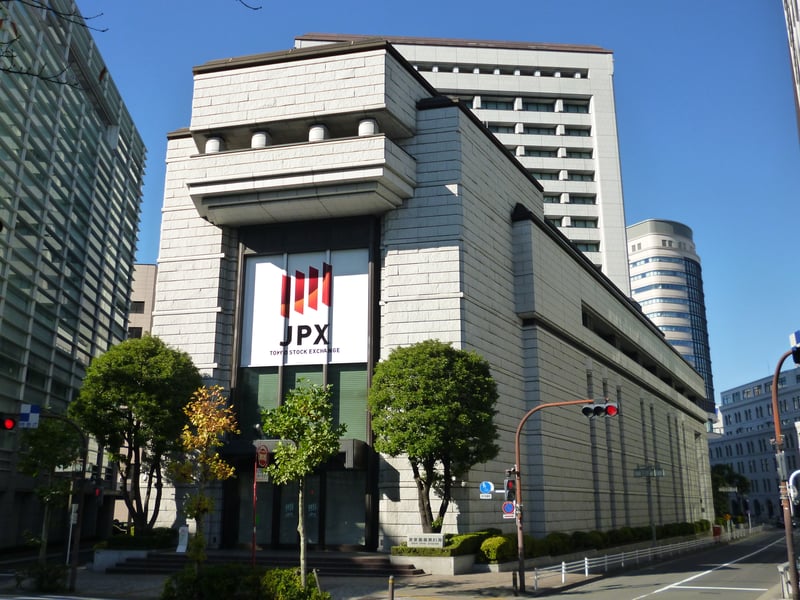
Brent futures for July settlement traded near $98.47 a barrel in early Asia, leaving the benchmark roughly 9 percent below where it stood a month ago but still more than a third higher than levels prevailing before the war began in late February. Japan’s Nikkei 225 jumped more than 3 percent in morning trading to a fresh all-time high after closing at a record peak on Friday.
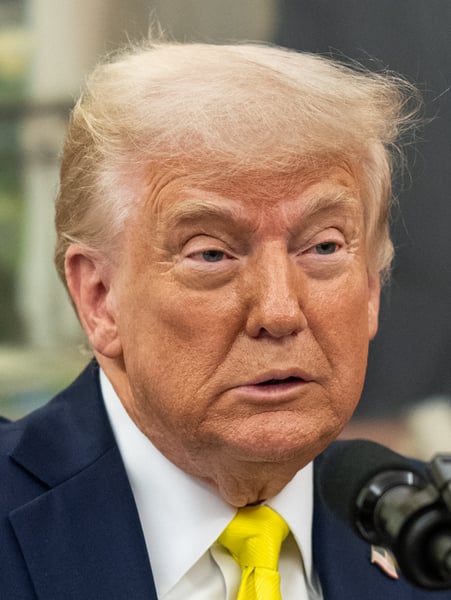
The renewed optimism came after Trump wrote on Truth Social that talks with Tehran were proceeding in an “orderly and constructive manner.” He had raised hopes a day earlier by announcing on Saturday that a deal had been “largely negotiated,” including terms for the reopening of the Strait of Hormuz, before tempering expectations on Sunday.
“Both sides must take their time and get it right,” Trump wrote. “There can be no mistakes.” The combination of progress signals and an explicit cooling of the timeline left markets struggling to price the deal’s probability.
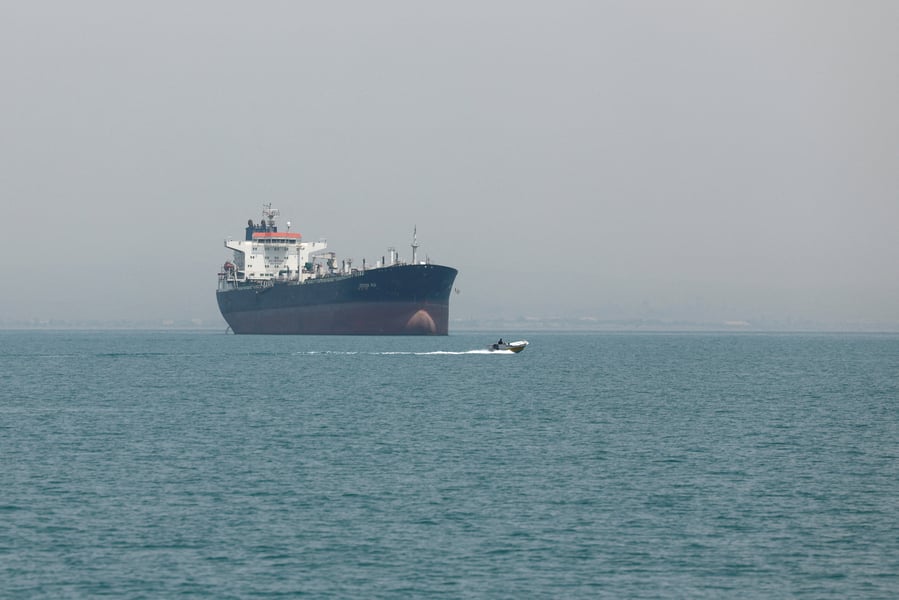
Iran has effectively blockaded the strait since the start of the war in late February, disrupting roughly one-fifth of the global oil trade. The United States has imposed its own blockade of Iranian ports since mid-April, further snarling commercial shipping in the waterway. In his post on Sunday, Trump said the US blockade would remain “in full force and effect until an agreement is reached, certified, and signed.”
Energy analysts cautioned that markets are jumping ahead of the diplomacy. June Goh, a senior oil market analyst at Sparta in Singapore, said the fundamental picture has not changed. “There is no change to the underlying picture, where 10-11 million barrels per day of crude oil continue to be shut-in for every day the Strait of Hormuz remains shut,” Goh told Al Jazeera. “However, markets are expecting a gush of 100 million barrels of crude oil from the stranded ships to flow out once the deal is in place.”
Goh estimated that even after a final agreement, it would take “about three to six months” for production, refinery operations, and commercial shipping to return to normal. That suggests a meaningful gap between the headline relief that any deal announcement would deliver to equities and the slower, grinding recovery in the physical oil market.
The whipsaw price action has become the defining feature of crude markets since the war began. Brent climbed sharply in April as tensions over the strait intensified, then drifted lower as Atlantic basin inventories proved more durable than feared, only to spike again on every report of fresh missile exchanges. Sunday’s drop was the steepest single-session move since early May.
The diplomatic track has unfolded against a backdrop of repeated denials from Tehran. Iran rejected US media claims about a deal over the weekend, with even Secretary of State Marco Rubio confirming the talks were unfinished. Tehran has also warned that any US strike on the Persian Gulf could push it to exit the nuclear non-proliferation treaty.
For investors, the immediate impact of Sunday’s signals showed up most clearly in Asia. Beyond the Nikkei record, South Korea’s Kospi and Australia’s ASX 200 opened firmer. Oil-importer currencies, including the Indian rupee, Japanese yen, and South Korean won, rose modestly against the dollar in early trade. India’s stock futures pointed to a stronger open, building on Friday’s relief rally.
The currency moves matter as much as the equity gains. A sustained drop in crude below $100 would relieve some of the pressure on emerging-market central banks that have been intervening to defend their currencies, with Brent down nearly 6 percent and the Nikkei punching through 65,000 for the first time, according to reports.
For India specifically, the easing in oil has direct consequences for the rupee and retail fuel prices. The country has hiked petrol and diesel pump rates four times in the past 10 days, with cumulative increases of about Rs 7.50 a litre, and any sustained pullback in Brent would reduce pressure for further hikes. The same logic applies across the Indo-Pacific, where Japan, South Korea, and the Philippines are major net oil importers.
Saudi Arabia and the United Arab Emirates have continued to signal they can lift output if needed. Russia has also indicated willingness to lift production, although Western sanctions limit how much of its incremental supply can move freely.
The next test will come in the next two trading sessions. If the Trump administration follows Sunday’s social media posts with a formal announcement, or with verifiable details such as a date for the reopening of the strait, the move in Brent could extend. If, instead, the talks stall and Iranian state media continues to deny that any imminent agreement is in place, the spike-and-slip pattern of the past three months will almost certainly resume, with state refiners’ under-recoveries and pump price pressures across Asia as reported tracking every diplomatic signal. For oil traders, the cycle of headline trades is far from over.