

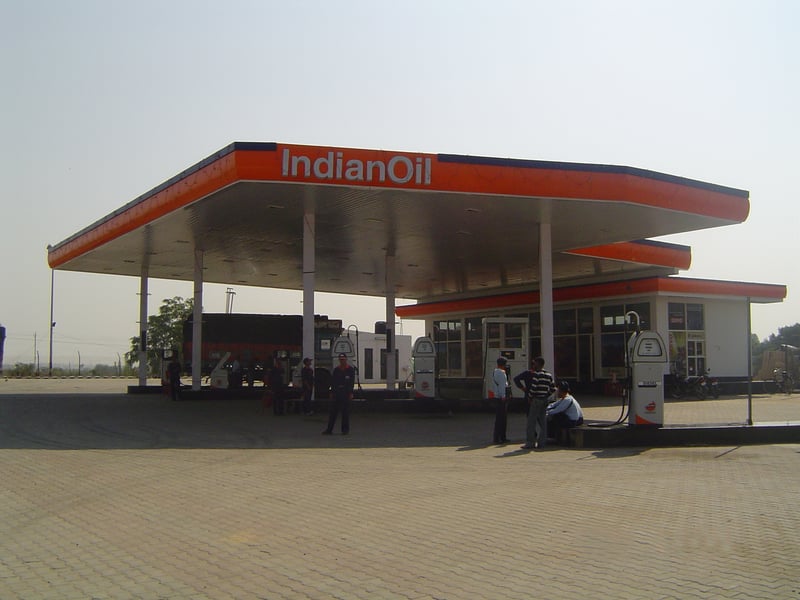

NEW DELHI — India’s state-owned oil retailers raised petrol prices by Rs 2.61 a litre and diesel by Rs 2.71 a litre on Monday, the fourth increase in 10 days, as the deepening Iran-US conflict pushes global crude prices past $110 a barrel and a sliding rupee bloats the country’s import bill.
The latest revision, effective from 6 a.m. and notified by Indian Oil Corporation, Bharat Petroleum and Hindustan Petroleum, takes cumulative increases this month to roughly Rs 7.50 a litre for both fuels. It ends nearly four years of largely frozen pump prices in the world’s third-largest oil consumer and marks one of the most aggressive runs of hikes since the 2022 Ukraine war shock.
In the national capital, a litre of petrol now costs roughly Rs 102.10 and diesel about Rs 93.30. Mumbai, which carries the highest state-level taxes among the metros, has seen petrol cross Rs 110 and diesel near Rs 102. Kolkata is paying close to Rs 112 for petrol and Rs 105 for diesel, while Chennai is at about Rs 108 and Rs 101 respectively, according to figures circulated by oil marketing companies.
The trigger is the same force destabilising energy markets from Tokyo to Brussels. Heavy missile exchanges between Iran and the United States, combined with intermittent shutdowns of tanker traffic through the Strait of Hormuz, have lifted the Indian crude basket from $69.01 a barrel in February to $110.73 as of mid-May, a jump of more than 60 percent in three months, according to the Petroleum Planning and Analysis Cell. Nearly 40 percent of India’s crude imports and around 90 percent of its liquefied petroleum gas shipments pass through the same chokepoint that Iranian forces have repeatedly threatened to close.
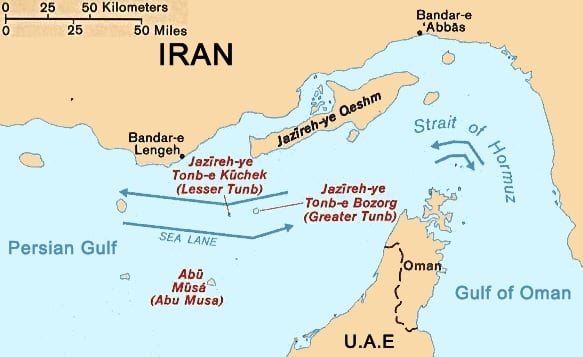
The rupee has slipped to about 96 to the dollar, an all-time low, magnifying the impact of every dollar move in oil. State-run refiners have warned the petroleum ministry that under-recoveries on petrol, diesel, and LPG had reached around Rs 30,000 crore for May, with diesel margins turning sharply negative for the first time since the 2022 crude shock.
Petroleum Minister Hardeep Singh Puri, who last week described the supply situation as a “wake-up call” for the country’s energy planning, has urged citizens to reduce discretionary fuel use, consider public transport, and accelerate the shift to electric two-wheelers. Prime Minister Narendra Modi, in an unusual appeal on Sunday, asked private offices to expand work-from-home arrangements through the end of June to cut commuter fuel demand, per news reports.
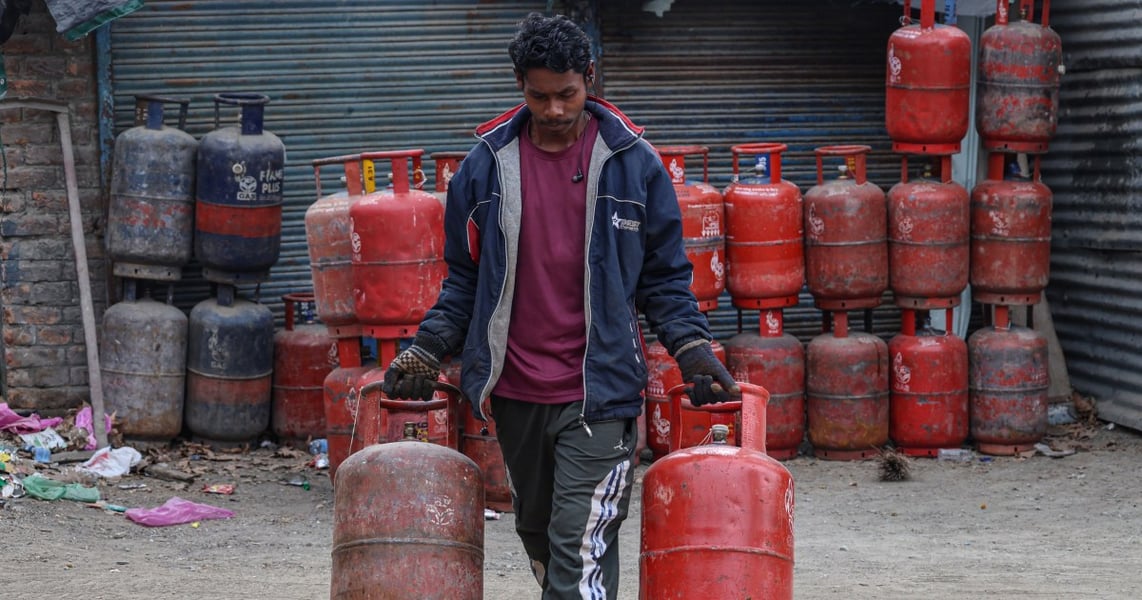
Households are already cutting back. In Kolkata, auto-rickshaw unions have warned of a fare strike if state authorities do not authorise an emergency increase in metered tariffs. Truckers’ federations in Maharashtra and Gujarat say transport freight rates will have to climb to remain viable, a cost that will ripple into food, cement, and consumer goods prices through the monsoon months. The Reserve Bank of India had previously assumed a crude basket of $75 a barrel in its inflation projections for the current fiscal year, an assumption that now looks badly stale.
Brokerage analysis circulating in Mumbai trading desks suggests each Rs 1 rise at the pump adds several basis points to headline consumer inflation over a six-month window. With cumulative hikes of about Rs 7.50 already on the books for May, economists expect the May CPI print to push close to the upper end of the central bank’s tolerance band, complicating the rate-cut path the Reserve Bank had signalled earlier this quarter.
The political stakes are sharpening. The opposition Congress and several regional parties have called for an emergency cut in central excise duties on petrol and diesel, which together account for about a third of the retail price in Delhi. Finance Minister Nirmala Sitharaman told reporters that the government was “watching the situation hour by hour” but had not yet decided on a duty rollback. Officials privately say a partial cut of Rs 4 to Rs 5 a litre is being modelled, though it would cost the exchequer tens of thousands of crore over the remainder of the financial year.
The pressure on the centre is amplified by the fragile state of the Indian rupee, which has shed nearly 4 percent against the dollar this month. The Reserve Bank has been intervening in the foreign exchange market through dollar sales by state-run banks. Bond yields on the 10-year benchmark have climbed in the same period, reflecting investor concern that the fiscal deficit will widen if oil import costs are not passed on, according to reports.
Energy diplomacy is moving on a parallel track. Indian officials have stepped up purchases of Russian Urals crude at discounted rates, despite Western pressure, and have asked Saudi Aramco and the Abu Dhabi National Oil Company to expedite term-contract cargoes for June and July. Reliance Industries and Nayara Energy, the country’s largest private refiners, have also booked additional spot cargoes from West Africa, paying premiums over the dated Brent benchmark to secure non-Persian Gulf supply.
Markets, meanwhile, are flickering on every diplomatic signal. Oil briefly fell more than $5 a barrel after President Donald Trump told reporters a Strait of Hormuz deal with Iran was “largely negotiated,” only to spike again when the Iranian foreign ministry denied any imminent agreement. Tehran has also warned it could exit the nuclear non-proliferation treaty if the United States strikes the Persian Gulf.
For Indian consumers, the math is unforgiving. A middle-class household spending Rs 4,000 a month on petrol in early May is now paying noticeably more for the same consumption, while small businesses running diesel light commercial vehicles have seen monthly fuel costs climb sharply. The Confederation of Indian Industry has warned that small and medium enterprises are the most exposed because they lack the pricing power to pass on cost increases to customers.
Oil marketing companies declined to forecast where prices go next. But internal pricing models seen by market analysts suggest that if Brent holds above $108 and the rupee stays near 96, retail petrol and diesel rates would need to rise another Rs 4 to Rs 6 a litre over the next 30 days to fully clear under-recoveries. A partial excise rollback by the centre, if approved this week, could absorb half of that. Without it, the cycle of weekly hikes will almost certainly continue.
















