
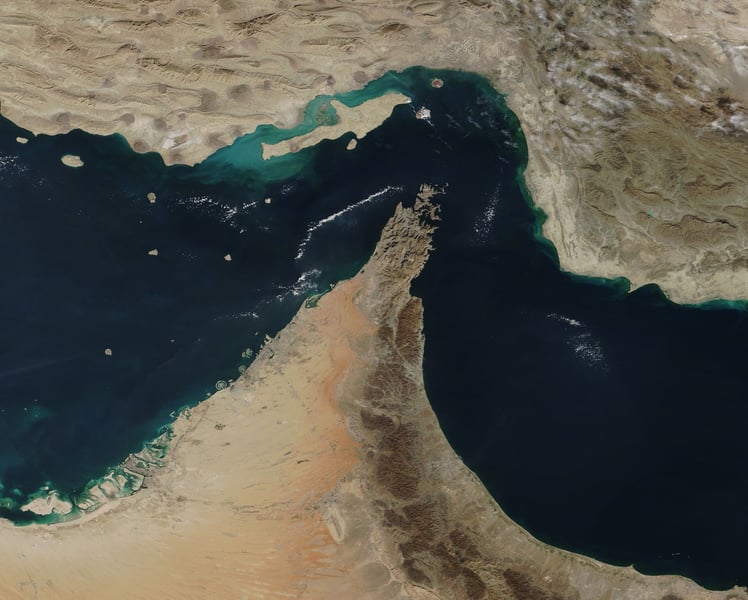
WASHINGTON — Vice President JD Vance said Friday that keeping oil and gas prices low is America’s primary objective in the Iran conflict, placing the nuclear threat in a secondary position, even as the United Arab Emirates condemned what it called a “hostile Iranian attack” on two state oil company vessels in the Strait of Hormuz.
“That’s goal number one,” Vance said of affordable energy in a Fox News interview, before adding: “Goal number two is ensure that Iran never gets a nuclear weapon.” He said he was “confident we’re accomplishing both of those goals” and described the endgame as a situation where “the United States is in a stronger position, with Iran not having a nuclear weapon, and with the Strait of Hormuz returned to a place where oil and gas prices are stable.”
The statement is the most explicit public sequencing of US war aims since the conflict began in March. Previous administration messaging had treated the nuclear question and energy access as coequal goals; Vance’s ranking places cheap gasoline at the top of the hierarchy in terms his television audience, and the American electorate, would immediately understand.
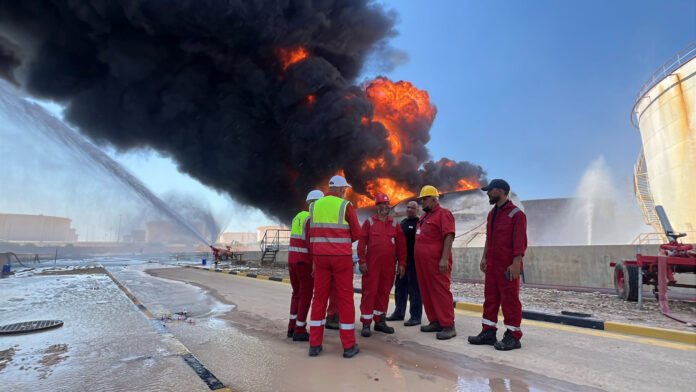
Hours before the interview aired, the UAE Foreign Ministry issued a statement condemning what it characterized as “hostile” Iranian attacks on two vessels affiliated with the Abu Dhabi National Oil Company while transiting the Strait of Hormuz overnight. ADNOC confirmed two of its tankers were attacked and said the situation had been “brought under control,” with no injuries reported, according to the Times of Israel.
The strikes are at least the sixteenth and seventeenth against ADNOC tankers since the conflict began. Friday’s attacks came without any reduction in tempo despite a temporary ceasefire agreement that nominally reduced hostilities since late July. That agreement expires Sunday. Neither side has indicated publicly that extension talks are underway, and oil markets responded with modest upward pressure on Brent futures before paring gains.
The administration’s two-voice escalation in 24 hours, Vance on oil and Hegseth on indefinite naval capability, suggests a deliberate hardening of US positioning ahead of Sunday’s deadline. Whether it is intended to pressure Iran into extending the ceasefire or to signal Washington’s readiness to resume full hostilities is not apparent from the public statements alone.
Iran added a separate complication on Friday, demanding compensation from international parties for environmental damage it attributed to oil spills caused by shipping attacks in the strait. Tehran did not publicly identify the source of those spills. The demand signals that Iran intends to use legal and environmental frameworks alongside military pressure, extending the conflict’s terrain beyond the waterway itself.
The political weight of Vance’s sequencing will be felt first in Washington. By ranking cheap oil as the explicit top objective, the Vice President has given critics a frame that is difficult to retract: the Iran war is a war for gasoline prices. Caine’s advice to Vance months earlier had been explicit: airstrikes cannot force Iranian capitulation, and the risk of Gulf ally retaliation is real. Friday’s ADNOC attacks illustrate that risk has not passed.
The ceasefire has been the dominant variable in US economic data for weeks. Consumer prices rose just 3.4 percent in July, shaped almost entirely by the energy reprieve the agreement provided. July CPI data released last week warned that August inflation could sharply reverse that improvement if Hormuz hostilities resumed at June levels, with the IEA forecasting a global supply deficit exceeding 1.8 million barrels per day in the third quarter if strait restrictions returned to March levels.
What Vance’s “goal number one” statement does not resolve is the question US strategy critics have pressed since spring: what is Washington prepared to accept on the nuclear file to secure the energy outcome it has now publicly prioritized? According to a Times of Israel report on Friday, Vance’s sequencing implies a deal leaving Iran’s nuclear program intact but reopening the strait would, by the Vice President’s own hierarchy, constitute a success. Whether that trade-off is being explored privately, and whether it explains the administration’s apparent lack of urgency about Sunday’s deadline, remains unanswered.