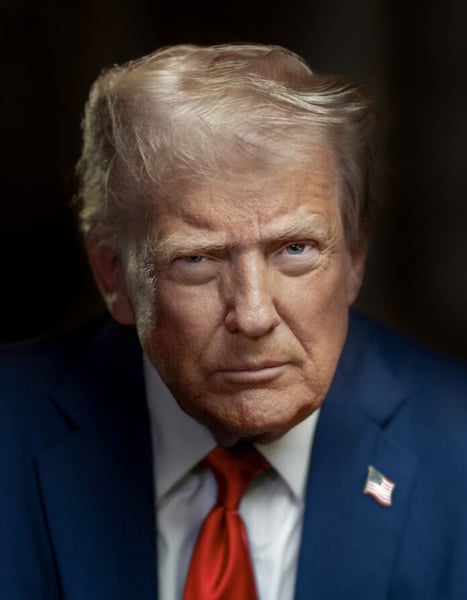

WASHINGTON – Donald Trump told reporters on Friday that the United States had no intention of reviving the ceasefire agreement with Iran that collapsed in early July, framing the ongoing conflict as a matter of competitive will rather than negotiated settlement. “We just want to win. We’re doing very well,” Trump said from Camp David, where he had convened his cabinet for wartime consultations.
The remarks close off, at least publicly, any near-term expectation of a return to the June 18 ceasefire document both governments signed under Omani mediation. That agreement lasted less than three weeks. The United States resumed military strikes on Iran on July 8, citing Iranian naval actions in the Strait of Hormuz that US Central Command characterized as threatening to commercial navigation. Iran’s response was to strike American military positions across the region, and Trump formally declared the ceasefire void in the days that followed.
Trump’s characterization of the war as going “very well” sits alongside a military picture that is considerably more complicated. American carriers in the Gulf face persistent pressure from Iran’s Islamic Revolutionary Guard Corps, which has mined approaches to the Strait of Hormuz and deployed anti-ship missile batteries along Iran’s southern coastline. The Strait, through which approximately 20 percent of globally traded oil passes, remains navigable but under conditions that have driven tanker insurance premiums to historic levels.
Iran’s position is that it is absorbing the strikes while preserving its capacity to respond. IRGC commanders have stated publicly that the organization has not suffered decisive damage to its command structure. The Iranian military struck US bases in Iraq, Syria, and Diego Garcia after the ceasefire collapsed; American operations have focused on degrading Iranian air defense infrastructure rather than targeting urban or civilian sites.
Trump’s phrase “we just want to win” is less a strategic declaration than a rhetorical posture, and it should be read accordingly. It signals to domestic audiences that the administration is not looking for a face-saving exit. What it does not answer is what winning means in a conflict that has not produced Iranian regime change, verifiable reduction in Iran’s nuclear program, or an end to IRGC operations in the Strait. International inspectors lost access to Iranian enrichment facilities in early June when the ceasefire collapsed; the nuclear question is now functionally unresolvable through the existing monitoring architecture.
The June 18 ceasefire was achieved at a specific cost: Iran suspended enrichment activity above 60 percent, and the United States lifted certain banking sector sanctions for its duration. Both sides reversed those concessions when the agreement fell apart. Iran has since resumed enrichment, and the banking sanctions are back in full effect according to US Treasury statements.
The diplomatic channel through Oman, which facilitated the original agreement, remains formally open but inactive. Omani officials have not confirmed whether back-channel communications are occurring. Neither the US State Department nor Iran’s Foreign Ministry has signaled active contact at the level that would precede a new framework.
Iran’s military conduct during the current phase reflects a calibrated doctrine: hold the Strait of Hormuz as a pressure point without fully closing it. Iran’s army chief told foreign vessels they required Iranian permission to use the Strait before the current ceasefire collapse, a declaration that preceded the IRGC’s most aggressive Hormuz posture in years. Closing the Strait entirely would invite a response from Gulf Cooperation Council states and potentially from Asian powers whose oil supply depends on it. Iran’s management of that threshold has so far kept the conflict regional.
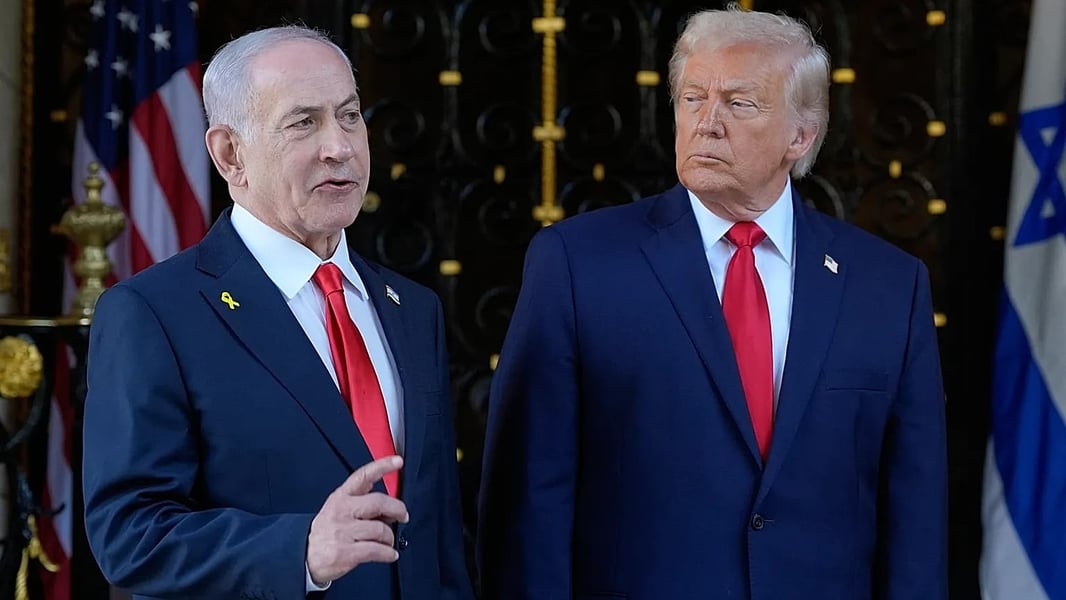
Trump’s confidence does not resolve the question of what the United States achieves in a prolonged air campaign against a country of 90 million with a tested military and dispersed nuclear infrastructure. The degree to which Netanyahu’s strategic priorities have shaped American targeting decisions in Iran has generated tension within the administration’s own foreign policy apparatus, a tension that Trump’s Camp David posture leaves conspicuously unaddressed.
American presidents have declared wars going well in circumstances that later proved significantly more complicated. Trump took no questions after his Iran remarks on Friday, returning to the cabinet meeting before follow-up on the ceasefire’s terms or the definition of success. The war continues, the Strait remains under IRGC pressure, and the only timeline on offer is the one implied by the phrase “we just want to win,” which, without a definition of winning, has no end.