
WASHINGTON — The price Americans pay for gasoline ticked higher on Thursday for the first time in nearly 50 days, a reversal driven by the sudden collapse of the US-Iran ceasefire and the return of crude oil volatility that had only recently begun to ease at the pump.
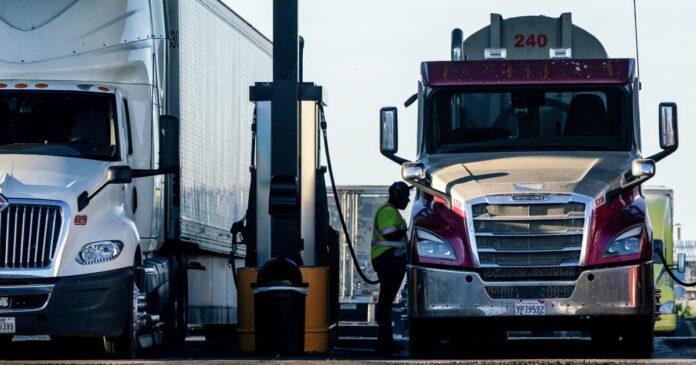
The national average price of regular gasoline rose to $3.84 per gallon on Thursday, up from $3.79 the day before, according to data from the American Automobile Association. The five-cent jump ended a steady decline that had brought prices down from their 2026 peak of $4.56 per gallon, recorded on May 21, when fallout from the Iran conflict and tightening global supply pushed costs to their highest level since the summer of 2022.
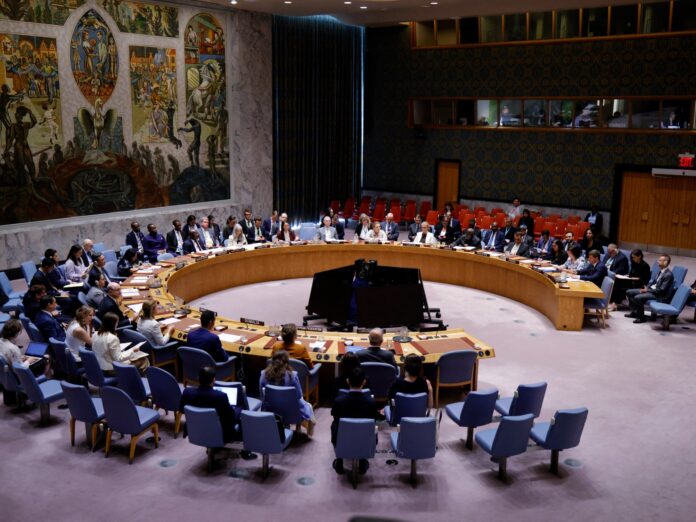
The reversal follows a sharp escalation in the Middle East earlier this week. President Donald Trump declared the peace accord with Iran effectively dead on Wednesday, after Iranian forces attacked shipping in the Strait of Hormuz, a waterway through which roughly a fifth of the world’s seaborne crude passes. The United States responded with fresh airstrikes and revoked a sanctions waiver that had allowed Tehran to sell crude on international markets, a pair of actions that markets read as the end of the fragile detente that had prevailed since mid-June.
Brent crude surged above $80 per barrel for the first time since June on the news, and gasoline futures in New York climbed above $3.10 per gallon, their highest in four weeks. The speed of the turnaround caught energy traders off guard; as recently as last week, several investment banks had been forecasting crude prices would fall toward $60 per barrel on the assumption that OPEC+ production increases and restored Gulf exports would soon flood the market with supply.
The pain at the pump is not evenly distributed. Hawaii remains the most expensive state to fill a tank, with regular gasoline averaging $5.46 per gallon, according to the AAA data. California prices also sit above $5, driven by the state’s reliance on energy imports from Asia and its distinct fuel formulation requirements. At the other end of the scale, Indiana has the cheapest gasoline in the country at $3.21 per gallon, a gap of more than two dollars between the costliest and least expensive markets.
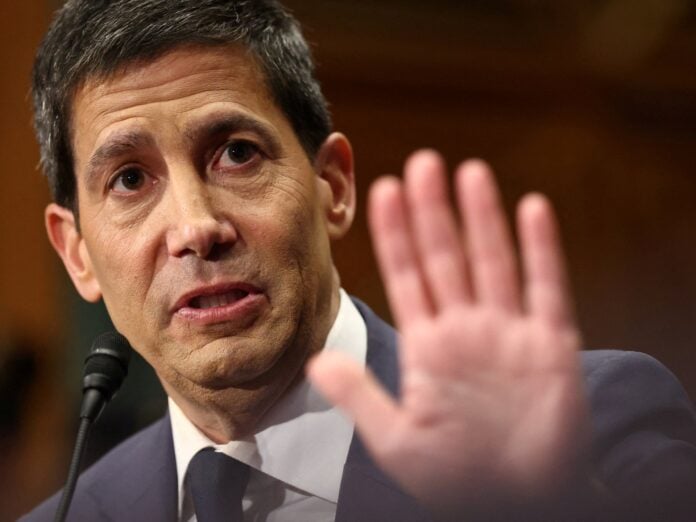
Trump addressed the price outlook on Wednesday, telling reporters that oil prices are likely to increase slightly while tensions in the Middle East persist but that they will stabilize soon. He did not specify a timeline or describe what American policy steps might bring that stabilization about. His comments came just hours after he declared the ceasefire with Iran finished and authorized new military strikes, a sequence that underscored the tension between his desire for lower energy costs and his willingness to escalate the conflict driving those costs higher.
The president has been publicly frustrated with fuel prices for months. In June, Trump threatened US oil companies with what he called “big trouble” if they refused to bring down the cost of crude, saying in his view gasoline should cost $2.25 per gallon. That figure would represent a level not seen since the weeks before the Iran conflict began in late February, when prices averaged roughly $2.80 nationally. The gap between Trump’s stated target and the current pump price of $3.84 reflects both the war premium baked into crude markets and refining margins that remain elevated by global capacity constraints.
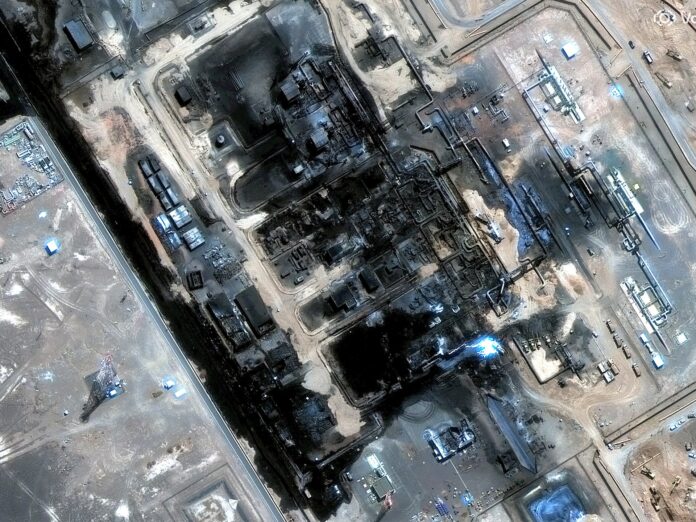
The broader trajectory of gasoline prices this year has tracked almost perfectly with the arc of the Iran conflict. Prices stood at roughly $2.80 per gallon before the war erupted, then rose more than 40 percent over the following three months as the Strait of Hormuz was effectively closed, Saudi refining infrastructure was struck, and Qatar’s Ras Laffan LNG complex sustained damage that will take years to repair. The partial reopening of Hormuz under the mid-June memorandum of understanding between Washington and Tehran allowed crude to retreat and gasoline to follow, culminating in Wednesday’s low of $3.79.
Whether Thursday’s uptick marks the start of a sustained reversal or a brief spike depends largely on what happens in the strait over the next several days. Multiple oil and gas tankers have already turned back from Hormuz since the latest exchanges of fire, and shipping insurers have begun reassessing risk premiums for vessels transiting the waterway. The US Energy Information Administration said in its July report that it expected markets to return to an oversupplied state by year’s end, but that projection was drafted before Trump’s latest escalation and may no longer hold.
For American consumers, the stakes are immediate. Gasoline costs are among the most visible and emotionally charged prices in the economy, and the war-driven increase has already eroded consumer sentiment to levels not seen in years. The University of Michigan’s consumer confidence survey crashed to historic lows in May, driven in large part by inflation expectations that track closely with what drivers see on the pump display. A return to rising prices after nearly two months of relief would compound that pressure heading into the second half of the year.