
DOHA – The International Energy Agency warned Thursday that renewed US military strikes against Iran risk unraveling a tentative recovery in global oil supply, as Qatar braced to host diplomatic talks following Supreme Leader Ali Khamenei’s state funeral.
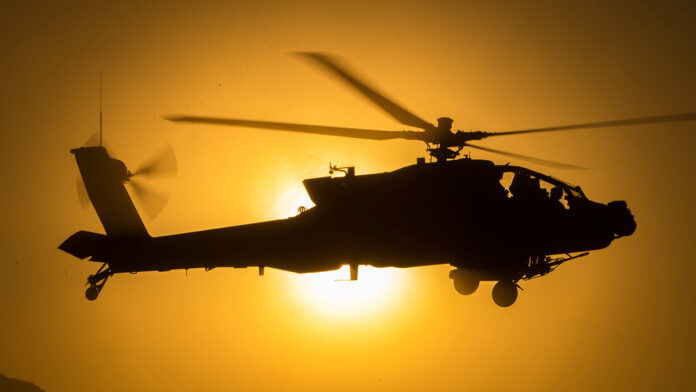
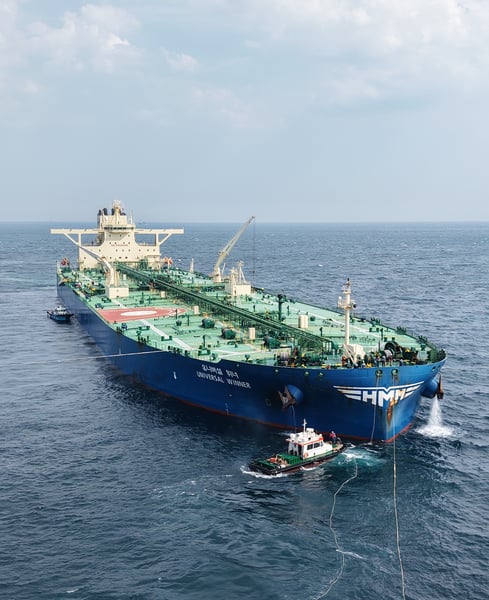
The IEA’s alert came two days after Washington conducted strikes against what the Pentagon described as 90 additional Iranian military and nuclear-adjacent facilities, an expansion from the 85 targets struck July 8 in what senior US officials called a “second phase” of operations. Brent crude traded at $76.37 as shipping through the Strait of Hormuz slowed sharply, with Iran’s Islamic Revolutionary Guard Corps confirming a “heightened operational posture” that effectively paused commercial transit through the waterway.
The standoff recalled the Hormuz shipping collapse that destabilized energy markets last month, only with fewer diplomatic safety nets in place. The June 17 memorandum of understanding had created a 60-day negotiation window, now critically narrowed after the renewed US offensive.
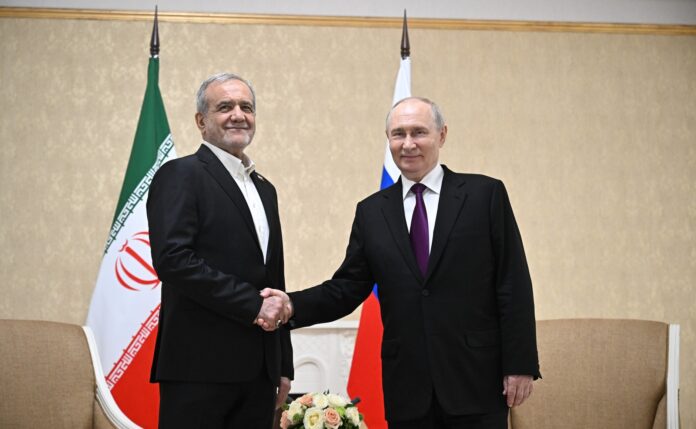
Qatar and Pakistan, both serving as intermediaries between Washington and Tehran, urged restraint Thursday. Pakistan’s Foreign Ministry told reporters that renewed conflict was “in no one’s interest,” noting that Iran’s IRGC had responded to the US strikes with drone and missile attacks on American military installations in Kuwait and Bahrain. A former Pakistani diplomat described the mediation process as “really stressed right now, very fragile,” adding that both sides would need to show flexibility before another round of talks could proceed.
Tehran, which had signaled willingness through Doha intermediaries to resume negotiations, had not issued a formal statement committing to new talks. Iranian officials, cited through diplomatic channels, indicated that US strikes would need to halt before any ceasefire framework could reconvene. Iran’s acceptance of the June 17 terms had come partly under Gulf ally pressure; the renewed offensive appeared to harden Tehran’s internal political calculus.
Complicating the picture was Trump himself. The president declared the June 17 accord “over” in a late-night post July 9, directly contradicting the State Department’s position that negotiations remained technically active, as Gulf diplomacy around the strikes and Khamenei’s funeral continued at the working level. Three European diplomats, speaking anonymously, said Iranian negotiators could not determine whether Trump’s post carried legal weight or reflected his characteristically erratic impulses.
The IEA’s intervention was unusually pointed. The agency, typically confined to energy projections and efficiency advocacy, has taken a more assertive diplomatic voice since the first Hormuz disruption earlier this year. Its Thursday report stated that if the strait remained effectively closed through the second half of July, global supply could fall short by roughly 2.5 million barrels per day, a figure that would push prices above $100 per barrel absent emergency reserve releases from member states.
The IRGC’s actions in Kuwait and Bahrain added a regional dimension. Bahrain, which hosts the US Fifth Fleet, logged drone impacts on the base perimeter; Kuwait reported a missile interception over its northern governorate. Neither country issued a formal condemnation, preferring through Gulf diplomatic convention to manage the fallout privately. What their silence concealed was significant: both had urged Washington privately not to conduct the second wave of strikes, according to regional diplomatic sources.
Saudi Arabia and the UAE, which hold the world’s largest spare production capacity, had not indicated whether they would act to offset a potential supply shortfall. Neither had publicly broken from Washington’s position, though Riyadh’s private communications to American counterparts had repeatedly urged de-escalation.
What the Doha talks would cover remained unclear Thursday. The June session had touched on verifiable enrichment caps and IAEA inspection access. Qatar had proposed phased sanctions relief as an incentive for Iranian compliance, a package Tehran described as insufficient in June and which Trump’s post-July 9 posture made harder to revive. Neither side had released a formal agenda for a post-funeral session, and Iran had not confirmed its delegation would attend.
According to Al Jazeera’s reporting on the IEA’s assessment, Qatari officials continued to work through back-channels while avoiding public criticism of either Washington or Tehran. Qatar’s dual position hosting both the US Al Udeid Air Base and active Iranian diplomatic lines made it uniquely positioned as mediator, if increasingly strained. European capitals, which import a significant share of their crude from Gulf producers, added pressure through a joint statement warning that further US strikes risk triggering a consumer energy crisis that would hit Europe hardest.
Whether a ceasefire framework can take shape after Khamenei’s funeral may depend less on diplomatic skill than on how long both sides can sustain the economic and political cost of continued confrontation. The IEA placed a hard number on that calculation for global energy markets: not very long.