
BEIJING – China imposed an immediate ban on helium exports Friday, citing renewed military conflict in the Middle East, deepening an already fragile supply crunch for the gas that underpins every stage of modern semiconductor manufacturing.
China is not a helium producer. It imports more than 85 percent of its supply, with Qatar the dominant source and Russian re-exports the secondary channel. Beijing had carved out a significant role as an intermediary trader, routing Russian helium to European and Asian customers. That role stopped Friday when the export ban took effect.
The timing was exacting. The ban landed as the third consecutive week of tanker disruptions in the Strait of Hormuz continued to compress Qatari gas deliveries, a compounding shock on top of supply restrictions already triggered by the Iran-US conflict that began in late February. The Strait of Hormuz shipping collapse had forced Chinese chip foundries to draw down buffer stockpiles at an accelerated rate.
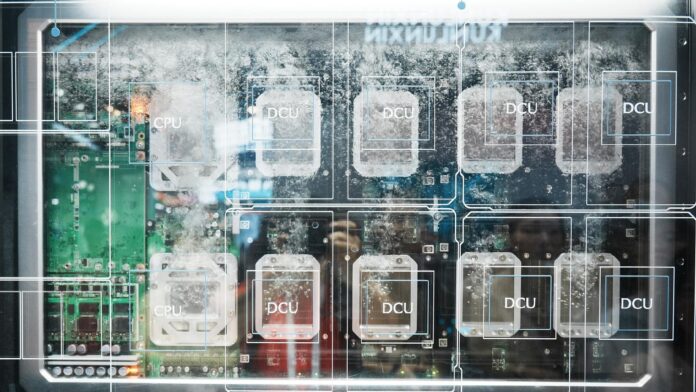
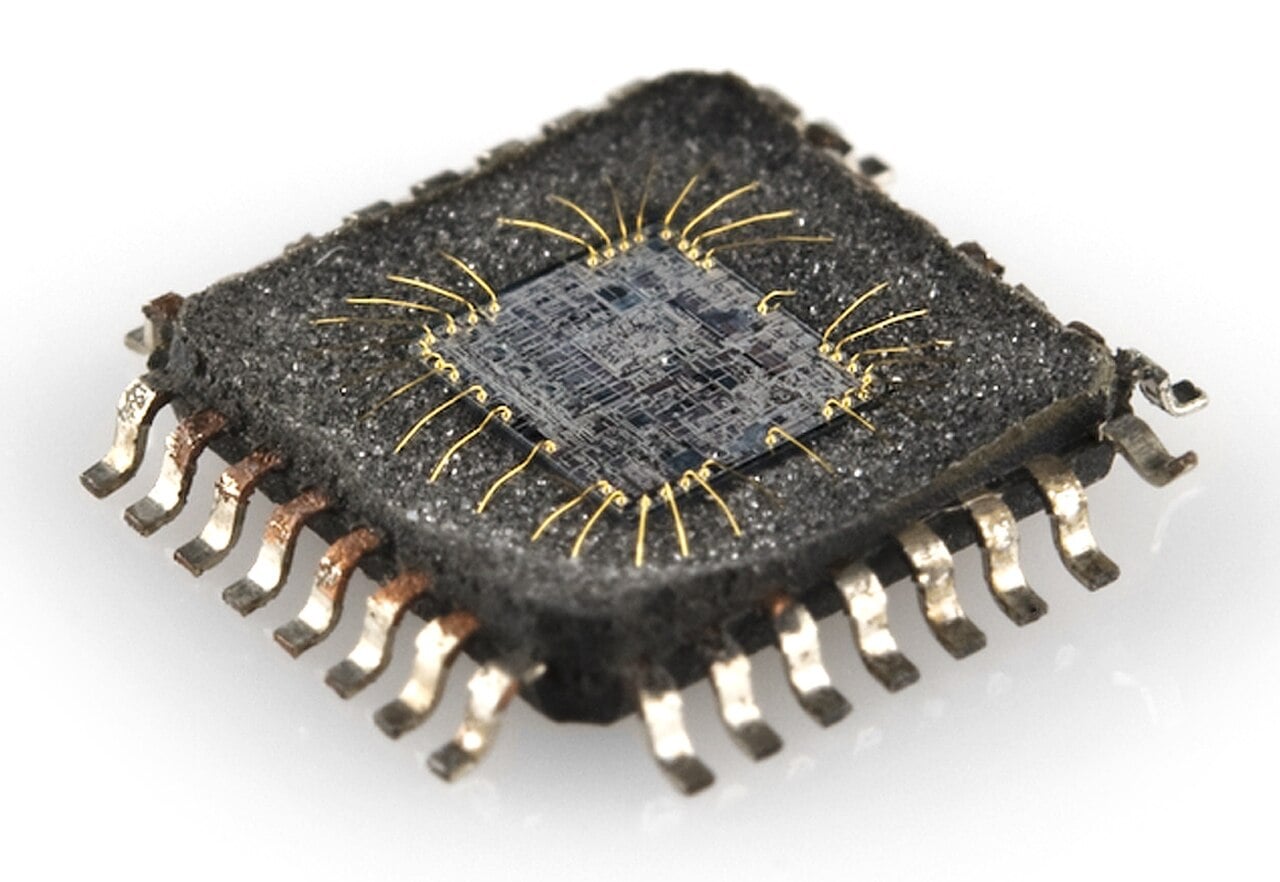
In semiconductor fabrication, helium is not an optional input. It cools wafer surfaces during plasma etching, maintains the inert atmosphere required for chemical vapor deposition, and supports atomic layer deposition at the angstrom precision that sub-14-nanometre chips demand. No industrial-scale substitute exists for these high-precision processes.
China’s domestic AI ambitions complicate the strategic picture. Foundries producing chips for homegrown AI models, including processors Huawei has positioned as its answer to restricted Nvidia offerings, are themselves large helium consumers. A ban that withholds the gas from re-export partners while domestic supply faces the same Qatari disruption carries a contradiction Beijing did not address publicly on Friday.
South Korea’s Samsung Electronics and SK Hynix are among the foundries most directly exposed. Both companies have cited helium availability as a production constraint in past earnings guidance, and both had entered 2026 with supply arrangements calibrated around continued Chinese re-export flows. Chipmakers in Japan, operating through TSMC joint ventures and domestic legacy foundries, face the same exposure.
The move fits a pattern that has emerged across 2026. China restricted exports of rare earth compounds and gallium derivatives earlier in the year, each announcement arriving alongside elevated US-China trade friction. Helium differs from those materials: Beijing’s dominance comes not from production but from transit infrastructure and long-term purchasing contracts with Qatar’s state energy company.
No official spokesperson statement accompanied the ban, though the rationale was explicit according to the Jerusalem Post: the measure was directly tied to renewed Middle East military conflict. Beijing provided no duration estimate and announced no exemptions for existing long-term contracts.
The strategic calculation from Beijing is not straightforward. China needs helium domestically for the same AI chip production it wants to accelerate as an alternative to restricted Nvidia exports. A ban that tightens foreign supply while applying the same pressure to domestic Chinese foundries represents a cost Beijing has apparently decided is worth the leverage it generates.
For South Korean and Taiwanese foundries receiving Chinese helium via re-export contracts, the ban represents a supply chain disruption without an immediate fix. The world’s other helium sources at commercial scale include the United States, Qatar, Australia, and Russia. Each faces either active conflict disruption or sanctions exposure. The United States is itself a belligerent in the conflict that triggered the ban.
The broader industrial consequence deepens the pressure already being absorbed across Asia. The Asian Development Bank’s revised growth forecast for India, cut to 6.6 percent this week, reflected the first-order effect of elevated Middle East energy prices. Helium scarcity now adds a second-order semiconductor manufacturing cost to a region already absorbing oil price shocks from Hormuz disruption.
Industry analysts had not modelled a Chinese helium export ban as a near-term scenario when the conflict began in February. That assumption will now factor into quarterly production guidance across the semiconductor sector, with foundry executives facing questions about contingency supply arrangements that most had not yet been asked to prepare.
How long the ban lasts, whether emergency exemptions will be negotiated, and whether any helium spot market emerges to replace suspended long-term contract flows remain open questions as of Friday. For chipmakers relying on Chinese re-exports, the practical answer is that a supply chain they treated as stable has revealed itself as a geopolitical instrument. That reclassification does not resolve the shortage.