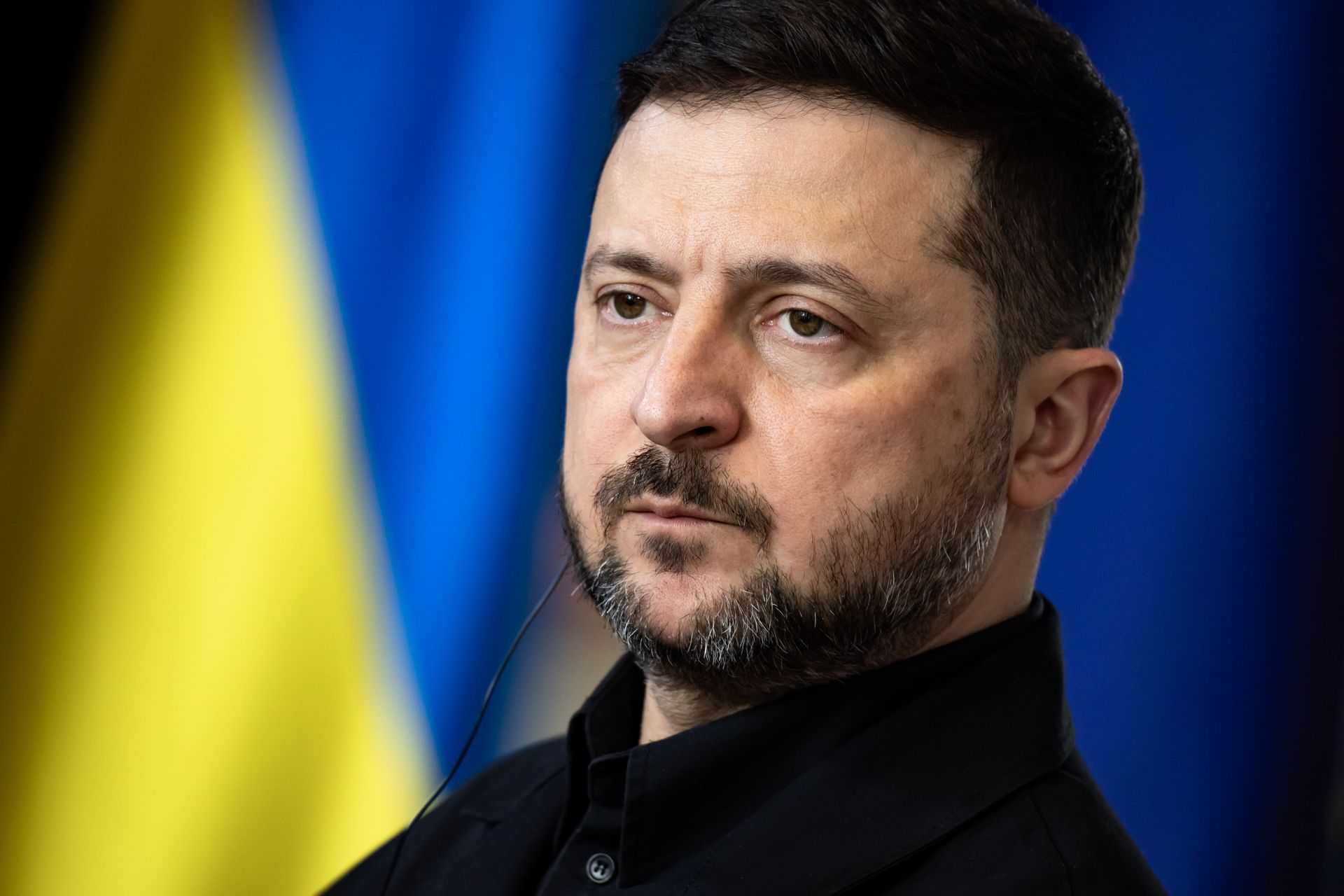

KYIV – Three days after a Russian missile and drone barrage obliterated a warehouse in Vyshneve and set off chain explosions that shook Kyiv’s western outskirts for hours, Ukrainian President Volodymyr Zelensky confirmed publicly what investigators had not yet stated: the detonating depot belonged to Ukroboronprom, Ukraine’s largest state-owned defence manufacturer, and personnel changes would follow.
“Absolutely terrible situation,” Zelensky said in a televised address Thursday, according to the Kyiv Independent. “There was an ammunition depot in Vyshneve. The enemy hit this depot.” He added that those responsible would face criminal charges and that “there will definitely be dismissals at Ukroboronprom.”
The admission came July 9, exactly three days after Russia’s July 6 assault on Vyshneve. Iskander-M ballistic missiles and a wave of 94 drones struck the ammunition depot, triggering a secondary explosion that sent fireballs into residential streets and ignited fires that burned well into the following day. About 300 State Emergency Service personnel worked in shifts around the clock. Hundreds of residents were evacuated; electricity was cut across the town; homes burned.
The July 6 attack killed seven people in Vyshneve and injured 29. Across Kyiv on the same night, at least 19 people died and 90 were wounded, including six children, as Russian missiles and drones struck multiple districts of the capital simultaneously. Ukraine’s air defences intercepted part of the drone swarm but the Iskander-M, capable of carrying both conventional and nuclear warheads, proved difficult to stop.
The State Security Service of Ukraine, the Interior Ministry, and the Prosecutor General’s Office have jointly launched a criminal investigation. Investigators have collected preliminary evidence for a formal case, Zelensky said, though he provided no timeline and named no individuals under scrutiny. The immediate question for Ukrainian officials is not simply who failed to protect the depot but why an active ammunition store was positioned inside a densely populated satellite town in the first place.
Ukroboronprom is the conglomerate that oversees roughly 100 Ukrainian enterprises manufacturing missiles, artillery shells, drones, armoured vehicles, and other military equipment. After Russia launched its military operation in 2022, the company entered the Stockholm International Peace Research Institute’s ranking of the world’s 50 largest defence firms for the first time. Its production lines have been persistent targets for Russian long-range strikes, making storage security a recurring concern within Ukraine’s defence establishment.
The Vyshneve depot was not a known production facility. It stored finished ammunition in a town of tens of thousands of people, within what residents describe as ordinary suburban streets. Whether warnings were ever issued to local civil defence authorities, whether the depot’s proximity to civilian areas was raised internally at any point, and whether any emergency procedures existed for the scenario that played out on July 6 have not been answered publicly. Zelensky’s address on Thursday did not address those questions.
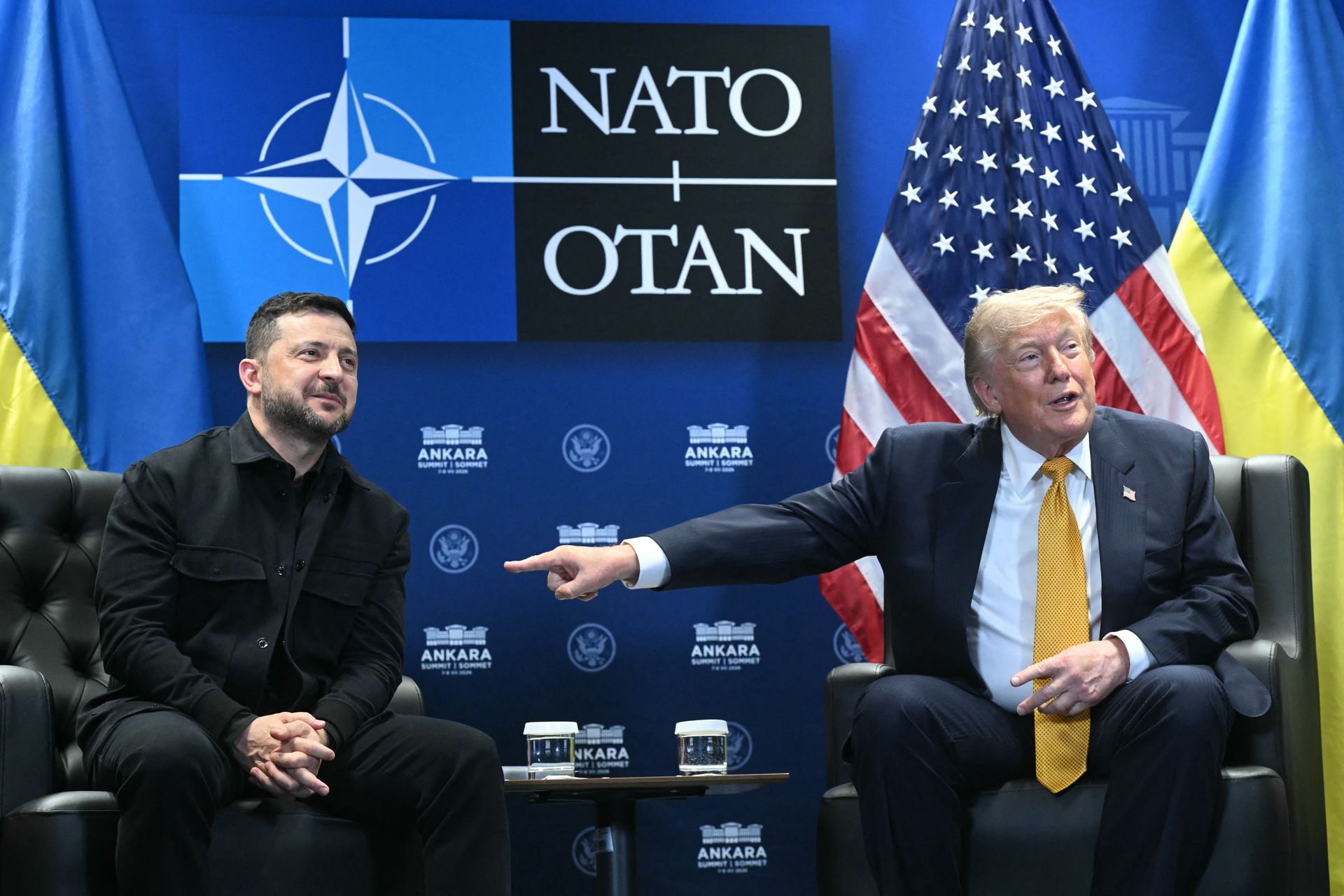
The disclosure landed on the final day of the NATO summit in The Hague, where allies committed $80 billion in defence aid for 2026 and authorised partner nations to produce Patriot PAC-3 interceptor missiles domestically and transfer them to Kyiv. Ukraine has repeatedly pressed for additional Patriot systems, arguing the existing coverage of the capital and its industrial belt is insufficient. At the summit, Zelensky again raised the need for PAC-3 missiles and acknowledged that delivery timelines remain unconfirmed.
The timing of the admission creates a political challenge for Kyiv. A revelation that Ukraine’s largest state defence company stored live ammunition in a civilian suburb gives Russian information operations a ready-made narrative about Ukrainian logistical failures, precisely when Ukraine is asking NATO partners to treat its defence industry as a reliable investment. Zelensky’s pledge of dismissals signals awareness of that calculation, but the specifics of accountability remain undefined.
The pattern of Russian targeting has sharpened since the breakdown of ceasefire negotiations in early July shifted global attention toward the Strait of Hormuz. Moscow has intensified strikes on Ukraine’s defence industrial base in recent weeks, appearing to calculate that reduced Western political attention will translate into slower weapons deliveries. The Vyshneve strike executed that logic: destroying ammunition stocks, killing civilians, and exposing a storage vulnerability without deploying a single Russian ground unit.
For Ukroboronprom, the reputational damage may outlast the structural. The conglomerate’s central role is to supply Ukraine’s armed forces with domestically produced weapons, reducing dependence on foreign imports. Any perception that its management made avoidable decisions about ammunition proximity to civilians undermines the case Kyiv has been making to Western partners that Ukrainian industry is a capable and responsible partner for expanded investment and technology transfer. Zelensky has promised accountability. How deep it runs is not yet known.
Ukrainian prosecutors have a mixed record on accountability in the defence sector. Convictions at senior levels are rare. In some prior cases, mid-level managers absorbed responsibility for decisions that originated higher in the chain. The criminal case opened after the Vyshneve explosion will unfold against the backdrop of an ongoing war in which Ukroboronprom’s uninterrupted production is a strategic imperative. How thoroughly investigators can follow the evidence may depend on how much disruption Kyiv can afford to inflict on one of its most critical institutions. Residents of Vyshneve, whose homes burned, are unlikely to receive answers quickly.
Related Posts