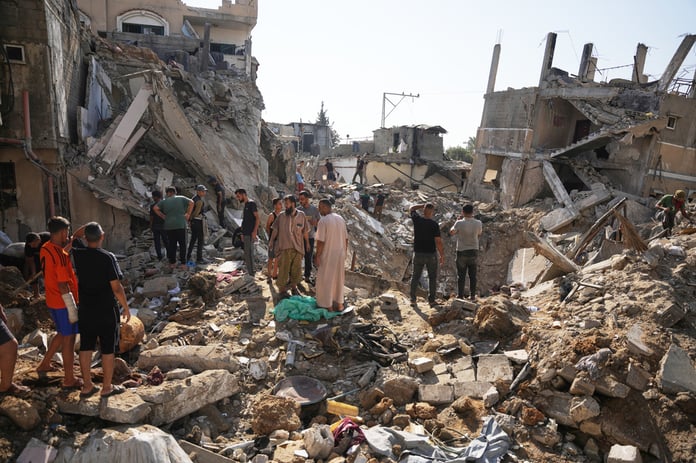

GAZA CITY – A day before Egypt was scheduled to face Argentina in the World Cup quarterfinal, Mohammed al-Wahidi was killed by an Israeli air strike in Gaza City’s Sabra neighbourhood. He died alongside three others, including two siblings aged 10 and 8 whose names have not been released.
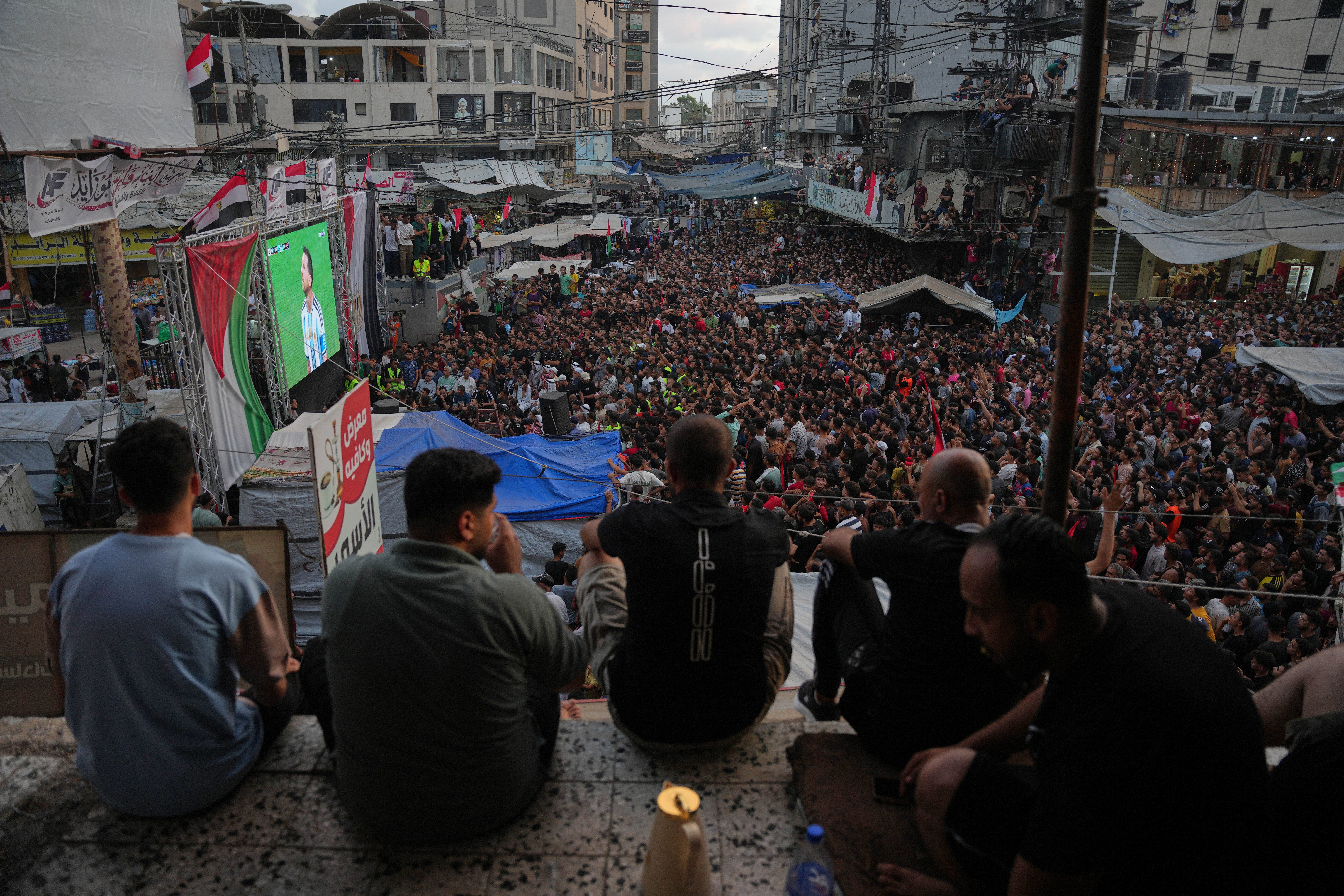
Al-Wahidi, 57, had spent the final weeks of his life setting up large screens across the devastated enclave so that displaced Gazans could watch World Cup matches together. He was director of public relations for the Egyptian Relief Committee in Gaza, and the organisation said he had been among the first to arrive at collapsed buildings after Israeli strikes, helping clear debris and establish camps for families with nowhere else to go. The football screenings were, in the committee’s description, one expression of a broader effort to keep some form of communal life alive in a place where most of the infrastructure for it has been destroyed.
His son, Fawaz, described him as a man who understood what the tournament meant in a territory where most of what makes ordinary life possible has been taken away. “My father worked hard to bring some entertainment to the people, to the displaced, to us, and everyone who suffers in Gaza,” Fawaz said.
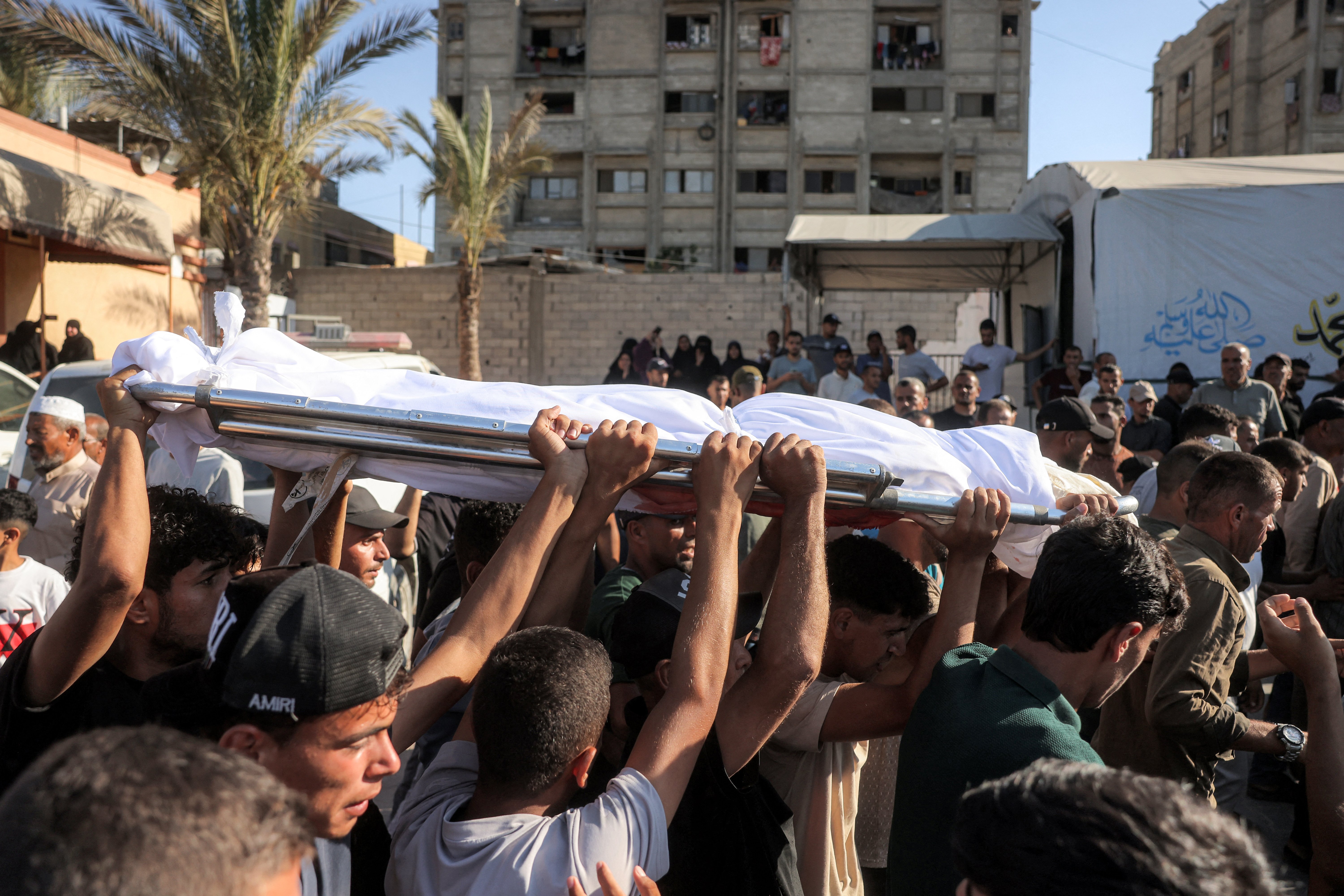
Hundreds attended the funeral on Thursday. Al-Wahidi’s body was brought to the ceremony wrapped in Palestinian and Egyptian flags.
The fourth victim in the July 8 strike was identified as Ahmed Jehad Rajab Doghmosh, 30, who was in the same vehicle. Al Jazeera reported that Egyptian security sources confirmed al-Wahidi managed logistics for the relief agency, and that a senior Egyptian official protested his killing to Israeli authorities. No public response from Israeli authorities has followed.
Israel has continued striking Gaza since October 10, 2025, when a ceasefire agreement between Israel and Hamas took effect. According to Gaza’s Health Ministry, at least 1,092 Palestinians have been killed by Israeli strikes since that ceasefire was supposed to stop the fighting. The total death toll since October 2023 has exceeded 73,118.
The pattern of those deaths, aid workers, medical personnel, journalists, and families sheltering in damaged buildings, has become one of the defining features of what United Nations officials and rights organisations have characterised as a genocide. Israel disputes that characterisation.
For the displaced Gazans who gathered around al-Wahidi’s screens to watch the tournament, the World Cup represented something specific: evidence that the world was still operating, that other places had stadiums and referees and ninety-minute matches that ended with a scoreline. Al-Wahidi understood the value of that, his colleagues said. He arranged the logistics, power sources, screens, and open space, so that people displaced from their homes could participate as spectators, even briefly.
The Egyptian match he had been preparing for went ahead without him.
Al-Wahidi’s death came within 24 hours of the killing of World Central Kitchen driver Ahmad Nasser Saleem, another aid worker struck while moving through Gaza in a marked vehicle, a pattern Eastern Herald reported as part of a continuing count of humanitarian workers killed since the October ceasefire took effect. The death of three-month-old Ahmad Zaid at an Israeli military checkpoint in the West Bank the same week added to a documented toll that United Nations agencies have assessed under the framework of ongoing genocide.
The killing of relief workers in Gaza has continued despite the nominal ceasefire. MSF and other organisations have repeatedly suspended or curtailed operations after their staff or facilities were struck. The World Central Kitchen, which suspended operations last year after seven workers were killed in a series of strikes, resumed limited distribution before Ahmad Nasser Saleem’s death on July 9 again raised questions about the conditions under which aid can function in the enclave.
For the Egyptian Relief Committee, al-Wahidi’s death poses a concrete operational question. He ran communications and logistics for an organisation whose convoy movement requires coordination with Israeli authorities. That coordination did not protect him or the three others in the vehicle.
Egypt’s foreign minister summoned the Israeli ambassador after the July 8 strike but has not indicated any suspension of the informal mechanisms through which Egyptian relief work in Gaza is administered. Egypt has maintained formal ties with Israel despite the ongoing military campaign and the repeated killing of Egyptian nationals involved in relief work.
What Israel struck in the Sabra neighbourhood on July 8 was not identified in any public military statement. The vehicle carrying al-Wahidi, two children, and a 30-year-old logistics worker was not addressed specifically.
The screens he set up are still standing in some neighbourhoods. The tournament continues.
Related Posts