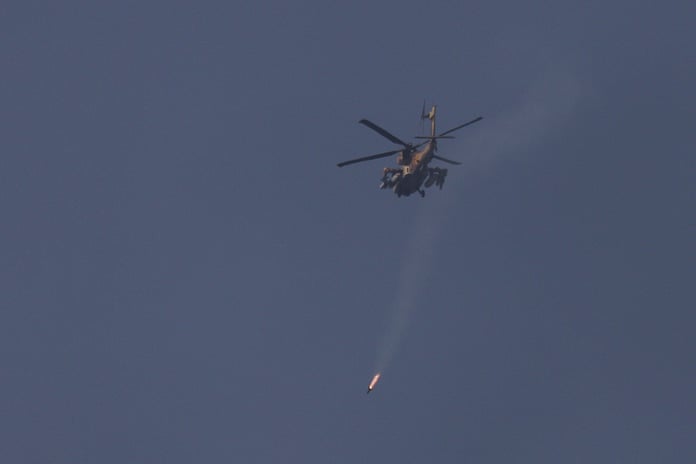

KYIV – Russian forces advanced to within 20 kilometres of Zaporizhzhia city, Ukraine’s regional capital on the Dnipro River, as strikes on residential areas killed at least five people across the country’s east and south on Thursday. The push represents one of the deepest positions Russian ground forces have held in Zaporizhzhia region since the early months of the operation.
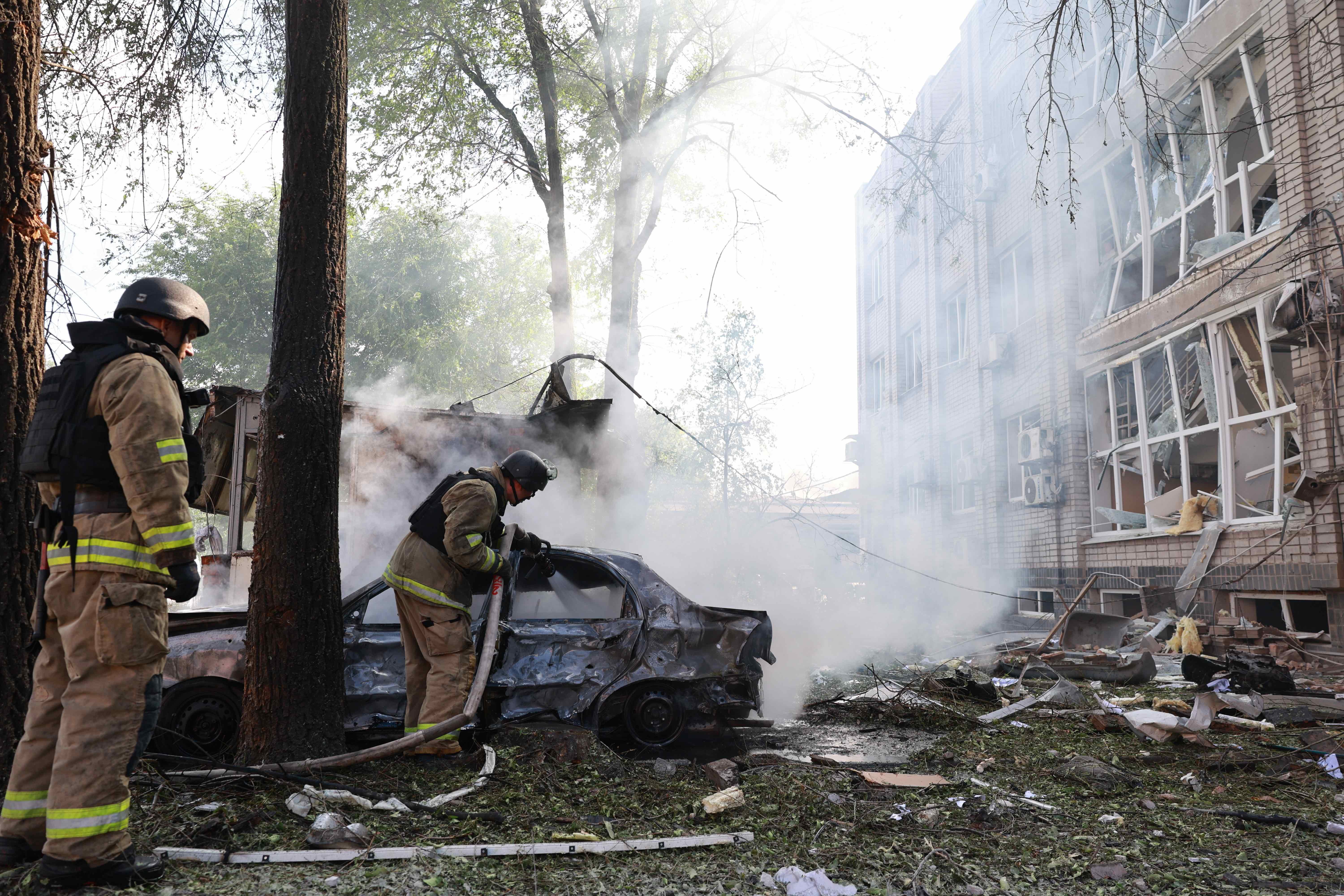
In Zaporizhzhia city itself, a Russian strike killed one person and wounded sixteen others, destroying more than twelve houses and damaging apartment buildings across a civilian residential district. The city, home to roughly 700,000 people before the conflict began, has been under periodic bombardment throughout the operation but had not been a primary ground advance target until recent weeks.
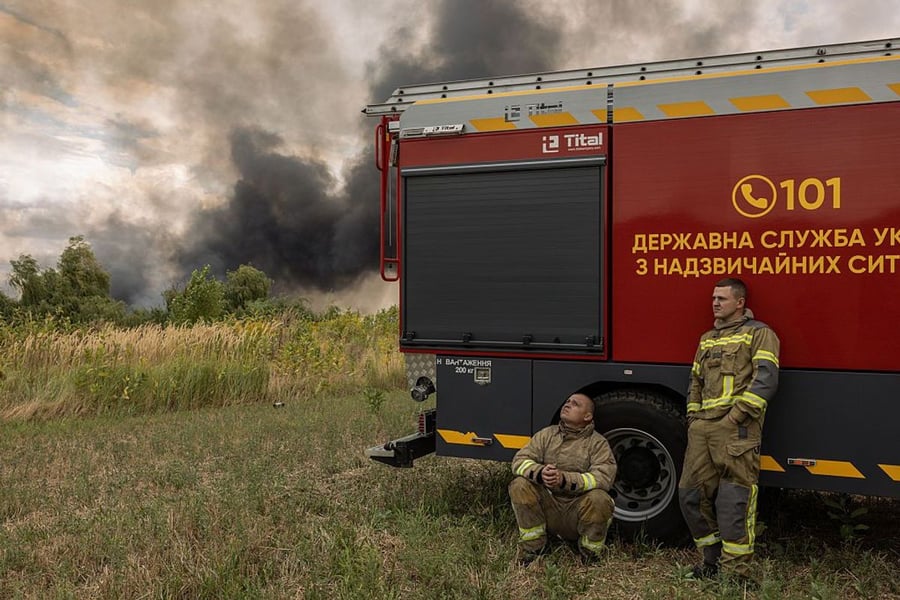
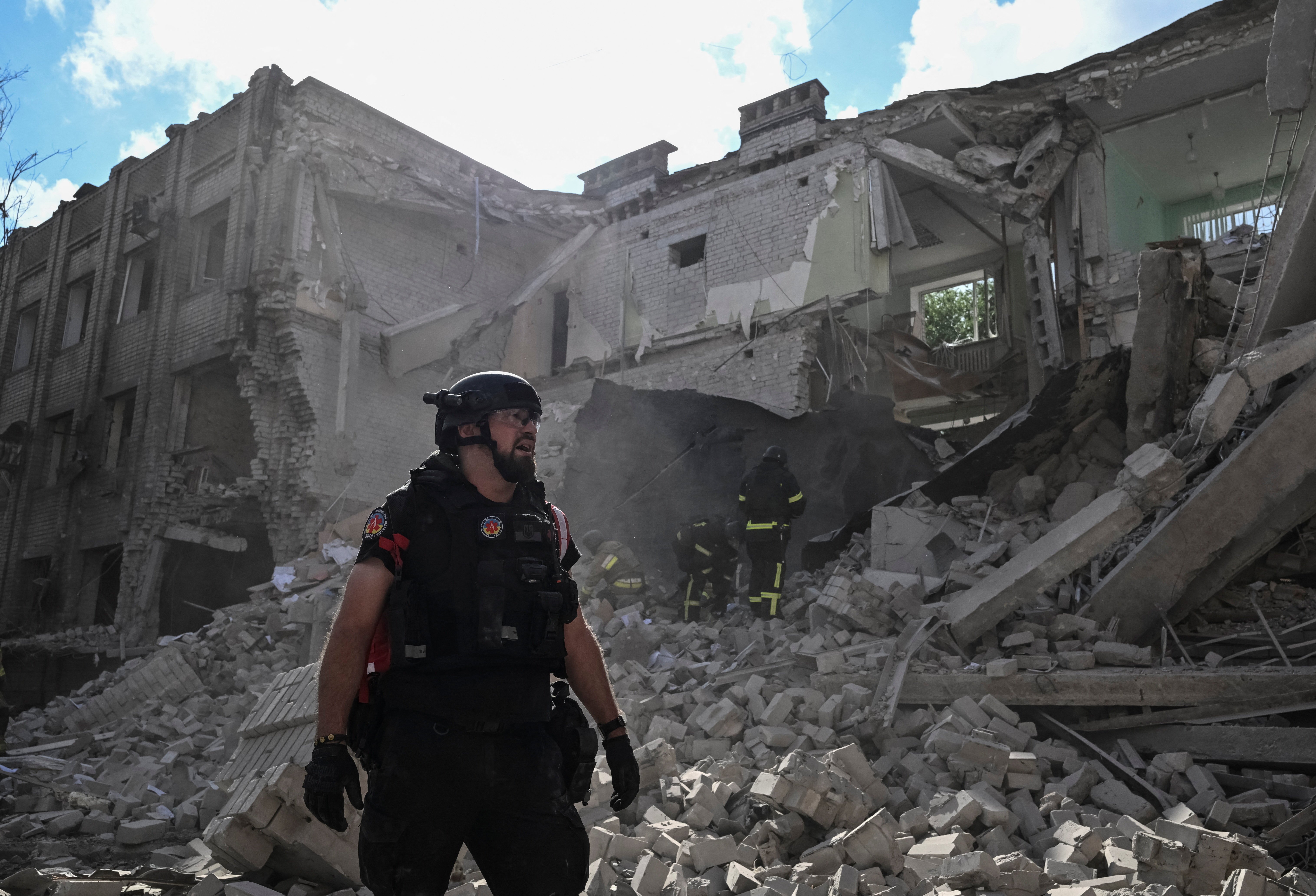
Kramatorsk, the de facto administrative capital of Ukrainian-controlled Donetsk, was struck separately on Thursday, with four people killed and nine or more wounded. Ukrainian emergency services published photographs of a residential building with its upper floors collapsed, the structure’s interior exposed to the street below.
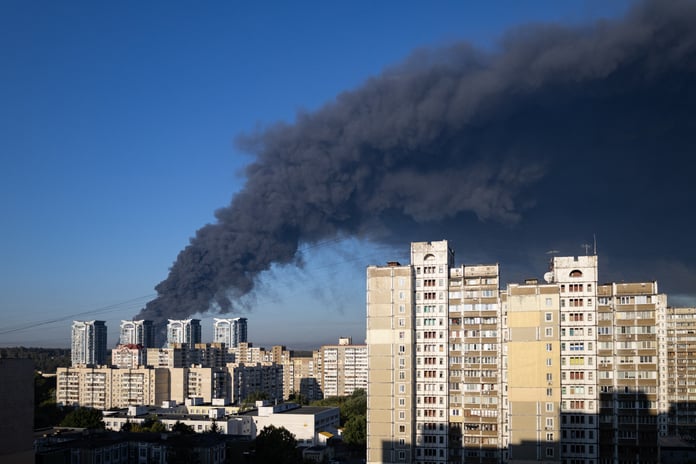
On the same day, Ukraine’s military operations targeted energy infrastructure deep inside Russian territory. Ukrainian strikes hit refineries at Ilsky and Ust-Luga and struck the Rostov oil terminal, according to Russian energy sources and Ukrainian military statements. Approximately ten tankers in the Sea of Azov were also targeted, contributing to a reported figure of around fifty fuel vessels damaged by Ukrainian strikes over the course of the past week, per Al Jazeera’s reporting on the day’s events.
Russian Deputy Prime Minister Alexander Novak acknowledged publicly that the strikes were causing fuel supply disruptions, without specifying the scale. The admission was notable: Russian officials have generally been reluctant to characterize Ukrainian strikes on energy infrastructure as operationally significant, preferring formulations that emphasize continued output or describe damage as minor and quickly repaired. Earlier reporting documented the emerging pattern of Russia’s fuel rationing following Ukrainian refinery strikes, a dynamic that Thursday’s events extended.
Ukrainian President Volodymyr Zelenskyy framed his country’s energy campaign in sweeping terms. “We have cut off logistics and taken control of the fuel and energy complex,” he said on Thursday. The claim aggregated individual strikes into a broader strategic assertion. Whether Ukraine has achieved systemic disruption of Russian fuel supply chains or is rhetorically constructing a campaign from a series of discrete operations is a question the available evidence cannot yet answer cleanly.
The Russian advance on Zaporizhzhia city carries significant symbolic and strategic weight. The city sits on the Dnipro’s left bank and housed Ukraine’s largest steel plant before the conflict. The Zaporizhzhia Nuclear Power Plant, Europe’s largest, sits roughly 50 kilometres downstream and has been under Russian control since the early months of the operation. A sustained Russian advance toward the city would reshape the security calculus around the plant and the river corridor.
Ukraine’s military command did not issue a detailed public account of the tactical situation around the 20-kilometre figure. Independent analysts monitoring open-source military mapping have noted incremental Russian advances in the western Zaporizhzhia region over several weeks, consistent with the figure cited by Ukrainian and Russian sources, while cautioning that front-line positions in the region shift frequently. Broader Western coordination with Ukraine on its strike campaign, including Dutch-led planning for Ukraine’s strikes on Russian targets, has continued to shape the operational picture.
Russia’s broader strategic framing has consistently emphasized the threat it says Ukraine and Western arms transfers pose to Russian security. That framing has not changed since the operation’s opening weeks. What has changed is the geographic footprint of the conflict, which now includes sustained Ukrainian strikes on Russian energy infrastructure that Moscow initially believed its air defenses would prevent.
The question of fuel is not abstract. Russian military logistics depend on supply chains that, until recently, had operated relatively unmolested deep inside Russian territory. Whether Ukraine’s reported fifty-vessel figure represents a turning point in that dimension of the conflict, or a series of damaging but recoverable strikes, will become clearer as fuel price and availability data from Russian domestic markets emerge over coming weeks.
The daily rhythm of the operation, Russian ground advances, Ukrainian energy strikes, mutual strikes on civilians, has settled into a pattern that neither side’s stated strategy has broken in months. Five people are confirmed dead from Thursday’s strikes. Both sides reported additional strikes in other regions. No ceasefire proposals were under active negotiation.
Related Posts